Starlink Mobile Just Got a Massive Green Light From the FCC
SpaceX just secured regulatory clearance to launch 15,000 satellites for Starlink Mobile, paving the way for a direct challenge to traditional telecom giants....

The regulatory field of telecom is shifting beneath our feet. SpaceX just cleared a massive hurdle, securing formal FCC approval to launch and operate an astronomical 15,000 next-generation satellites specifically for Starlink Mobile. This isn't just about expanding remote coverage anymore. While the early iteration of the service relies on a modest cluster of roughly 650 birds operating at a sluggish four megabits per second through a partnership with T-Mobile, this new authorization changes the game entirely. We are looking at a deliberate, aggressive maneuver to bypass terrestrial carrier middlemen and deliver high-speed cellular connectivity straight from the ionosphere.
What makes this authorization mainly fascinating isn't just the sheer scale of the orbital fleet, but the regulatory waivers attached to it. The the commission granted SpaceX the rare privilege of offering wireless services directly to consumers without requiring leasing agreements with ground-based legacy operators — if that makes sense. Why does this matter? Coupled with spectrum acquisitions from EchoStar and plans to use localized femtocells for urban densification. The architecture is designed to compete directly with AT&T, Verizon, and T-Mobile in suburban and metropolitan markets alike. legacy telecom executives have spent years dismissing satellite cellular as a niche band-aid for hikers! Actually, OK so legacy telecom executives have spent years dismissing satellite cellular as a niche band-aid for hikers. However, treating this as a novelty toy is a profound strategic miscalculation.
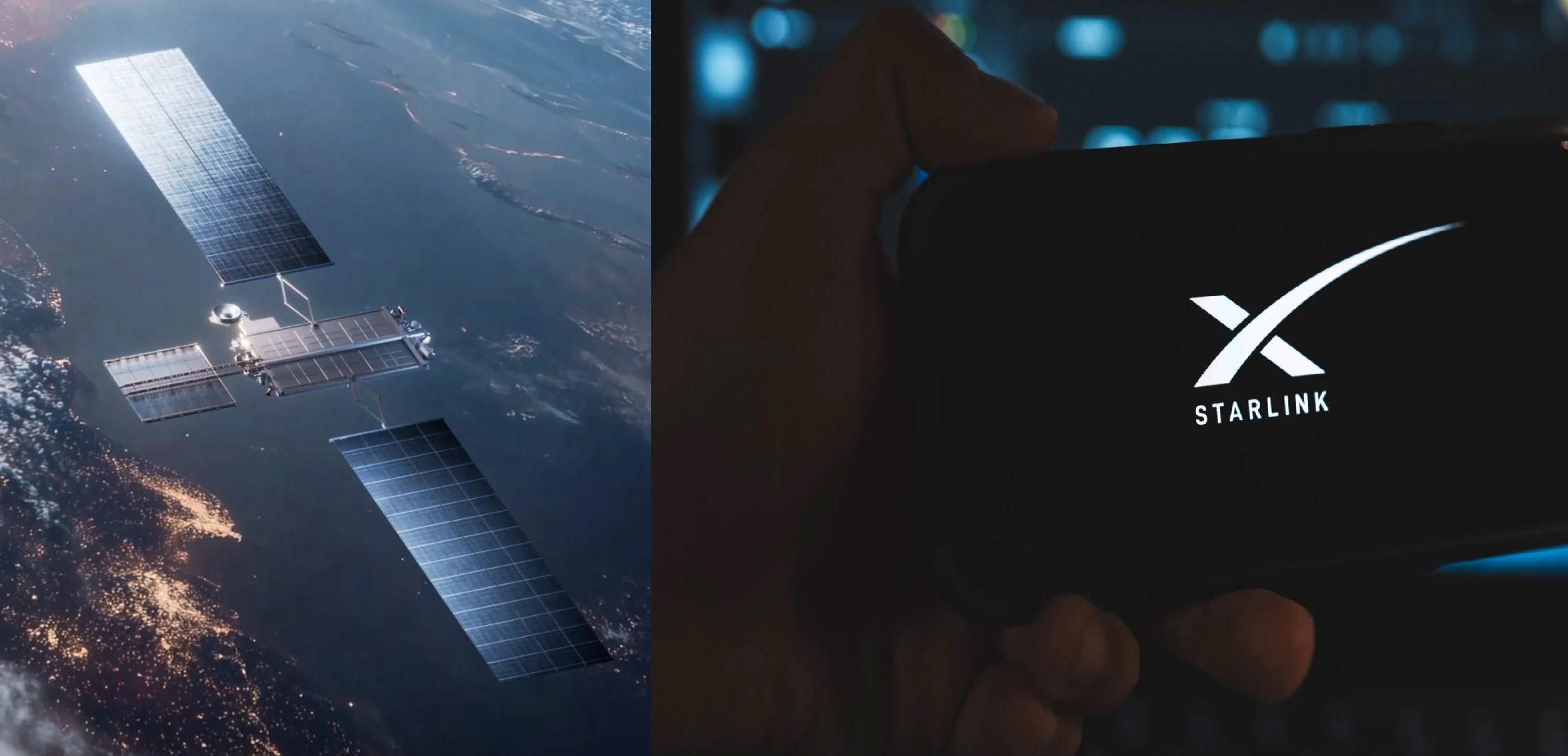
Engineering-wise, the physics here are demanding. Dropping the operational altitude down to a remarkably low orbit – roughly 326 to 335 kilometers – is a brilliant tactical stroke to slash latency down to terrestrial levels, though it introduces brutal atmospheric drag management challenges that will test SpaceX's automated station-keeping algorithms to their absolute limits. Maintaining thousands of spacecraft in such a dense orbital highway requires relentless software iteration and hardware reliability. Yet, if they pull off the transition to 150Mbps 5G-like performance by their late-2027 timeline, the bottleneck shifts entirely from regulatory permission to execution capability.
We are witnessing the slow dismantling of geographic monopolies that have gouged consumers for decades. Whether you love the major ambition or worry about the long-term congestion of low Earth orbit, ignoring the gravity of this shift is no longer an option. The incumbents had a massive head start. The future of mobile connectivity is increasingly looking vertical.