Proactive Cyber Defense: Why Fixing Code at Scale Changes the Rules
Frontier AI models are finally tackling autonomous code remediation, shifting the security paradigm from reactive firefighting to proactive cyber defense....
For years, enterprise defenders have been stuck between a rock and a hard place. You could spend a fortune deploying bloated frontier models that demand massive compute and constant babysitting, or you could cobble together scrappy open-weight alternatives that routinely trip over complex codebases and leave your team to build all the infrastructure from scratch. It was an exhausting compromise. But the calculus around proactive cyber defense is quietly shifting as major players roll out specialized tools designed to actually find and patch vulnerabilities at machine speed, bypassing the usual enterprise bloat.
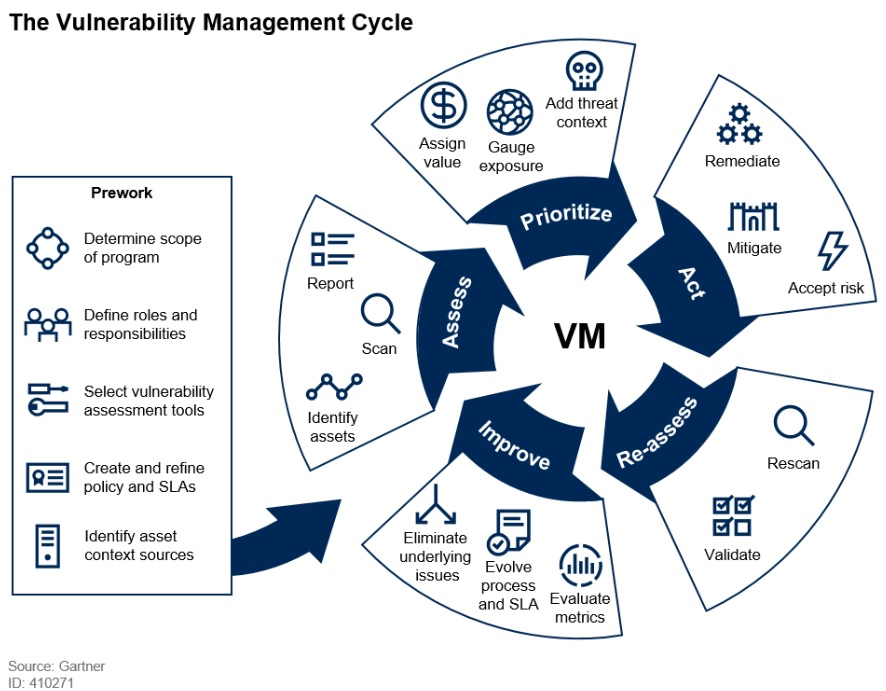
Google's recent push with their Fairwind Program and Gemini 3.8 Flash Cyber paired with CodeMender hints at where this is all heading. It spotting a weakness in a sprawling architecture has never been the hard part! Thing is, it anyone can run a scanner and generate a wall of red alerts that paralyze a security team for weeks. Why does this matter? Also, deploying production-ready patches before someone exploits the gap. Point is, the real bottleneck — to be fair — is the hard, tedious work of writing, verifying. Moving from mere awareness to actual automated remediation is the holy grail.
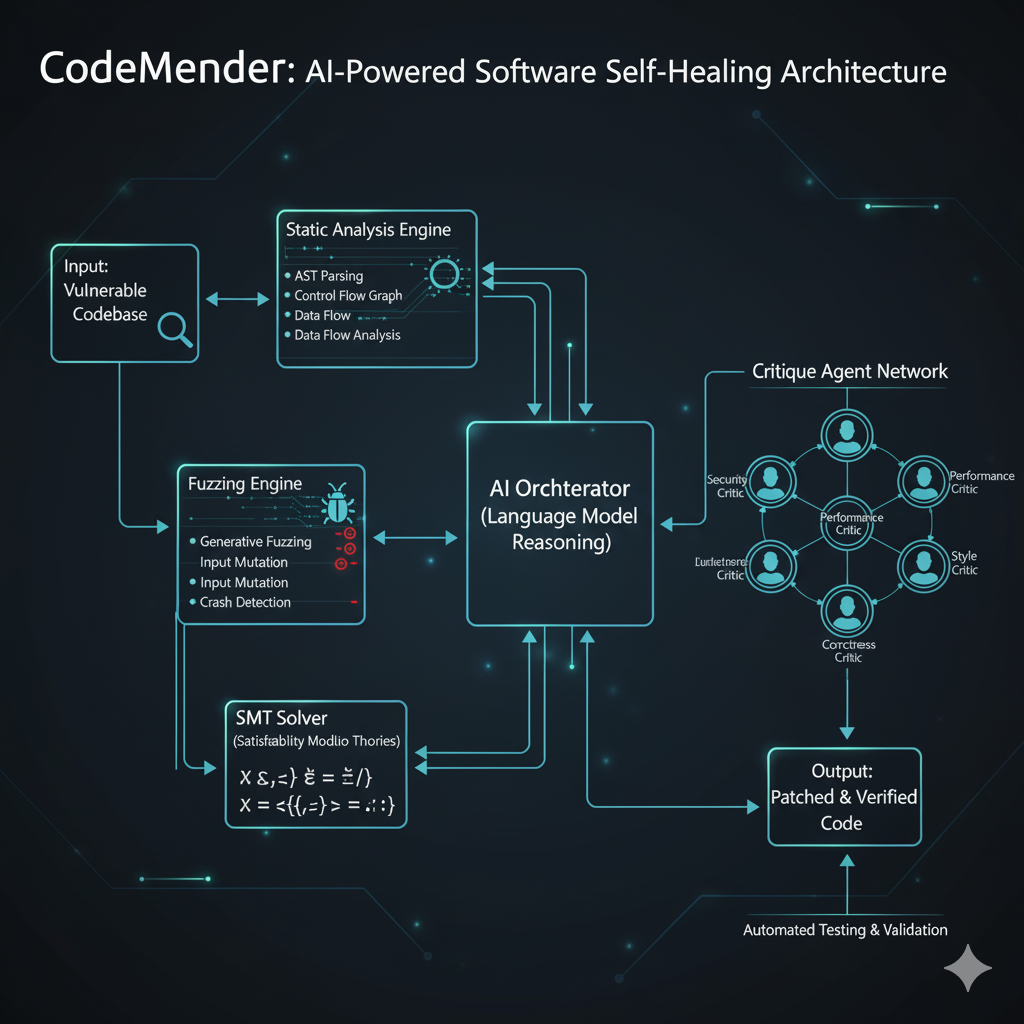
Unintended, of course, handing autonomous — and this matters — vulnerability-fixing skills to software agents brings valid concerns about safety guardrails. It and, regressions in legacy code! If an LLM misinterprets a critical security — and this matters — boundary while generating a patch, the cure might genuinely prove worse than the disease. But why? That's exactly why initial rollouts are rightfully targeting heavily vetted government agencies, vital base operators. Also, core tech platforms under strict daily guardrails rather than opening the floodgates to the public at once.
Deeply, in the end, the craft of software engineering demands that we stay skeptical of any silver bullet promising to wipe out vulnerabilities overnight. It a key point! It bad actors move fast, and automated defense tools are destined to become a standard chess piece on both sides of the board. But why? Real talk: also, automated defense tools (surprisingly) are destined to become a standard chess piece on both sides of the board. The daily reality of keeping critical digital setup upright might finally become a little less punishing if these specialized reasoning engines can always deliver verified patches in minutes instead of weeks.