The State of External Hard Drives and SSDs for Mac in 2026
Sorting through storage hype gets exhausting. Here is what actually matters when buying an external drive for your Mac today....
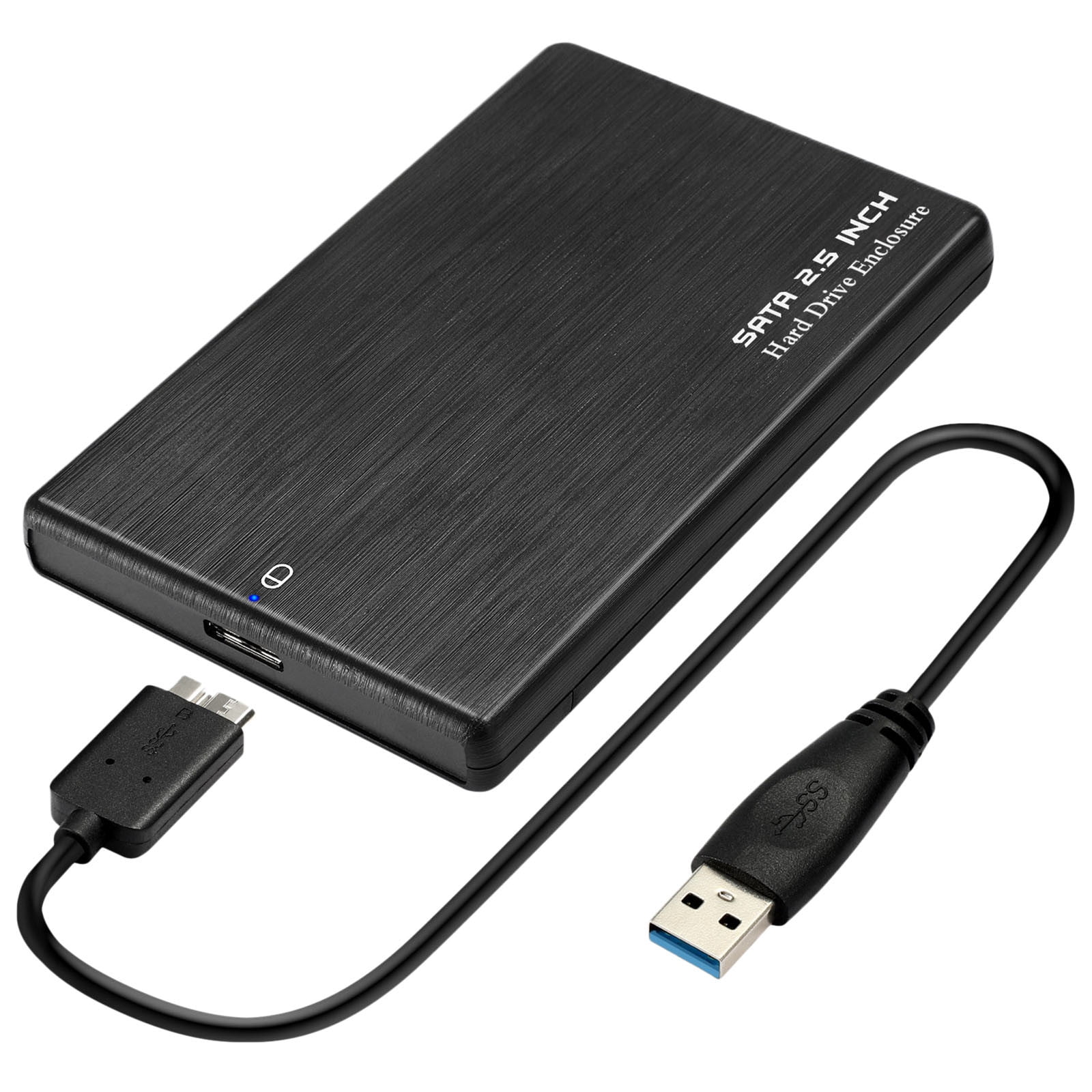
Buying storage used to mean decoding a mountain of confusing specs and praying your drive didn't fail midway through a critical export. Thankfully, the field has stabilized a bit. Today, most modern hardware relies on the ubiquitous oval USB-C port, bridging the gap between Windows and Mac ecosystems without requiring a drawer full of proprietary adapters. Yet, if you are pushing serious data – think multi-camera 8K timelines or massive local vector databases – you still have to look closer at protocol support, thermal throttling, and real-world sustained throughput rather than just trusting the bold claims printed on the retail box.
Take the current crop of drives making waves in hardware labs, like the Important X10 or the heavy-hitting Thunderbolt options. They promise incredible numbers on paper. But let's be honest about how we actually work. Most of us don't need blistering, bleeding-edge speeds for a casual Time Machine backup that runs quietly in the background at midnight. What we actually need is reliability under load, decent drop protection for when gear inevitably slides off a crowded desk, and a cost-per-gigabyte ratio that doesn't feel like highway robbery. If a drive throttles down to a crawl after copying thirty gigabytes of raw footage, those peak benchmark numbers are completely meaningless.

Ignore the promo fluff about bundled software utilities you will uninstall within five minutes when you start shopping — or so it seems. The entirely, focus on the physical engineering and your actual workflow! Granted, are you editing straight off the disk while traveling — or just archiving cold storage on a shelf? At the same time, crazy, right. Invest in proper solid-state reliability with adequate dust and water resistance, if it's the former. Real talk: should it's the latter, a slower, high-capacity mechanical drive or a budget-friendly SSD will treat your wallet much better.
storage is just plumbing for your digital life. Buy what keeps the friction out of your way, keep your offsite backups running, and stop sweating the tiny benchmark variances between competing brands.