Why Tailscale is the Ultimate Companion for Self-Hosted Apps
Stop wrestling with port forwarding and risky reverse proxies. Here is how layering WireGuard-backed networking over your home server unlocks true remote utility....
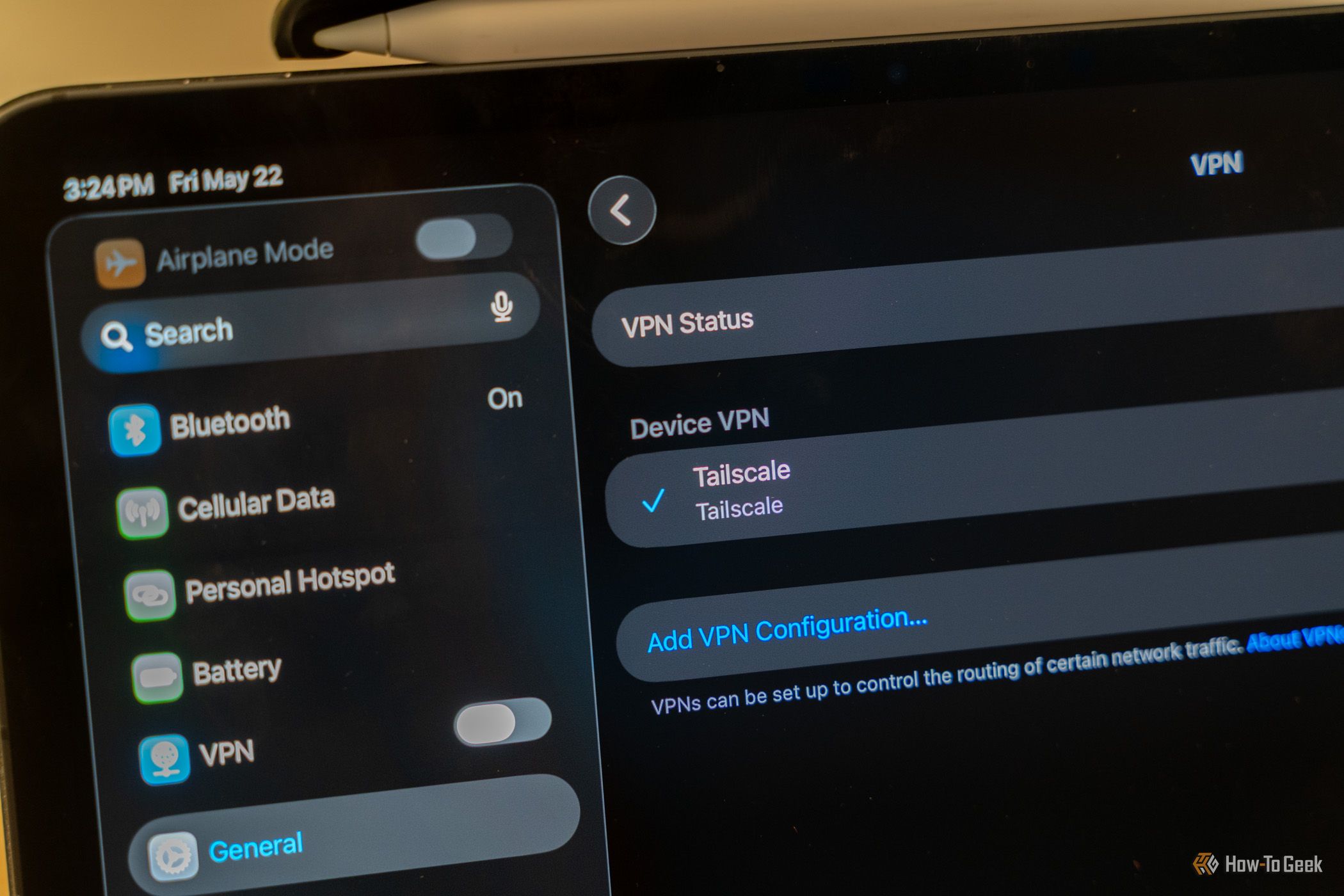
I used to think opening ports on a home router was just part of the self-hosting tax. Then reality set in. Constant scanning bots, fragile configurations, and the looming paranoia of leaving a door cracked open to the public internet made me rethink everything. There is a cleaner way. By dropping traditional port forwarding entirely and running a zero-config mesh overlay network instead, you get the best of both worlds: absolute local control over your hardware without the terrifying exposure of a standard public IP setup.
Take password management as a prime example. Storing credentials on third-party servers defeats the entire philosophy of owning your stack, which is why lightweight alternatives like Vaultwarden have exploded in popularity among builders who refuse to hand over their secrets to a SaaS giant. While sitting at a coffee shop three time zones away, yet, a local-only vault is practically useless when you need to log into a service. Instantly, marrying that local instance with a secure overlay network solves the friction. Your phone connects directly to your home hardware as if it were plugged into the exact same switch, keeping your data locked away from prying eyes while remaining entirely accessible on demand.

Media streaming and mobile backups follow the exact same logic. Why pay subscription fees for proprietary remote playback engines or hand your personal camera rolls over to cloud giants when open-source powerhouses like Jellyfin and Immich can handle the heavy lifting right on your own iron? The historical catch was convenience. Jellyfin didn't have the effortless remote relay magic of commercial options, and photo sync failed the moment you walked out your front door. WireGuard-powered routing completely erases that penalty. Your media streams smoothly and your photos back up autonomously over encrypted tunnels the second you leave Wi-Fi, completely bypassing the messy world of dynamic DNS records and SSL certificate renewals.
good engineering is about removing friction without compromising security. We spend countless hours curating our local infrastructure, optimizing storage arrays, and containerizing services for maximum uptime. Exposing those services shouldn't feel like a reckless gamble. By treating your devices as a private subnet no matter where they physically roam, you reclaim the true promise of owning your infrastructure: absolute ease, zero corporate middlemen, and complete peace of mind.