The Fine Print on Apple Intelligence: Why AI Usage Limits Change Everything
Apple is rolling out shiny new AI features for iOS, but severe usage caps reveal the hidden cost of cloud-dependent intelligence....

The keynote made it look effortless. Apple promised a transformed Siri, instant photo editing magic, and on-demand image generation baked straight into your pocket. It sounds like magic. Then the support documents dropped, and reality crashed the party. Apple Intelligence comes with usage limits. Run past your invisible quota, and you are sitting in a timeout box or reaching for your wallet. Suddenly, that futuristic assistant feels a lot more like a metered utility.
Let us be honest about why this is happening. Generative AI is hideously expensive to run. Everyone pretends inference costs will magically plummet to zero, but moving heavy neural networks across server farms burns cash and electricity at an alarming rate. When millions of devices start spamming cloud models to erase photobombers or render cartoon dogs, backend infrastructure buckles under the weight. Apple is capping usage not out of malice, but because raw compute has hard physical and financial limits. The cloud is just someone else's computer, and keeping it running isn't free.
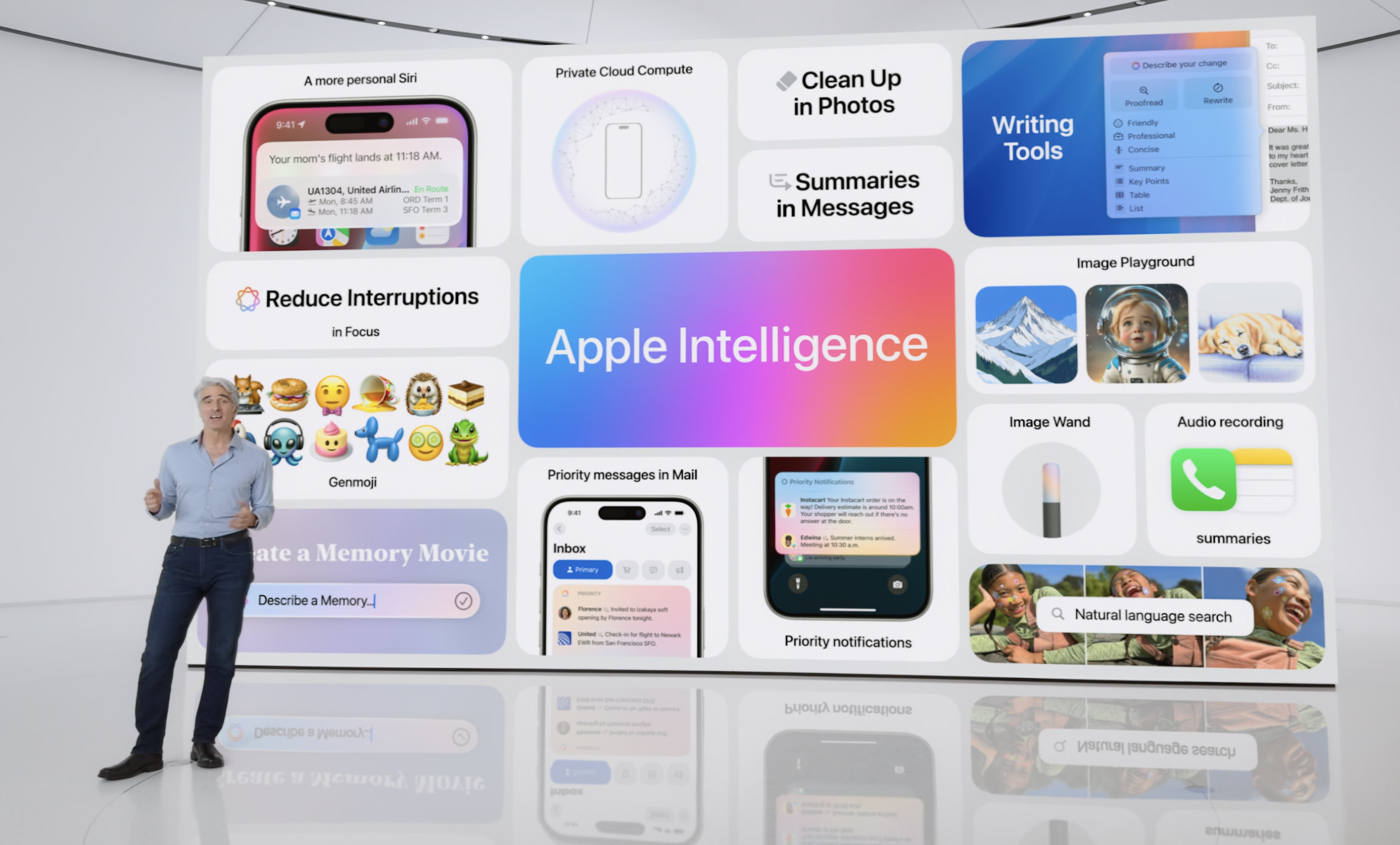
Supply, what frustrates me isn't the rationing itself – capacity management makes sense when demand outstrips. It is the vagueness of the goalposts. Apple refuses to publish clear thresholds, relying instead on a shifting matrix of server load, request complexity, and system policies. You will just hit a wall (believe it or not). One minute you are tweaking spatial framing, and the next you are locked out. That kind of unpredictable software behavior drives developers and power users crazy.
This whole situation exposes a deeper structural flaw in how we build modern software. Relying entirely on remote server-side models for everyday device interactions creates a fragile dependency loop. If local hardware can't shoulder the computational burden, users are hostage to backend constraints and arbitrary billing tiers. True craft means building tools that respect the user's hardware and local autonomy, rather than tethering them to an invisible meter that starts running every time they ask their phone a question.









