Jürgen Schmidhuber Joins Sakana AI and the Race for Recursive Self-Improvement
The pioneer behind deep learning and world models just took the helm at Sakana AI's new recursive self-improvement lab. Things are getting interesting....
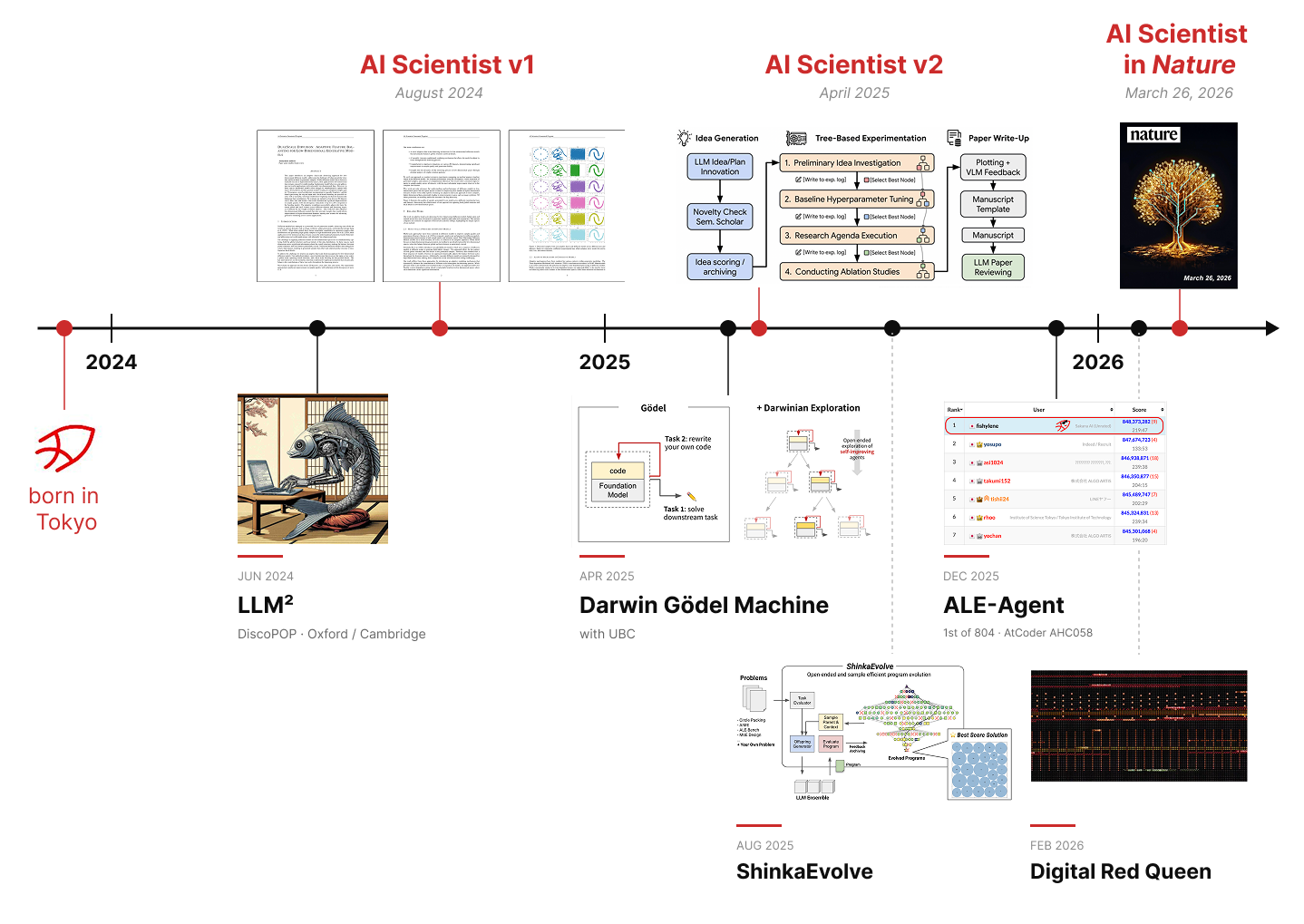
Jürgen Schmidhuber has a new home. Tokyo-based lab Sakana AI just named him Chief Scientific Advisor to steer their newly minted RSI Lab. If you've followed machine learning for more than five minutes, you know this hire carries weight. People love throwing around titles like 'godfather' in tech, but Schmidhuber's actual footprint on neural network architecture dates back decades before the current generative AI gold rush. Long before venture capitalists discovered transformers, he was laying down foundational math that modern systems still rely on.
Now, he is heading up recursive self-improvement. Let that sink in. The explicit goal here is building AI that can rewrite and upgrade its own code without human intervention. Concepts, sakana isn't hiding the ambition, leaning heavily on like the Darwin Gödel Machine – systems designed to evolve continuously. It's a massive leap past the standard chat interface model. Instead of just scaling up compute and feeding LLMs more scraped internet text, they are aiming for autonomous, generational loops of machine intelligence.
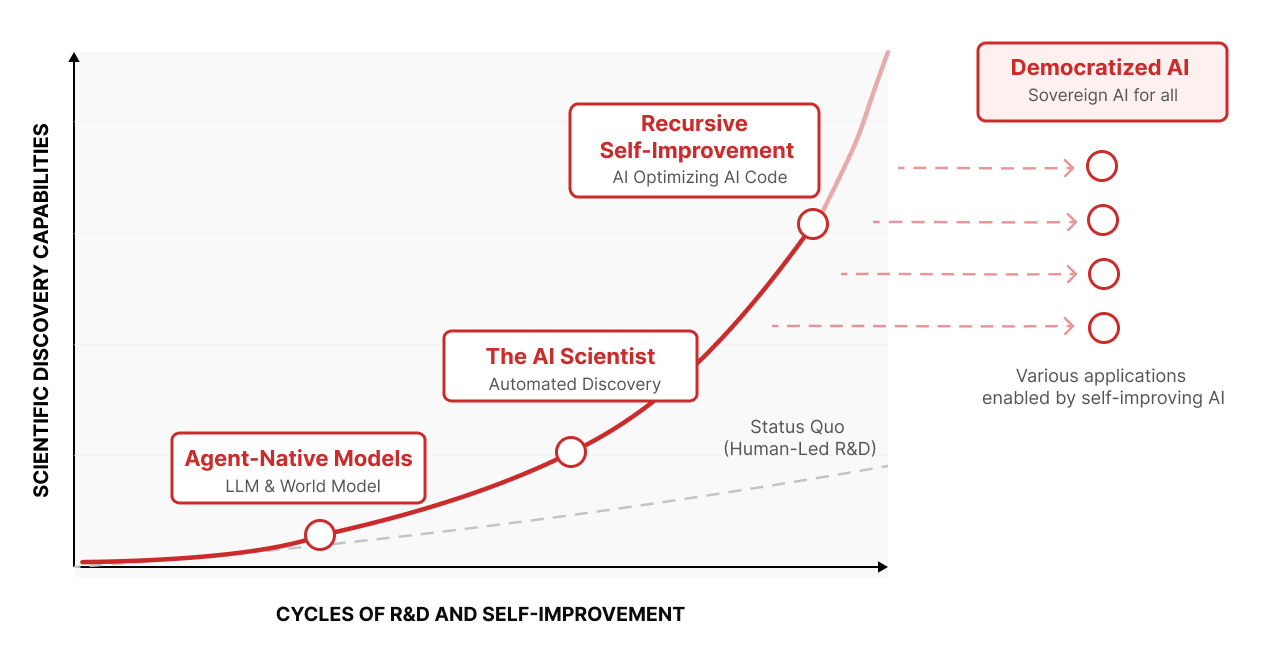
There is a quiet irony here that tickles me. While Silicon Valley spends billions marketing incremental UI tweaks as profound breakthroughs, real foundational research keeps migrating outward. Tokyo is quietly pulling in the heavy hitters. Sakana's bet is clear. They want to bypass brute-force scaling entirely and unlock intelligence that scales itself. Whether that timeline spans five years or fifty, putting one of the most prolific theorists of the twentieth century in charge of recursive loops changes the energy in the room.
We're hurtling toward a strange horizon where machines start optimizing their own foundational weights and architectures autonomously. Hype cycles will come and go, burning through endless venture capital and generating mountains of algorithmic noise. But watching foundational architects tackle recursive self-improvement? That is worth paying attention to. The next era of computing won't be written by prompt engineers. It will be written by code that writes itself.









