An AI Mind Reading Tool Is Reconstructing What You See From Brain Scans
New research shows AI can decode brain scans into high-precision visual imagery. It is a stunning technological leap that demands a serious conversation about cognitive privacy....
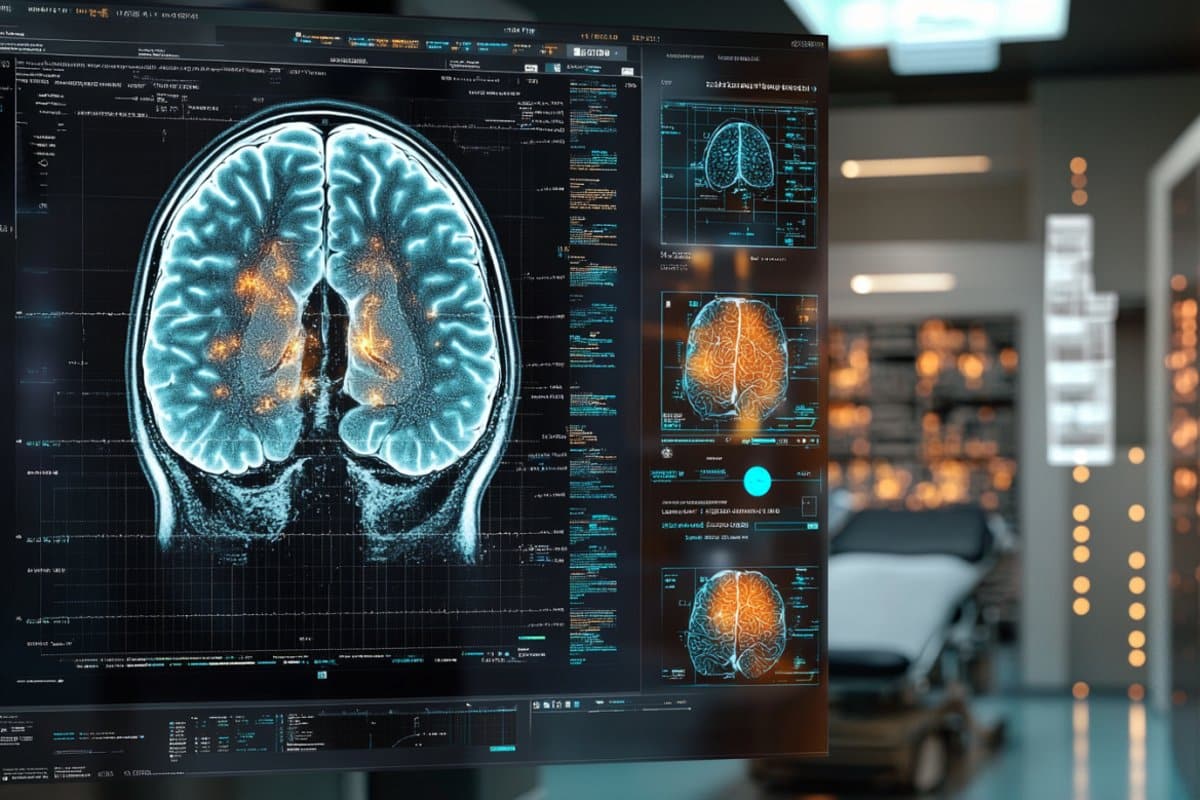
We're officially crossing from science fiction into uncomfortable reality. This a newly developed AI mind reading tool can take raw neural data and reconstruct the exact images flashing through a person's eyes with startling, unsettling precision. It doesn't just guess a general category or a rough color palette. It maps brain activity directly back into recognizable visual forms, reversing the entire mechanism of human perception. For years, machine learning has beaten us at chess, written passable poetry — and generated synthetic portraits from random text prompts. Now, rules are peering behind our retinas to render our internal visual experiences visible to the outside world.
The engineering behind this breakthrough is clearly impressive. The by analyzing complex patterns within neural scans, the underlying models learn to decode how the human visual cortex processes shape, light, and context. Oddly enough, slightly, what makes this particular system fascinating –, which terrifying – is its bidirectional capability. Not only can it translate brain activity into a picture. But it can also predict how a brain will fire when exposed to a specific visual stimulus. We are looking at a closed-loop system where machine intellect and biological perception begin to speak the exact same language, bypassing the old bottlenecks of human speech entirely.

Yet, amid all the breathless headlines about technological triumphs, we need to pause and ask harder questions. This is not just another incremental software update or a clever optimization trick for generative models. We are dealing with the foundational sanctuary of human thought. If an algorithm can pull a coherent picture out of your neural activity today, what will it be able to extract tomorrow when the scanners get cheaper and the models get sharper? The implications for cognitive privacy are staggering, and our legal and ethical frameworks are completely unprepared for a world where your internal visual monologue can be scraped, stored, and rendered on a screen.
Every major technical leap comes with a shadow, and this one stretches across the very definition of mental autonomy. Software should amplify what we can build, create, and understand, but peering directly into the biological hardware of human consciousness feels like crossing a permanent line. As builders and technologists, we love to marvel at raw capability. We cheer for clever architectures and efficient training loops. But this achievement forces a sobering realization. Just because we can decode the mind does not automatically mean we should celebrate the loss of the last private space we ever had.