A Wireless Wi-Fi 7 eGPU Wants to Run Local AI, But Physics Still Exists
A new two-grand box tries to run local AI over Wi-Fi 7 with a built-in SSD. It's an engineering marvel, but a terrible idea for gaming....
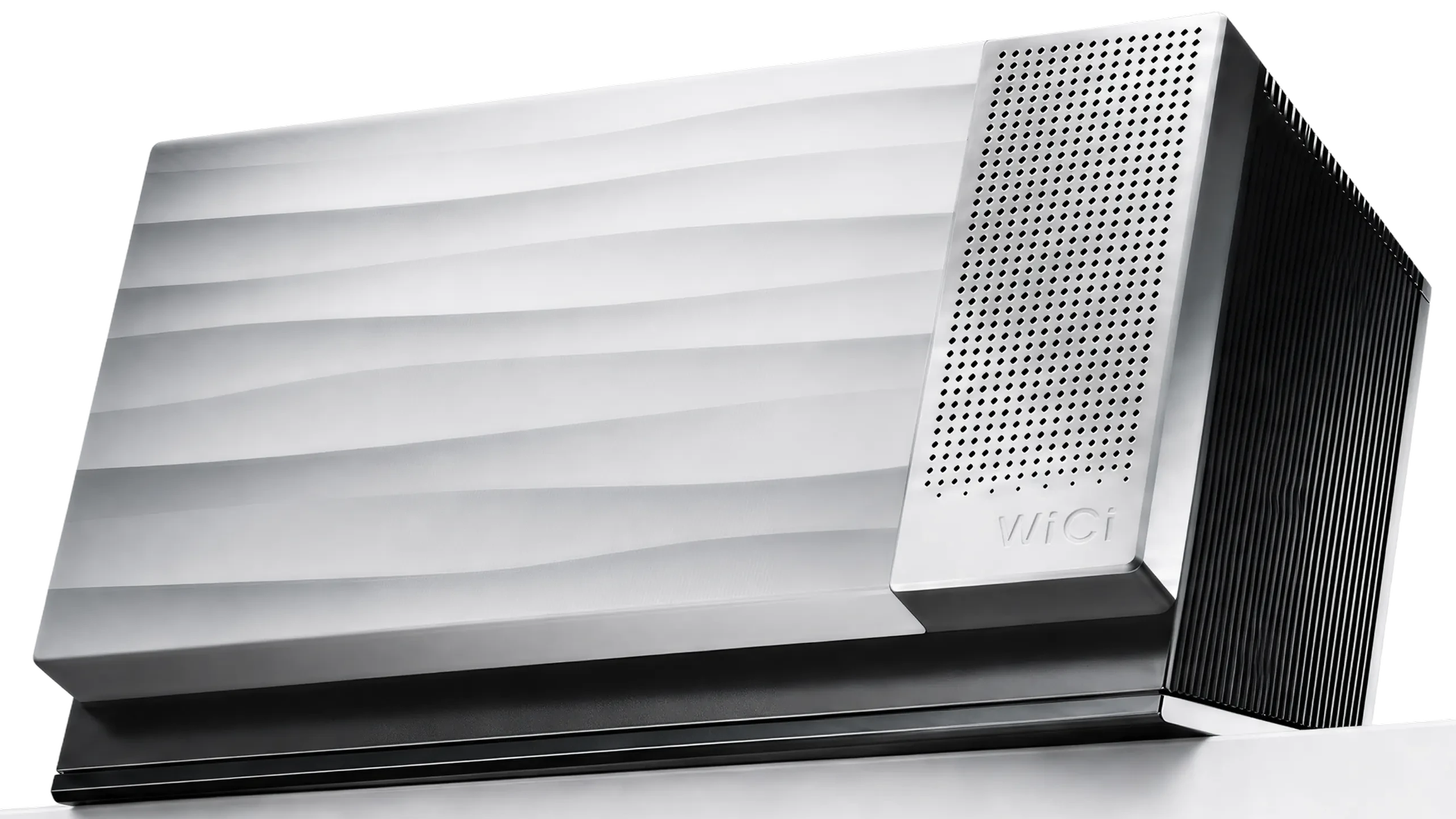
External graphics cards have always lived in hardware purgatory. Proprietary docks, stubborn bandwidth bottlenecks, and dangling cables solve desk setup chaos only to introduce a dozen fresh headaches.
Hardware startups are now eyeing exploding local AI demand and deciding physical tethers are far too pedestrian. Enter the WiCi One: a two-thousand-dollar enclosure ditching cables entirely, using Wi-Fi 7 to beam GPU compute straight to your laptop.
Let’s pause right there. If you understand how a graphics card communicates with a host machine, your internal alarm bells should be deafening. PCIe lanes exist for a reason. GPUs are chatty beasts, constantly shifting massive chunks of memory at lightning speed, meaning that trying to route all that raw traffic over consumer airwaves sounds like a fantastic way to turn a high-end accelerator into a very expensive paperweight unless someone pulled off a minor miracle.
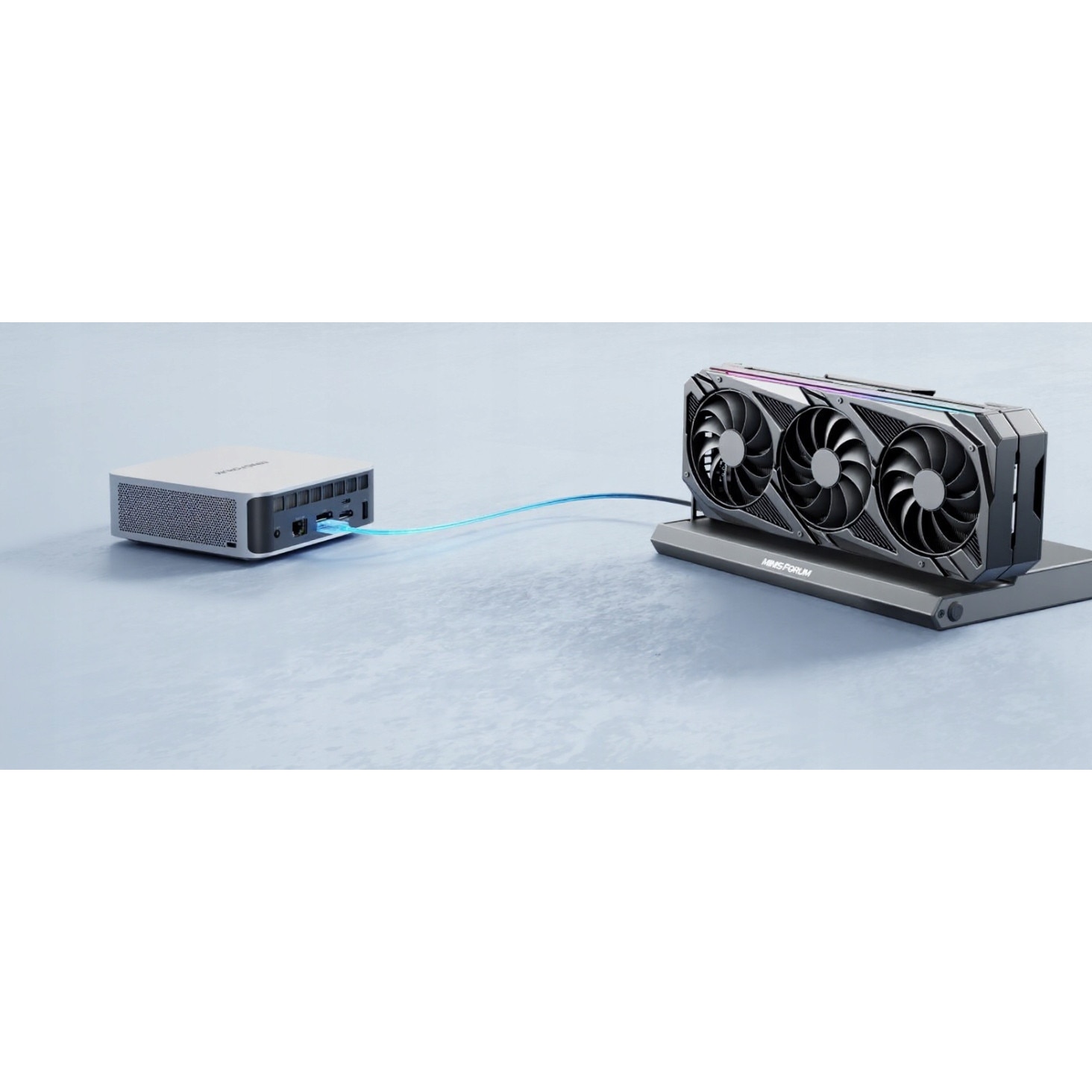
Audacity. They engineered a custom software abstraction layer that tricks your operating system into believing remote silicon sits right on the motherboard. Toss in a four-terabyte PCIe 5.0 SSD inside the chassis to hold heavy model weights locally. Well, sort of. And you suddenly possess a genuinely fascinating distributed compute appliance for sharing one heavy-duty card across multiple client machines.
Marketing claims inevitably pitch this as a gaming machine too. That premise fails instantly. Rendering millions of polygons in under seventeen milliseconds over wireless networking protocols is an exercise in pure frustration because no amount of caching saves you from packet loss when gaming. Leave this box where it belongs: tucked quietly in a corner, crunching weights for developers who want extra local muscle without physical clutter.
Gadgets like this remind me why engineering remains endlessly fascinating. Someone looked at airtight bandwidth limits, sighed at terrible latency, and spent thousands of hours bending software to defy physics just because they could. Brilliant.









