GPU-Driven Storage Architecture is Finally Moving Past Hype
NVIDIA's push into cuObject and the SCADA Server SDK points toward a much-needed reckoning for AI data access pipelines....
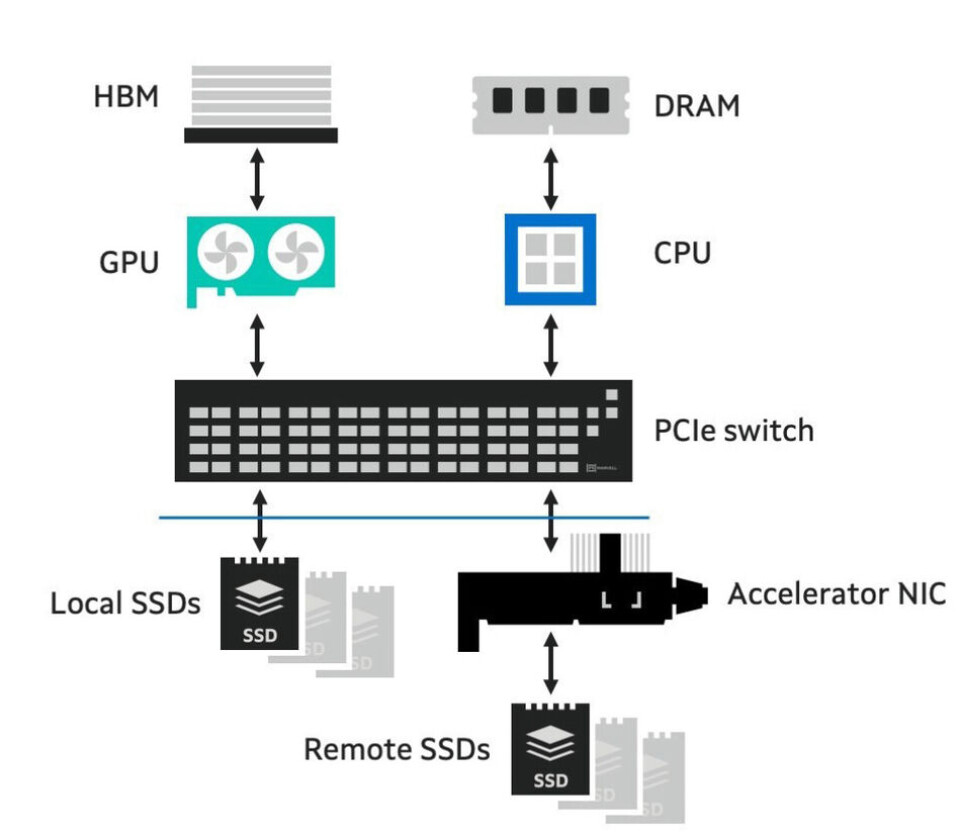
We've spent years watching massive clusters of expensive compute accelerators bottlenecked by ancient storage rules. Which frankly, it is about time someone built a real plumbing fix. In my experience, this training large models, running rapid inference lookups. And feeding multi-step tool calls require raw, unadulterated bandwidth that standard CPU-mediated memory pathways simply can't deliver without choking —. When your GPUs sit idle waiting for data. Setup budget is essentially lighting cash on fire.
Enter NVIDIA's latest maneuvers around cuObject and the SCADA Server SDK, which attempt to fix a fragmented ecosystem where every single cloud provider and storage vendor forced developers to write custom, proprietary integrations just to move bits efficiently over RDMA. By pushing for a standardized wire protocol and zero-copy transfers that bypass the host CPU entirely, they are finally acknowledging a fundamental truth: storage architecture has to evolve alongside the silicon it feeds, or the whole software stack collapses under its own weight.
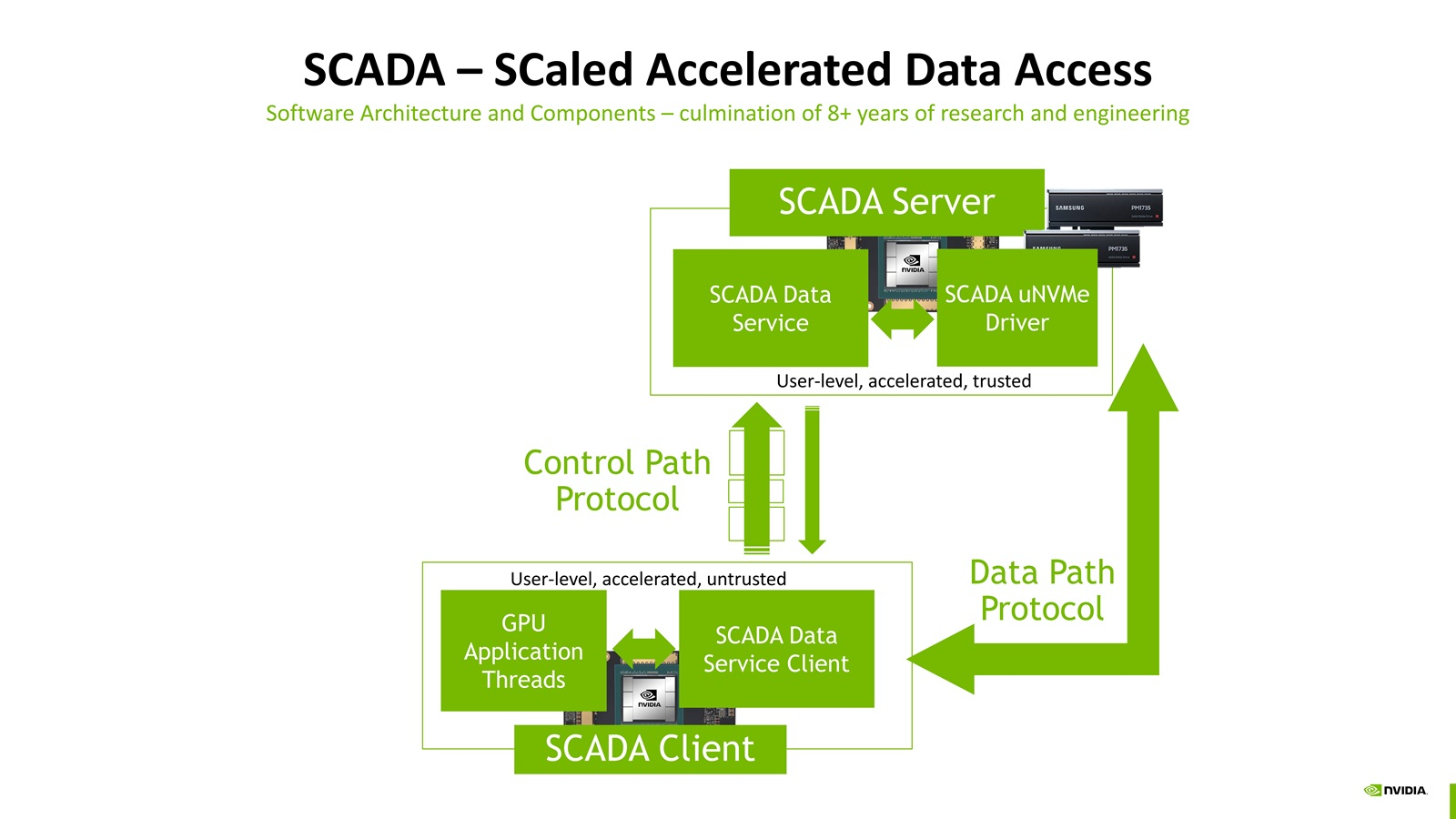
What makes this particular shift interesting isn't just the promo spin from corporate press releases. But rather the quiet reality of getting varied systems to actually talk to each other. When heavyweights like IBM start prototyping interoperability with IBM Storage Scale alongside a sprawling coalition of forty-plus vendors under the Storage-Next banner. You realize the industry is quietly standardizing fine-grained. GPU-initiated I/O requests out of sheer survival necessity. You realize the industry is quietly standardizing fine-grained. GPU-initiated I/O requests out of sheer survival necessity.
Of course, building resilient setup means remaining deeply skeptical of any silver bullet. But creating open standards for accelerated storage access beats wrestling with vendor lock-in every single day of the week. If you build systems that touch real data at scale. Keep a close eye on how these specs mature because clean wire protocols usually separate the solid engineering from the fleeting trends.