Why DiffusionGemma Matters for the Future of Local AI Generation
Google just dropped DiffusionGemma, a text-diffusion model that trades some raw output quality for blazing speed and non-linear parallel generation....
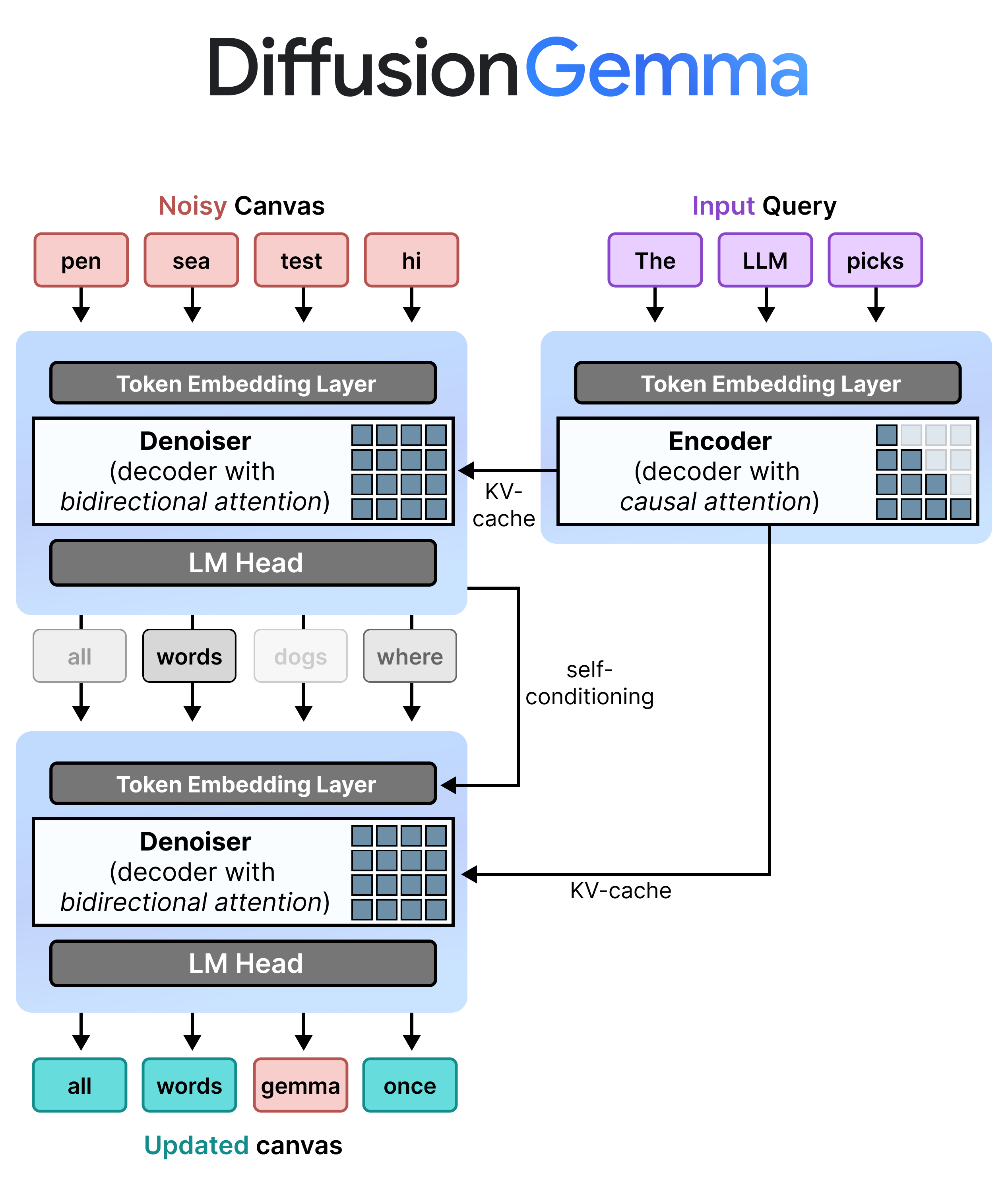
I have been watching the AI labs churn out endless variations of autoregressive transformers for years, so when Google DeepMind actually shook things up with DiffusionGemma, my ears perked up. We are finally moving past the tired, token-by-token bottleneck that has plagued local inference since the transformer craze began. Instead of generating a single token and waiting for the next, this experimental twenty-six billion parameter Mixture of Experts architecture drops entire blocks of text simultaneously. It is fast. It is weird. And honestly, it changes the conversation around what local models can actually do.
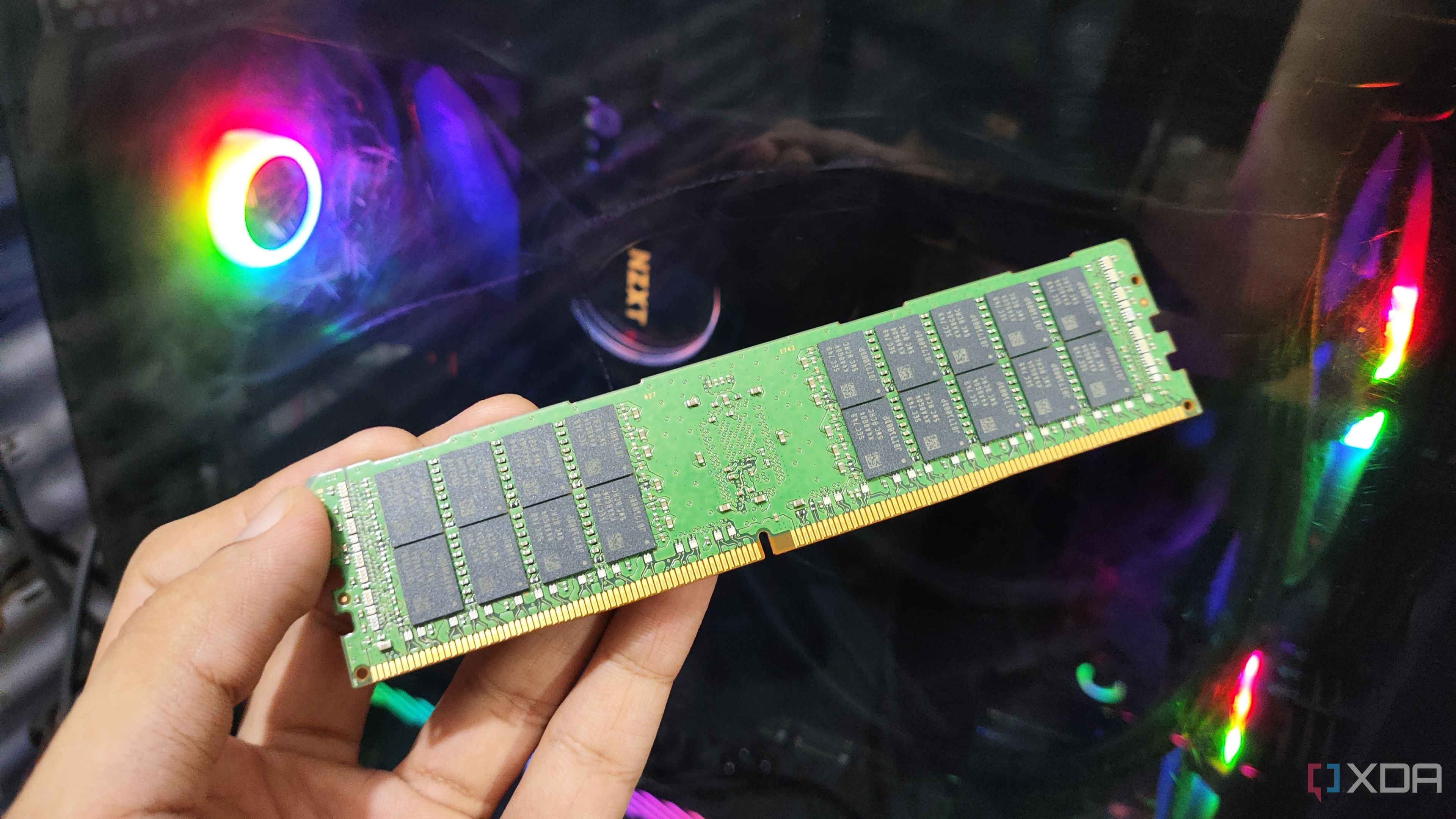
Let us be brutally honest about the trade-offs here. Google admits right out of the gate that the overall output quality lags behind their standard output models. Which means you shouldn't swap this in for heavy-duty prose generation just yet. But look at what it actually achieves under the hood: one thousand tokens per second on an H100. And over seven hundred on a consumer-grade RTX 5090 while comfortably fitting inside eighteen gigabytes of VRAM. That is the kind of hardware footprint that makes local, real-time developer tooling genuinely viable instead of feeling like a sluggish tech demo.

The secret sauce isn't just raw horsepower; it is bi-directional attention. This Because the model paints with a broad brush across two hundred and fifty-six tokens at once. Every single word can look backward and forward together. This completely changes how we approach non-linear problems like code infilling, algorithmic math. Or even solving logic puzzles like Sudoku where future constraints dictate past decisions – a task that historically trips up standard sequential transformers.
We are witnessing a fascinating shift from pure parameter-scaling hype toward clever architectural engineering that serves actual builders in the trenches. If you need pixel-perfect marketing copy, stick with the traditional models for now. But if you're building snappy, local developer utilities or interactive in-line editing tools where latency is the enemy, this open Apache 2.0 release gives you an entirely new weapon to play with.