CUDA Python 1.0 Is Finally Here, And It Changes Everything for GPU Developers
Python developers can finally talk directly to the GPU without writing C++ extensions or wrestling with fragmented ecosystem bindings....
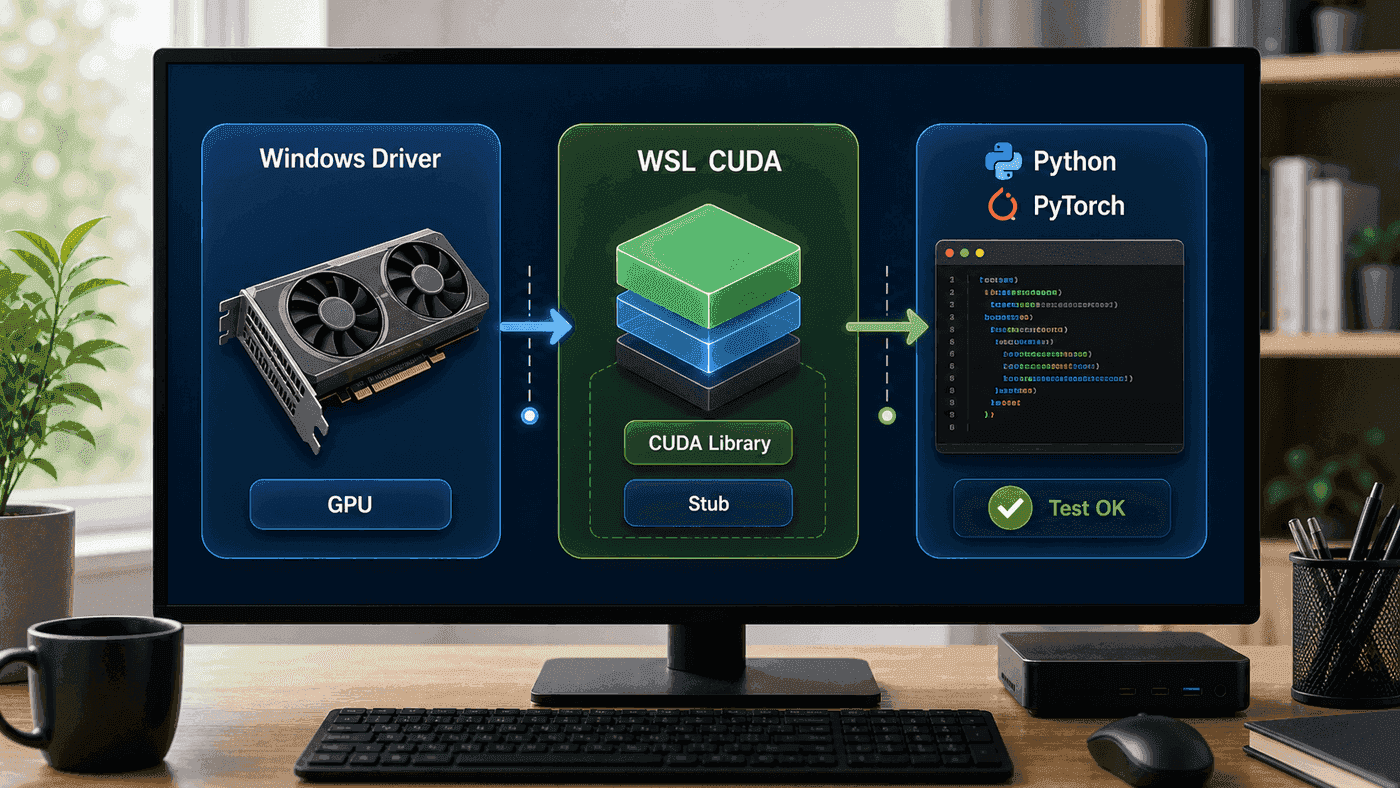
For years, touching the metal of a GPU from Python meant picking your poison! This you either dropped down to writing (worth noting) raw CUDA C++ extensions – managing your own build toolchains. Also, wrestling with memory bindings. Why does this matter? Or you stayed comfortably tucked inside high-level black boxes like PyTorch and CuPy. The abstraction worked fine until it didn't. The moment your specific workload demanded a custom kernel or an interaction that the framework maintainers hadn't anticipated. Thing is, in other words — passing heavy arrays between varied libraries without accidentally duplicating data in VRAM felt less like engineering. Also, more like — oddly – walking a tightrope over an active volcano.
That fragmented reality is precisely why the arrival of CUDA Python 1.0 feels so big. NVIDIA has finally stopped treating Python as a second-class citizen for high-performance computing. Instead of forcing developers to constantly reinvent custom bridges between distinct libraries, this release delivers a unified foundation. Through a sensible split of components like `cuda.core` for Pythonic runtime management, `cuda.compute` for parallel algorithms, and raw low-level bindings when you need absolute control, the platform gives us a shared vocabulary. It treats Python as a first-class citizen on the GPU, period.

More importantly, the 1.0 milestone brings something even scarcer than results features: stability. The anyone who's built output systems on top of fast-moving tech ecosystems knows the dread of unannounced breaking changes. Semantic versioning changes the calculus entirely. When APIs commit to predictable release tracks, proper deprecation cycles, and clear upgrade paths, builders can actually invest for the long haul. Your, you stop worrying that next month's minor update will silently torch compilation pipeline.
We love to see good engineering win out over marketing hype. This isn't a flashy rewrite or a buzzy abstraction designed to hide complexity behind magic; it is a mature consolidation of tools that should have existed a decade ago. If you care about raw execution speed, memory efficiency, and building strong systems that actually scale, go read the docs and start writing cleaner code. Also, building strong systems that actually scale, go read the docs and start writing cleaner code.