Unlocking AI Factory Throughput: Why Static Power Provisioning is Dead
We’ve been leaving massive amounts of compute stranded in the data center simply because we plan for worst-case power scenarios that rarely happen....
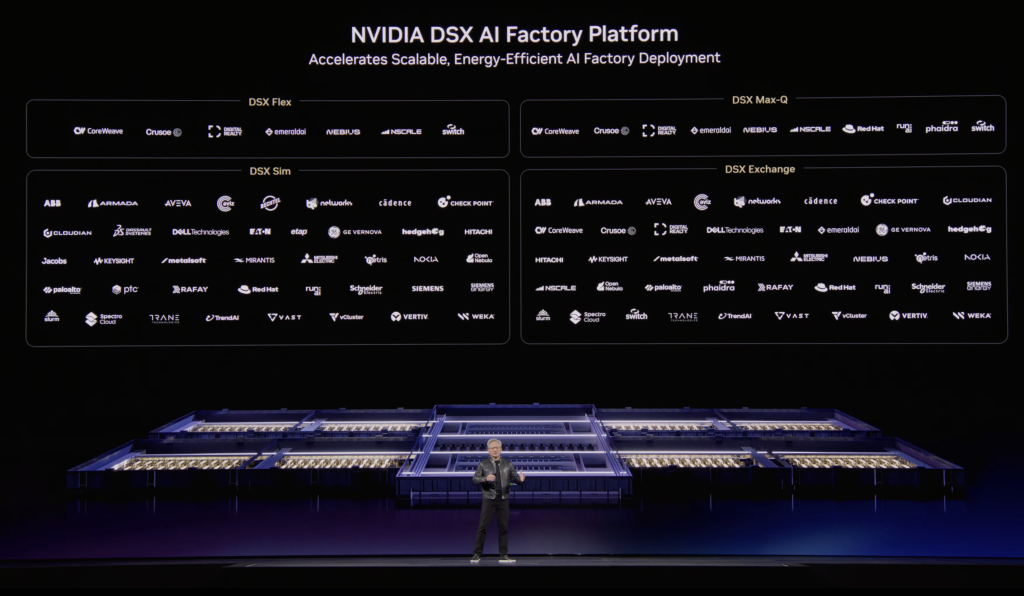
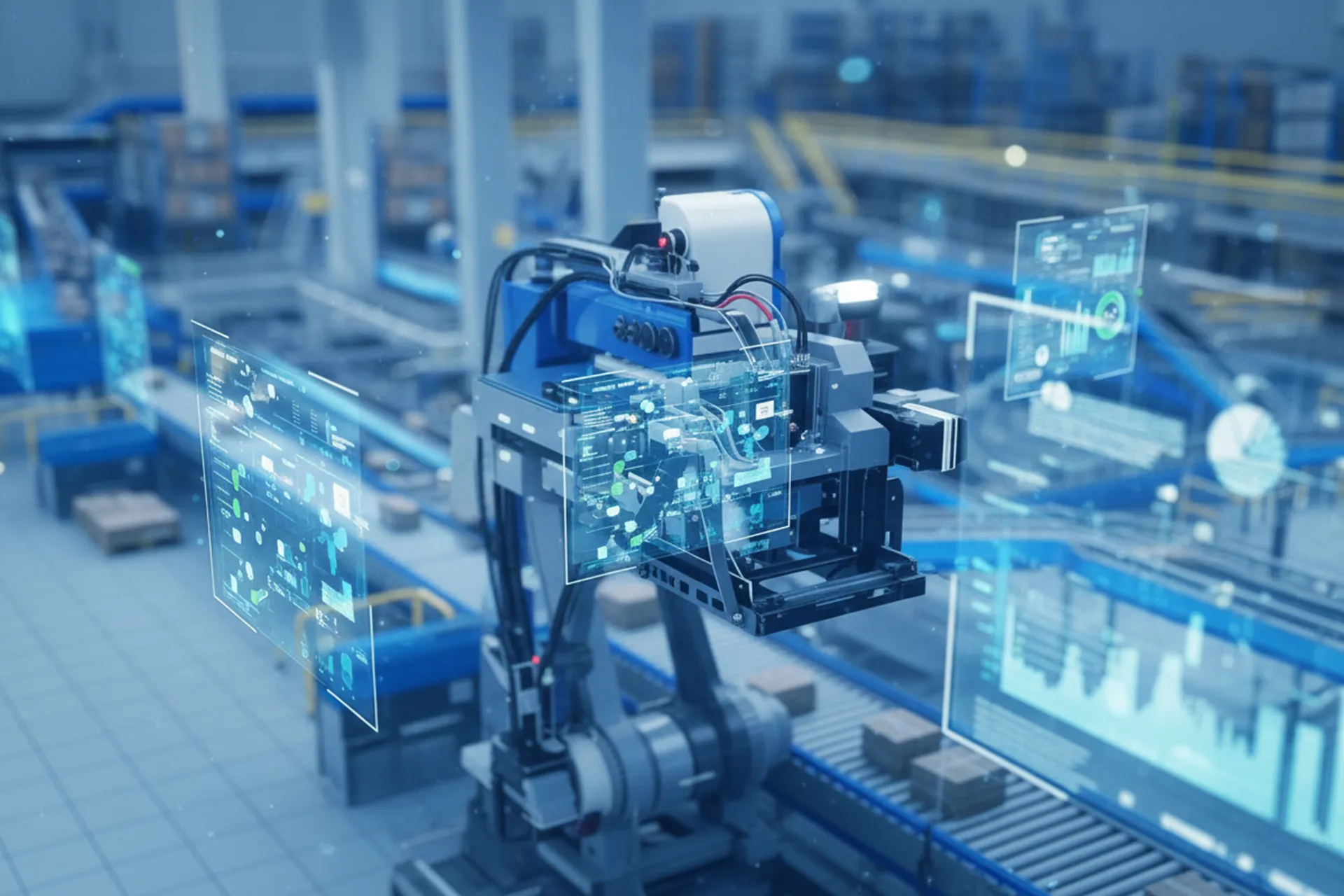
Most data centers are operating under a self-imposed handicap. For years, infrastructure engineers have built out power delivery based on a deeply conservative fiction: the moment when every single GPU draws its absolute maximum wattage simultaneously. Because hardware like the GB300 NVL72 can spike under heavy loads, operators provision massive protective buffers just to keep breakers from popping. The result? Millions of dollars in electrical capacity sits completely stranded while we pretend we are being responsible.
AI workloads are naturally chaotic. Training runs cycle through intensive compute phases, agonizing communication bottlenecks, quiet synchronization windows, and deep checkpointing lulls. Inference is no better, bouncing wildly between memory-bound work and idle pauses depending on request shapes. For the most part, yet, our power allocation models treat a GPU running a token generation phase the exact same as one spinning up a massive matrix multiplication. It is static thinking in a dynamic world.
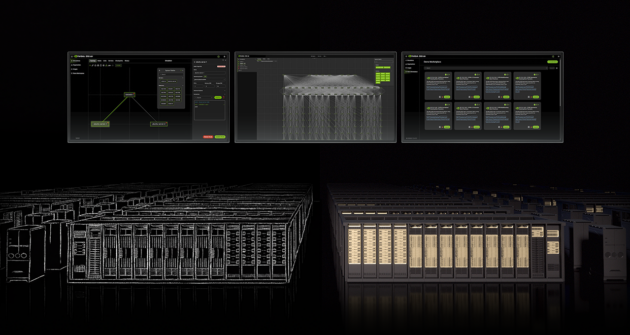
This brings us to what NVIDIA and Nscale are testing in Iceland with DSX MaxLPS, using policy-governed power sharing to finally bridge the gap between reserved capacity and reality. The Instead of locking every node into a rigid, isolated ceiling, the control loop monitors real-time telemetry across the cluster. When one rack idles during a synchronization phase. its unused — oddly — headroom is instantly dynamically reallocated to neighbors grinding through heavy prefill workloads. You can squeeze up to forty percent more hardware into the exact same physical power envelope.
What I appreciate about this approach is that it — and this matters. This good engineering isn't about throwing thicker cables at a problem or buying another acre of land for a generator. While ditching the lazy heuristics we've relied on for decades, respects the hard physics of power grids and substations. It's about wringing every ounce of utility out of the silicon we already paid for. Here's the deal: and, Dynamic power management is the logical next step.