Android Motion Assist is finally solving the most annoying travel friction
Google is bringing its clever motion sickness remedy to a wider pool of Android devices, proving that sometimes the best software updates just solve physical misery....
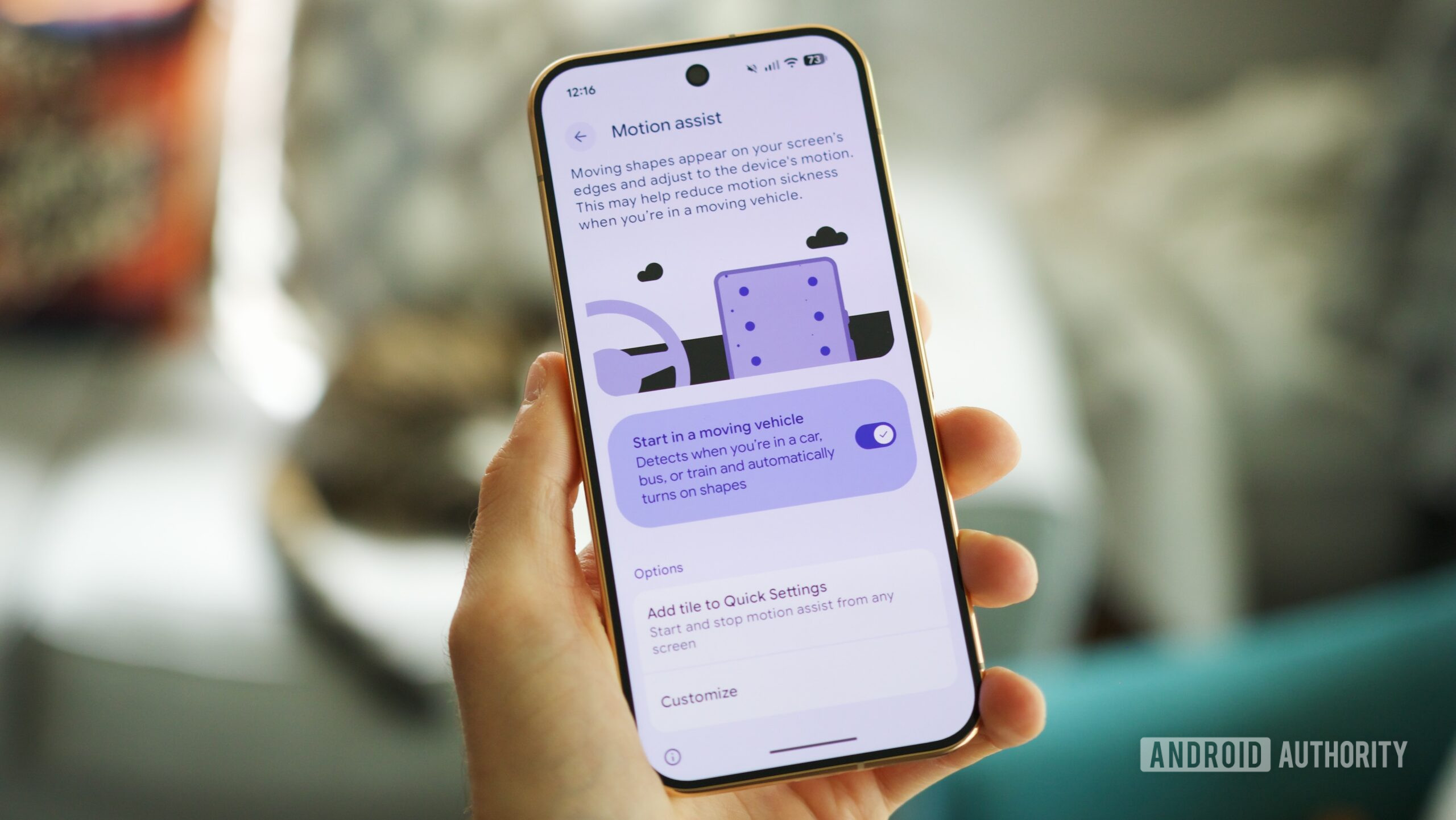
If you have ever tried to triage a production bug or clear your inbox in the back of a cab, you know the cold sweat of sudden motion sickness. Your eyes tell your brain you are staring at a stationary glowing rectangle, while your inner ear insists you are barreling down a highway at sixty miles per hour. It is a nauseating mismatch, and for years, our only real solution was putting the phone away and staring bleakly out the window.
That is why I am actually glad to see Android Motion Assist rolling out to a broader swath of devices. Instead of relying on gimmicks or heavy hardware modifications, this feature uses subtle animated dots on your screen to mimic the horizon. It is a brilliant, low-tech concept translated into software: by giving your peripheral vision a baseline of movement, it tricks your brain into making peace with the vehicle's momentum.
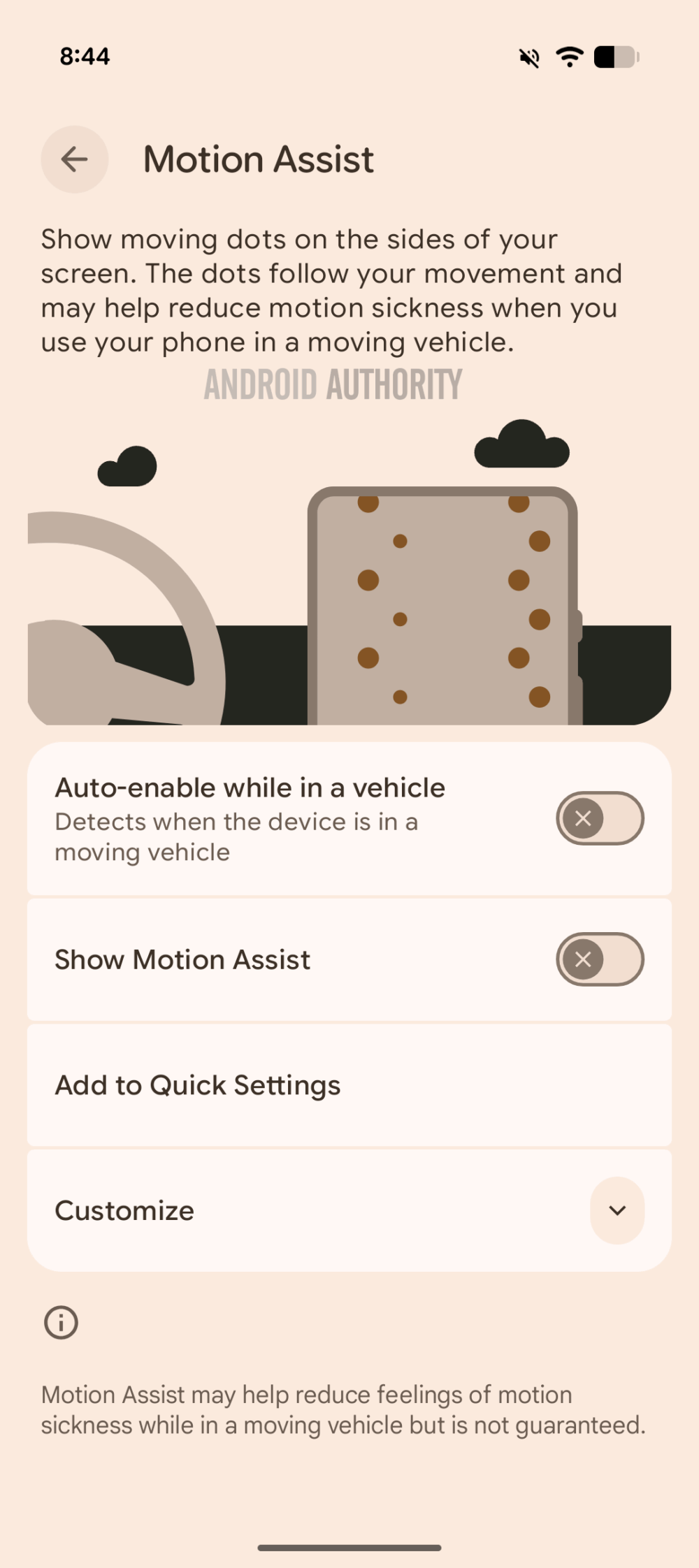
We talk endlessly about generative AI, latency benchmarks, and silicon leaps, but I love when a major platform company focuses on mundane ergonomics. This is software engineering meeting visceral human biology. It does not require a cloud round-trip, it does not demand an internet connection, and it solves an acute, physical problem that millions of commuters face every single day.
Sure, it is a small feature in the grand scheme of an entire operating system release. But thoughtful mobile development is often defined by these microscopic touches. As Android Motion Assist lands on more phones, it sets a nice standard: instead of just building tools that capture our attention, let's build tools that keep us from throwing up while we use them.









