Long-Horizon AI Agents and the Shift in Legal Technology
Legal technology is moving past basic document summarization toward long-horizon AI agents capable of managing complex, multi-day workflows....
The conversation around artificial intelligence in the legal sector is finally shifting away from incremental upgrades. For the past couple of years, the primary focus has been on faster document summaries, sharper search functions, and slightly more responsive chatbots. While these tools offer marginal efficiency gains, they still require constant human oversight for every individual task, operating more like sophisticated assistants than autonomous participants in a workflow.
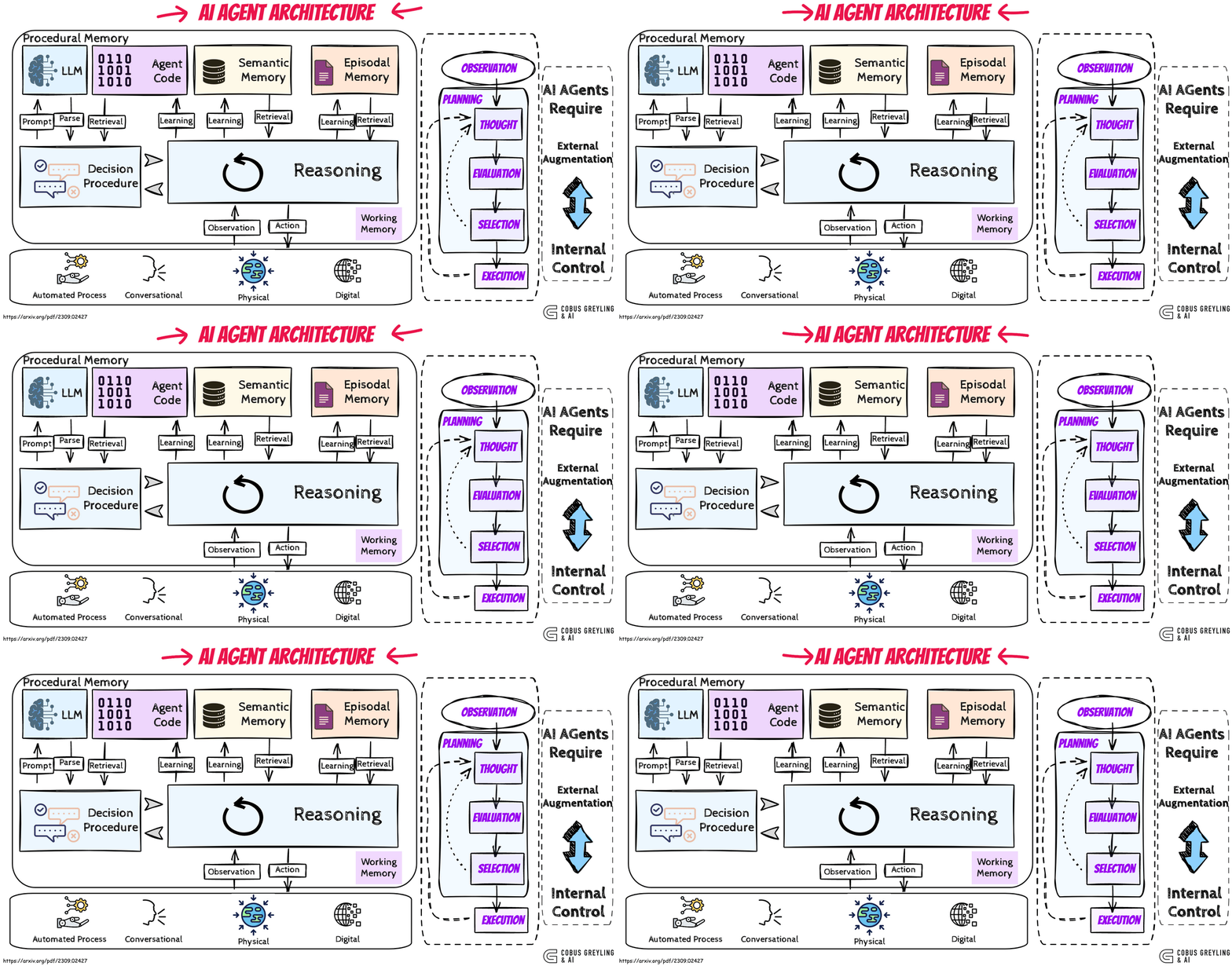
The emergence of long-horizon AI agents introduces a fundamentally different operational model. Instead of executing isolated commands, these systems are designed to shoulder responsibility for complex, multi-step processes that unfold over days or even weeks. They coordinate across disparate software platforms, monitor communication channels, and execute multi-phase strategies before surfacing the results back to an attorney for critical review.
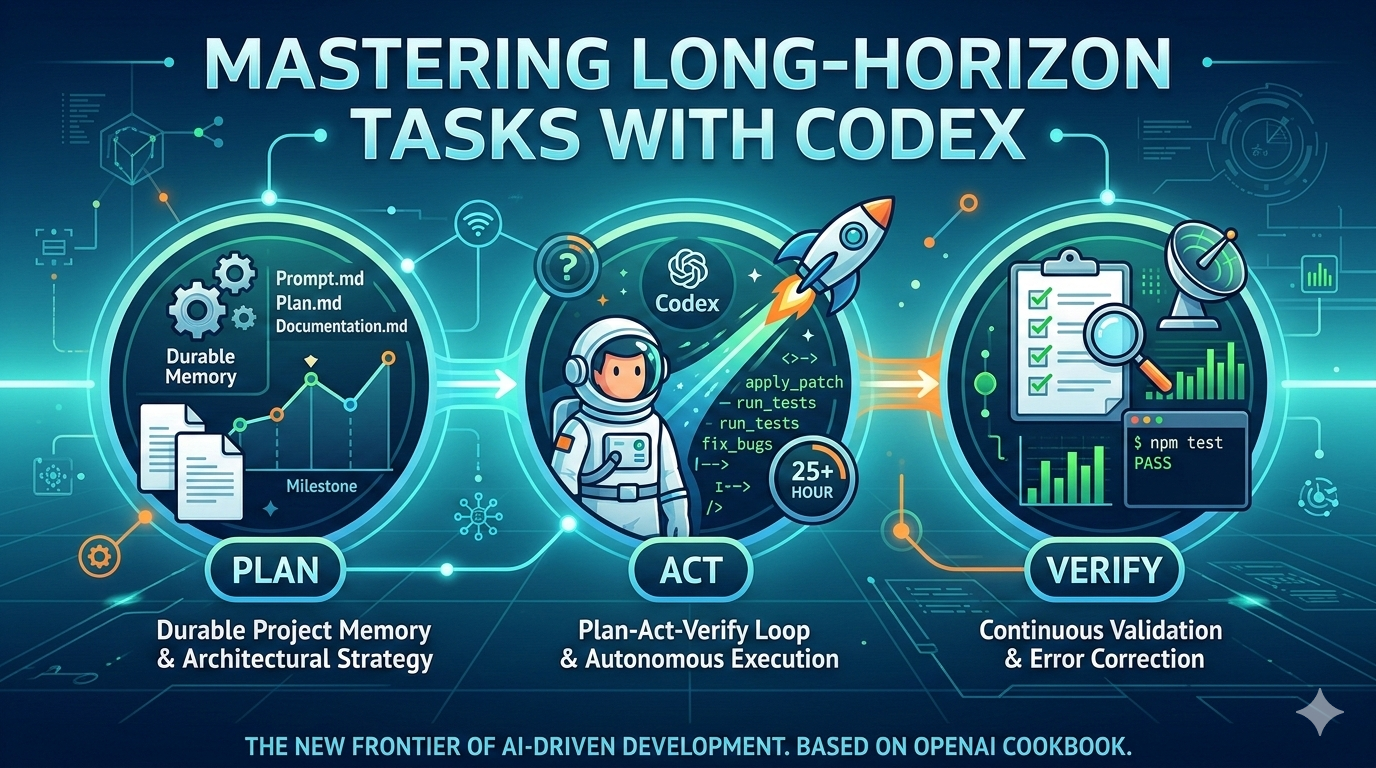
This capability points toward a broader structural change in how law firms might operate in the coming years. When software can reliably maintain context across extended time horizons, the bottleneck shifts from execution capacity to architectural design. Firms will no longer just be buying software licenses; they will be integrating autonomous operational loops that require careful guardrails, rigorous data hygiene, and dependable system integrations to function without failure.
Building software systems capable of handling extended, autonomous workflows requires a deep understanding of complex product architecture and rigorous engineering standards, which is the kind of end-to-end product development work we regularly navigate at Xetarev Studio.