Laya, Jev, and the Re-Discovery of Non-Autoregressive AI
A well-funded lab just rediscovered non-autoregressive models and called it a revolution. We've been here before....
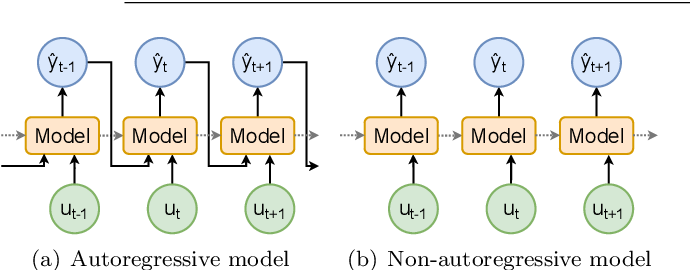
Well-funded, if you spend any time watching the AI discourse, you start to notice a dizzying cycle of collective amnesia. Where labs roll out 'noveling' designs that indie researchers built, tested, and open-sourced years prior. Take the recent mania around non-autoregressive models that output lightning-fast structural bets instead of stringing together text — oddly. Token by slow Watching the industry treat this concept like a fresh scientific (and this is key) epiphany felt equal parts validating and exhausting, mainly because I lived through those exact sleepless nights building it back in 2025.
Back then, long before venture capitalists started throwing nine figures at proprietary APIs for the exact same idea. The core architectural bet was simple: use reinforcement learning over bidirectional encoders to handle structured decisions. When a fresh frontier lab launches a shiny new model with zero open weights, no whitepapers. And a slick promo deck, they rely on the fact that most people won't check the arXiv archives from eighteen months ago. They repackage existing research, slap a hefty firm price tag on it. And wait for the tech press to applaud their genius.
Instead of wasting energy staying bitter about the industry's selective memory, it makes far more sense to do what builders have always done: build something better, faster, and completely open.

That exact frustration is what birthed Laya, a fully open-source. Apache 2.0 option that obliterates the benchmarks of those expensive proprietary systems while running on a fraction of the compute. By bypassing the massive bottleneck of generative token streaming for reflex tasks – like intent routing, spam detection, and security guardrails. These bidirectional encoder models clock in at under thirty-three milliseconds per inference pass, proving once again that tight engineering and real craft will always beat a well-funded hype machine.
Stop burning money on massive autoregressive models for simple classification tasks. The tools to build lean, lightning-fast systems are right here, and they belong to everyone.









