Holo4 and the Reality of Generalist Computer-Use Agents
Holo4 drops a fresh suite of open agentic models that seamlessly pivot between GUIs, code, and APIs without missing a beat....
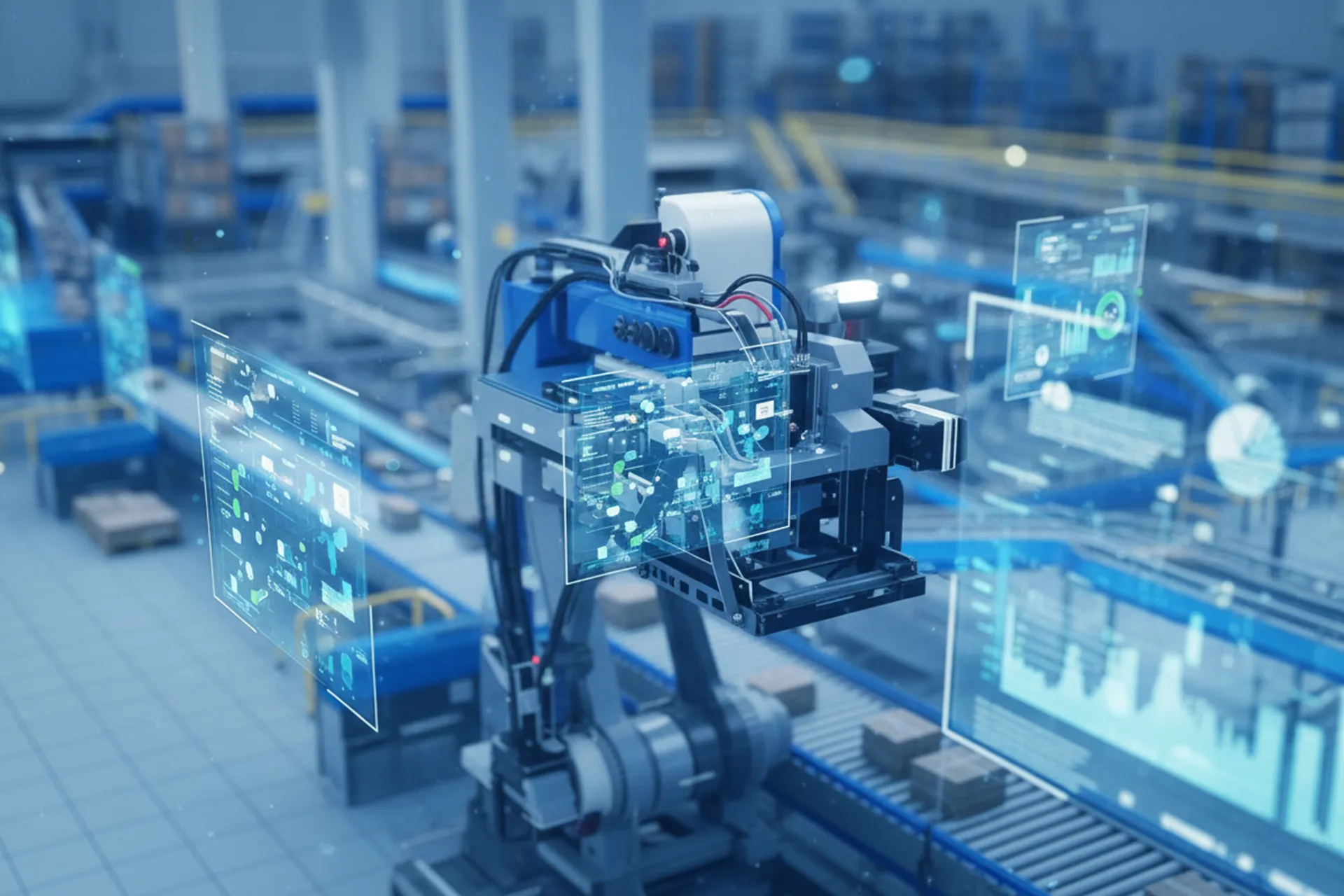
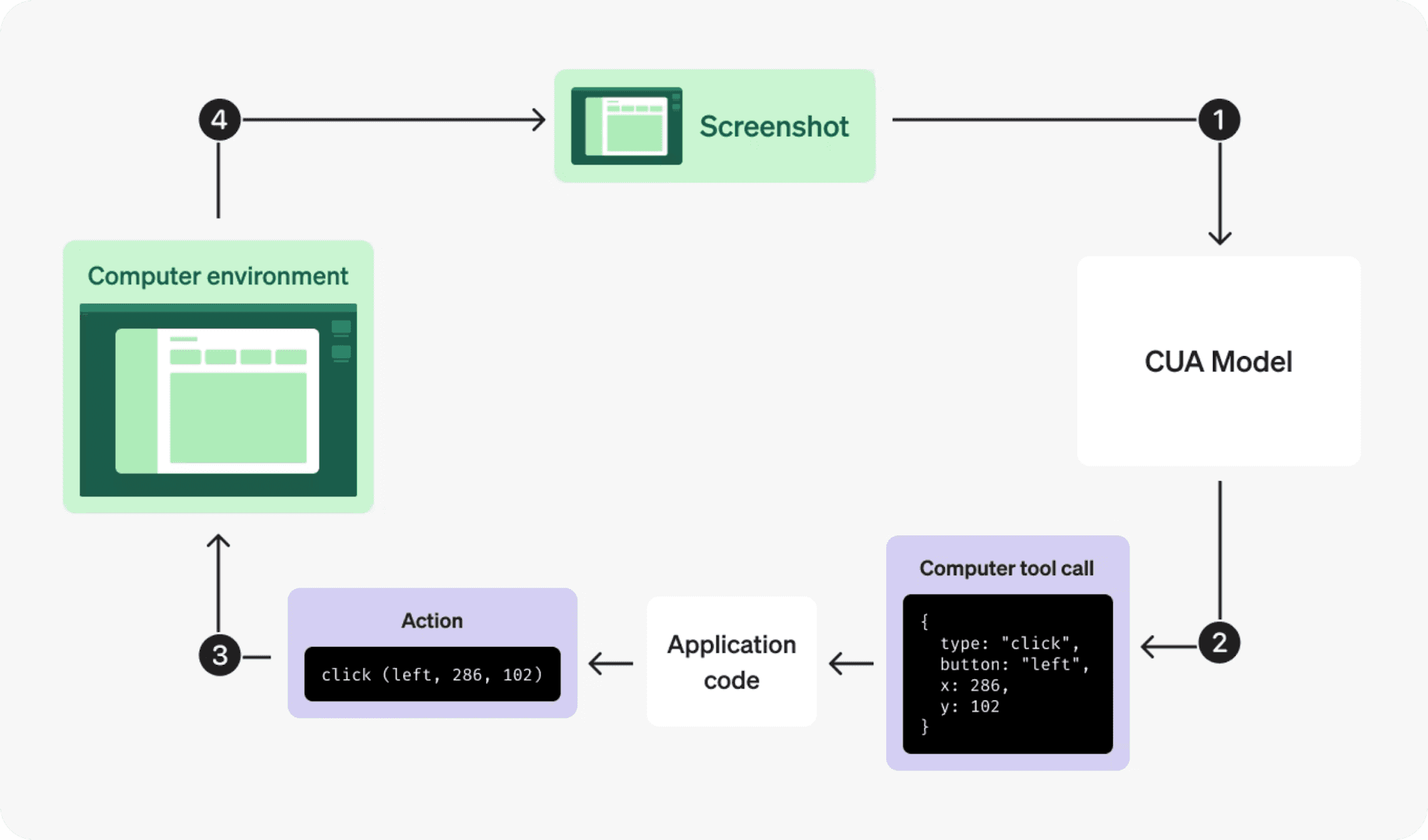
We have spent years watching AI agents fail at real work because they are trapped in narrow silos that shatter the moment a workflow requires actual context-switching. Some models can only stare blankly at a browser screen, while others panic the moment an API endpoint vanishes and they have to actually click a button. Real software engineering and business automation do not work like that. You pivot constantly. You write a script, you inspect a broken UI element, you query a database, and you bounce across completely disparate interfaces to finish a single ticket.
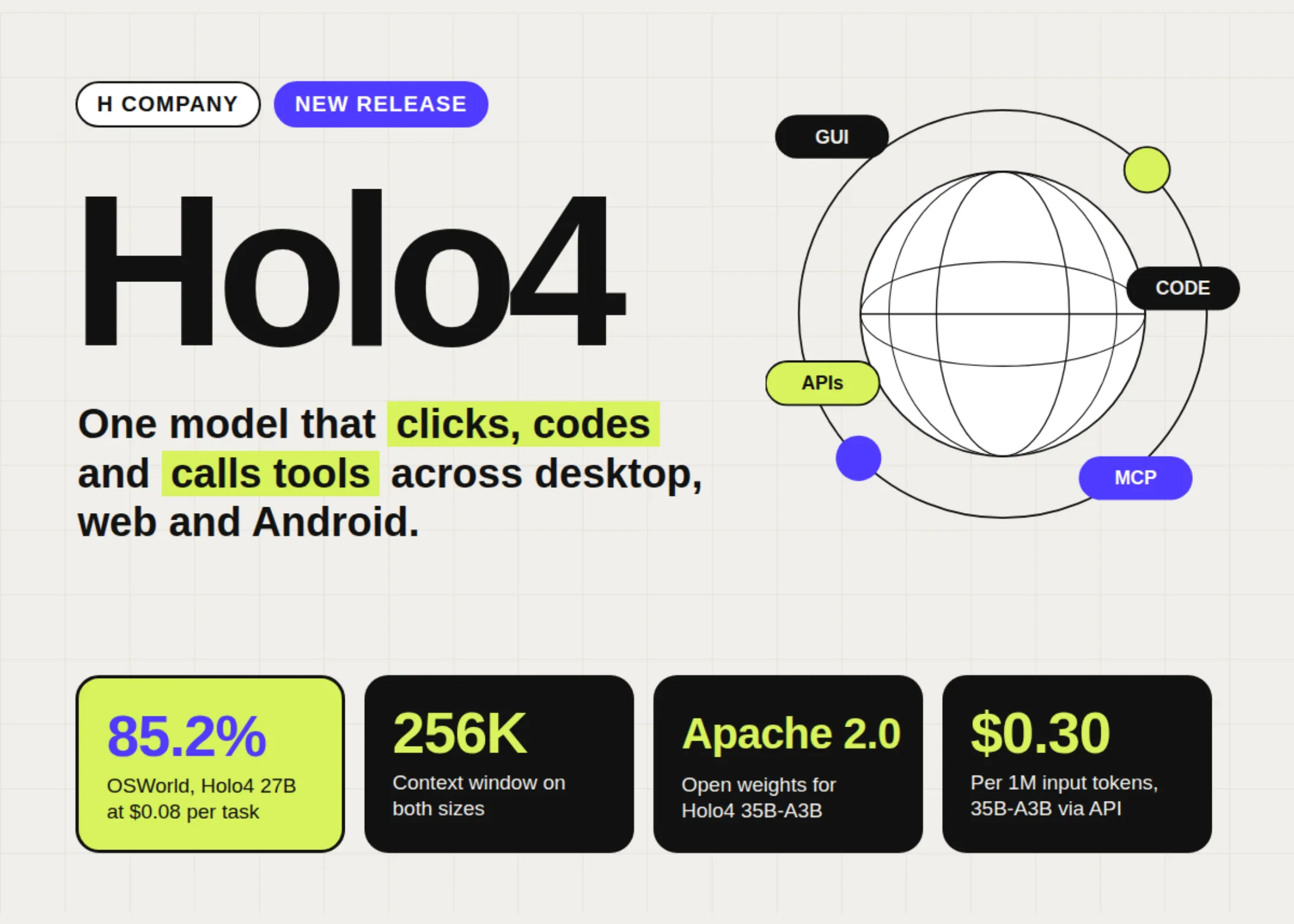
That is precisely why the release of Holo4 catches my attention. Built in 27B dense and 35B-A3B MoE flavors, these systems handle desktops, mobile apps, sandboxes, and raw code execution with surprising fluidity. Instead of forcing developers to juggle a fragmented zoo of specialized models for every minor platform shift. Holo4 uses a unified approach. It types, clicks, runs code, and calls MCP tools natively – behaving like a generalist. Which remains the absolute baseline requirement if autonomous agents are ever going to move past simple toy demos and actually survive the messy reality of production.
Benchmarks tell a compelling story, too, proving that smaller weights can punch way above their weight class. While proprietary frontier behemoths still edge out the win on punishing evaluations like OSWorld 2.0, Holo4 gets remarkably close at a fraction of the parameter count and operating cost. So what actually changed?
Transparency. The team open-sourced the entire path dataset behind these scores so you can audit how the agent moves. That level of openness is rare and deeply refreshing in a market dominated by black-box hype. If you are building workflows that require bridging the gap between legacy desktop apps and modern APIs, open models like this finally make local automation doable. The era of brittle wrappers is ending.