Why Multi-Layer Resiliency is the New Battlefield for AI Factories
At massive scale, hardware failures aren't edge cases; they're mathematical certainties. Here is why modern AI infrastructure demands a shift toward deep, multi-layer resiliency....
When you scale an AI cluster past a few thousand nodes, standard data center assumptions completely break down. We talk endlessly about model size and parameter counts, but the real bottleneck lives in the interconnect. A single dropped packet can stall a massive training collective, dragging down overall cluster utilization and wasting millions in compute cycles. At this scale, transience isn't an anomaly. It's the baseline.
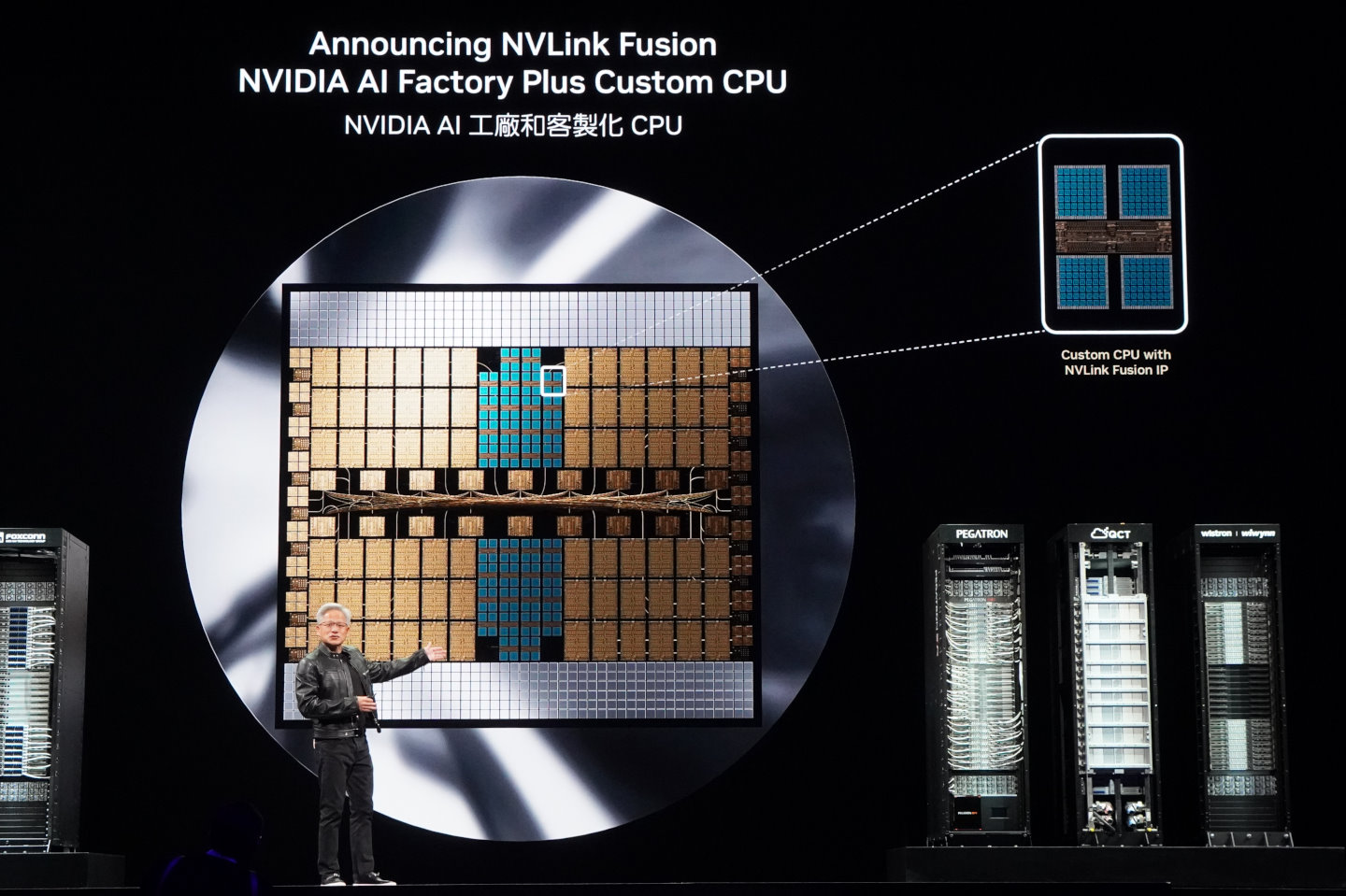
NVIDIA's latest push with NVLink 6 and its multi-layer resiliency framework point out an uncomfortable truth about modern infrastructure. Reactive protocols just do not cut it anymore. If your network design assumes a pristine, error-free physical medium, you are building on sand.
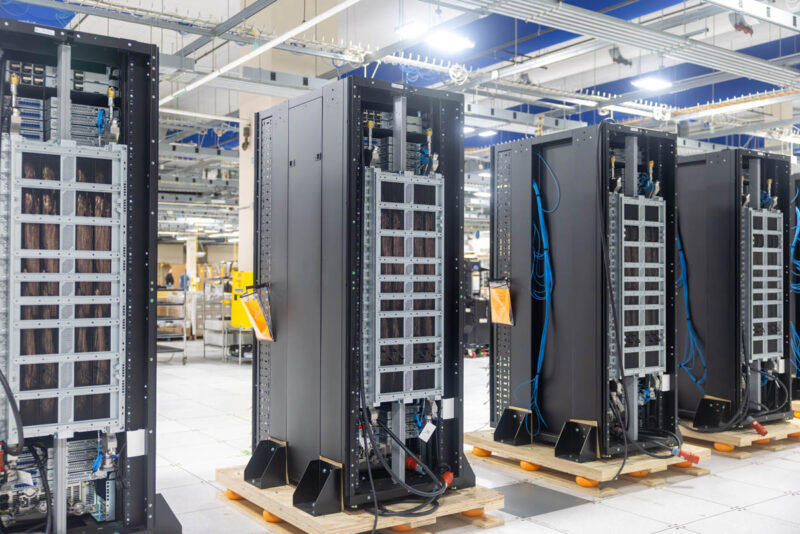
What I appreciate about this architecture is the obsession with eliminating single points of failure from the silicon up to the software layer. By combining hardware-level forward error correction with credit-based flow control, they are attempting to build a truly lossless fabric. That is hard engineering.
Ultimately, the economics of running an AI factory hinge on continuous output. Downtime is expensive. As models continue to expand, the winning infrastructure stacks will be the ones that treat error containment not as an afterthought, but as a core architectural primitive.