Why Rating Your Antivirus Software Still Misses the Point
Another year, another round of consumer surveys trying to score antivirus and security suite solutions. But do these ratings actually measure what keeps your system safe?...

If you think about it, every few months, tech publications roll out massive reader surveys asking people to rate their antivirus and security suite solutions. This prizes are dangled, gift cards are promised. Plus, Thousands of users dutifully fill out forms about software they rarely think about until something breaks. You know, it is a time-honored tradition in consumer tech media. But beneath the veneer of crowdsourced wisdom and statistical review lies a basic problem that classic software scoring always fails to address. Also, statistical evaluation lies a basic problem that classic software scoring consistently fails to address.
Actually, think about how we interact with security tools these days. This when was the last time your standalone antivirus suite stopped a clever supply chain attack or caught an exotic memory-injection exploit before it executed? Exactly. Modern threat vectors operate miles above the old file-scanning layer that these legacy suites were originally built to monitor. Yet, satisfaction surveys continue to reward the vendors who have the slickest user interfaces or the least annoying popup notifications, rather than the ones giving genuine, deep-system safety.
User sentiment is a terrible metric for engineering efficacy. People love software that stays out of their way, which paradoxically means a compromised system might score higher in a consumer survey simply because the malware was quiet enough not to trigger complaints. Entirely, we're grading the wrong things if a security product trades rigorous behavioral heuristics for breezy user experience just to win popularity contests.
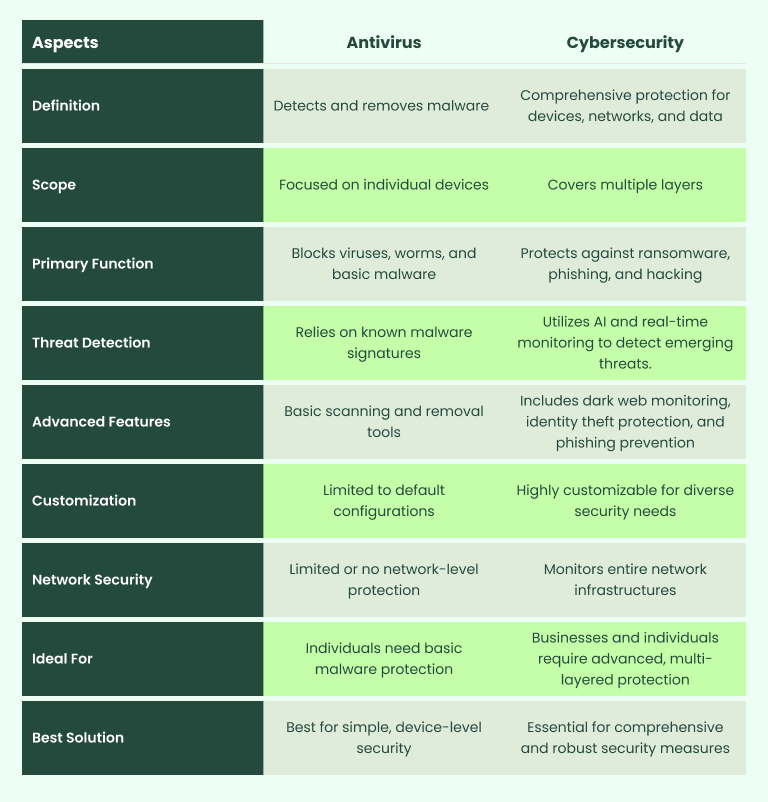
Real digital defense requires a shift in perspective. Instead of treating security like an app subscription you rate on a five-star scale after a painless installation process, we need to look at how these tools handle isolation, least-privilege execution, and actual attack surface reduction. Until our evaluation metrics catch up with the reality of modern threat field, these endless consumer satisfaction sweepstakes are just digital theater.
So go ahead and fill out the survey if a shot at an Amazon gift card appeals to you. Just remember that the highest-rated security suite in a popularity contest isn't necessarily the one keeping your code safe when it truly matters.









