Why a Touchscreen MacBook Pro Might Finally Make Sense
Apple is apparently testing OLED touchscreens and macOS 27.1 on upcoming MacBook Pro models, dragging desktop computing kicking and screaming into the future....
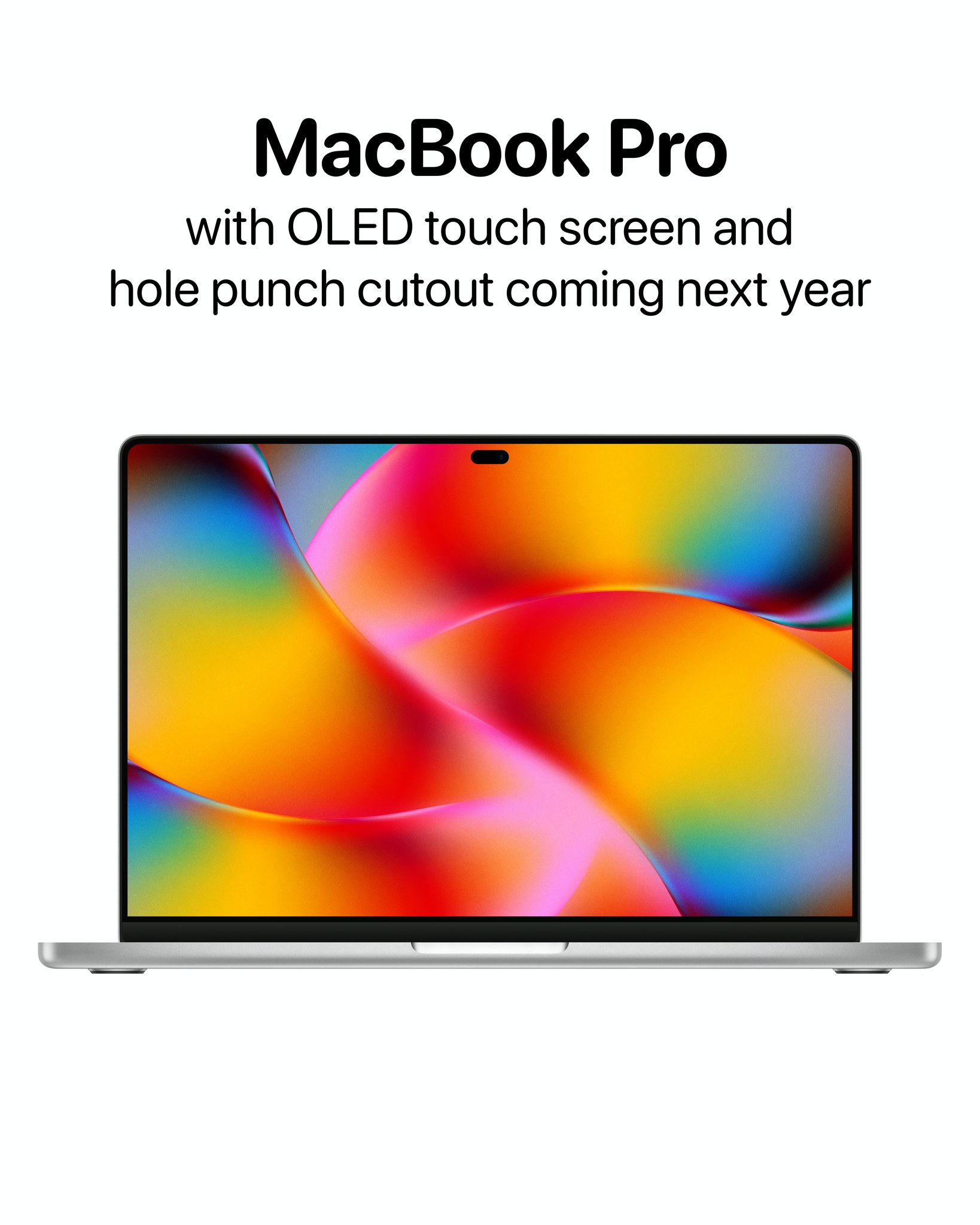
For years, Apple treated the idea of a touchscreen Mac like it was heresy. This Steve Jobs famously called vertical touchscreens ergonomically terrible. And for a long time, he was right. Reaching out to poke a vertical glass panel for hours destroys your shoulders, and macOS was built from the ground up for precise mouse and trackpad inputs. But according to the latest supply chain whispers and insider, oddly, reports. Cupertino is finally getting ready to cross that line with a new breed of MacBook Pro models featuring OLED touch panels.
The rumor mill points to a late 2026 launch alongside macOS 27.1, complete with M5 Pro and M5 Max silicon, a thinner physical profile, and, wait for it, a Dynamic Island replacing the notch. If true, this represents a massive ideological shift. Apple isn't just slapping a phone screen onto a laptop; they are rethinking how high-end pro hardware interacts with software. Paired deep black levels, infinite contrast, and the punchy response of OLED, touch inputs on a laptop might actually stop feeling like a gimmicky afterthought. And the punchy response of OLED, touch inputs on a laptop might actually stop feeling like a gimmicky afterthought.
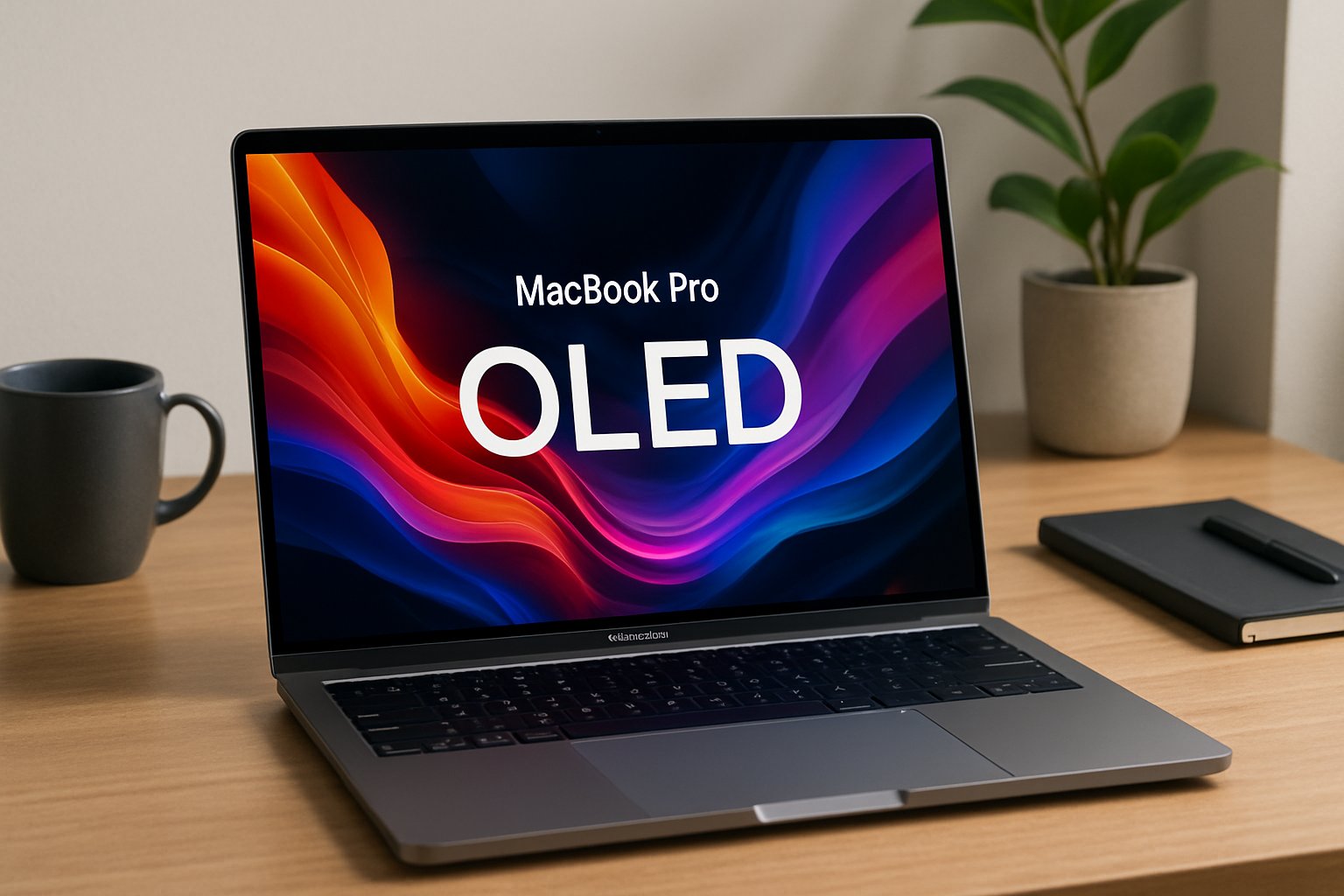
Of course, we have to look past the promo gloss! It a touch-enabled Mac, and this matters, running desktop software raises real UI queries. I mean, every button, menu bar item, and drop-down list in macOS was designed for a cursor with sub-pixel accuracy. But is it really that simple? From what I can tell, it If Apple expects developers and power users to suddenly start smudging their primary screens, the software ergonomics have to be bulletproof. Also, drop-down list in, oddly, macOS was designed for a cursor with sub-pixel accuracy. As far as I know, If Apple expects developers and power users to suddenly start smudging their primary screens, the software ergonomics have to be bulletproof. Just, otherwise, we're paying a massive premium for fingerprints on a gorgeous display.
Still, as someone who spends all day writing code and building software, I cautiously intrigued! This oLED panels on laptops are a long-overdue, and this matters, upgrade. Offering visual fidelity that makes drawn-out coding sessions much easier on the eyes. Sure, and what's the result? But If the touch blend is subtle, optional. For the most part, and genuinely useful for timeline scrubbing or quick canvas handling, it could win over the skeptics. Just don't ask me to give up my mechanical keyboard and trackpad anytime soon.