Why a One-Minute Call With an AI Video Avatar Fooled Almost Everyone
A new AI video avatar just tricked nearly half of test subjects into believing it was human during a brief chat. We need to talk about what this means for digital trust....

The hype cycle around artificial intelligence usually leaves me cold! It mostly because the gap between promo demos and Monday-morning reality is wide enough to drive a truck through. It but every once in a while, a measure drops that forces you to pause. Set down your coffee — and reconsider the timeline. See the pattern? Real talk: in short. A big deal. Take the recent data coming out of Tavus, where a staggering forty-eight percent of participants failed to realize they were talking to a machine during a live video call.
Let that number sink in. Previous iterations of conversational video agents hovered around a pathetic two percent success rate in the same trick department. Suddenly, we have vaulted from stiff, robotic avatars that stutter on every syllable to a fluid, real-time system they are calling Griffin, which processes micro-expressions, vocal tone, and physical gestures well enough to fool nearly half the room in sixty seconds. That is not an incremental update. That is a fundamental phase shift in how synthetic media interacts with human psychology.
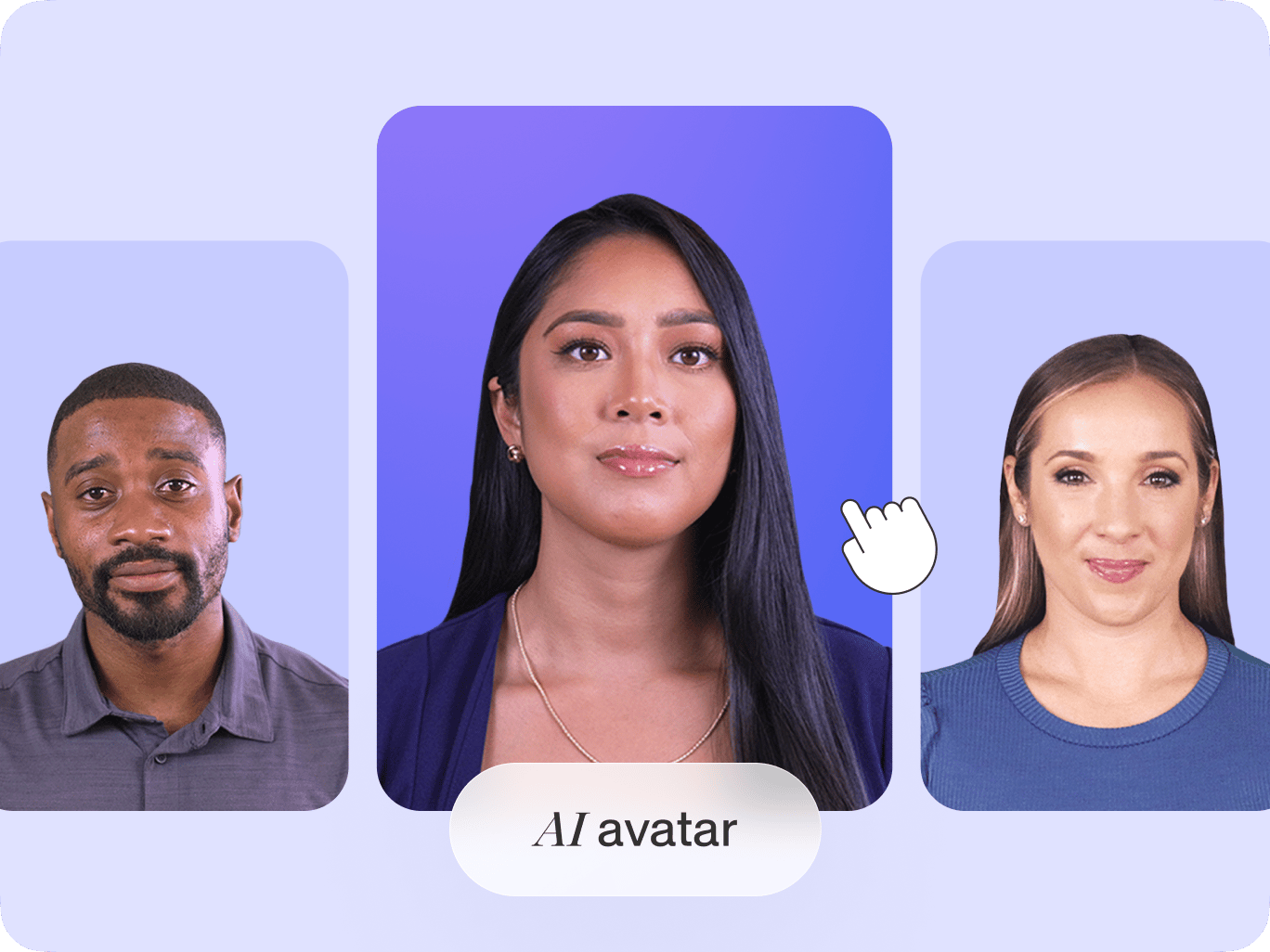
We are entering an era where seeing is no longer believing, and frankly, I find that deeply exhausting. For decades, the video medium has served as the ultimate anchor for truth – our baseline proof of life, identity, and intent. Now, developers are engineering real-time generative models that exploit our default human empathy, turning our willingness to trust a smiling face and a nodding head against us. It weaponizes our social instincts.
Building cool tech is what drives this industry forward! Actually, this craftsmanship without a healthy respect for the societal friction it creates is just digital vandalism. Why does this matter? Still remote talk is about to get wildly complex if a one-minute conversation is all it takes to completely dissolve someone's skepticism. We built the tools to connect the world, and now we are (interestingly) accidentally constructing the tools to make us doubt everyone on the other side of the glass. Call me old-fashioned, but I miss the days when a bug was just a bug. A person on a screen was actually a person.