Why the 1987 VGA connector refuses to die
Almost forty years after its debut, the humble VGA cable is still kicking around. Turns out, simplicity and an open design beat corporate licensing every single time....
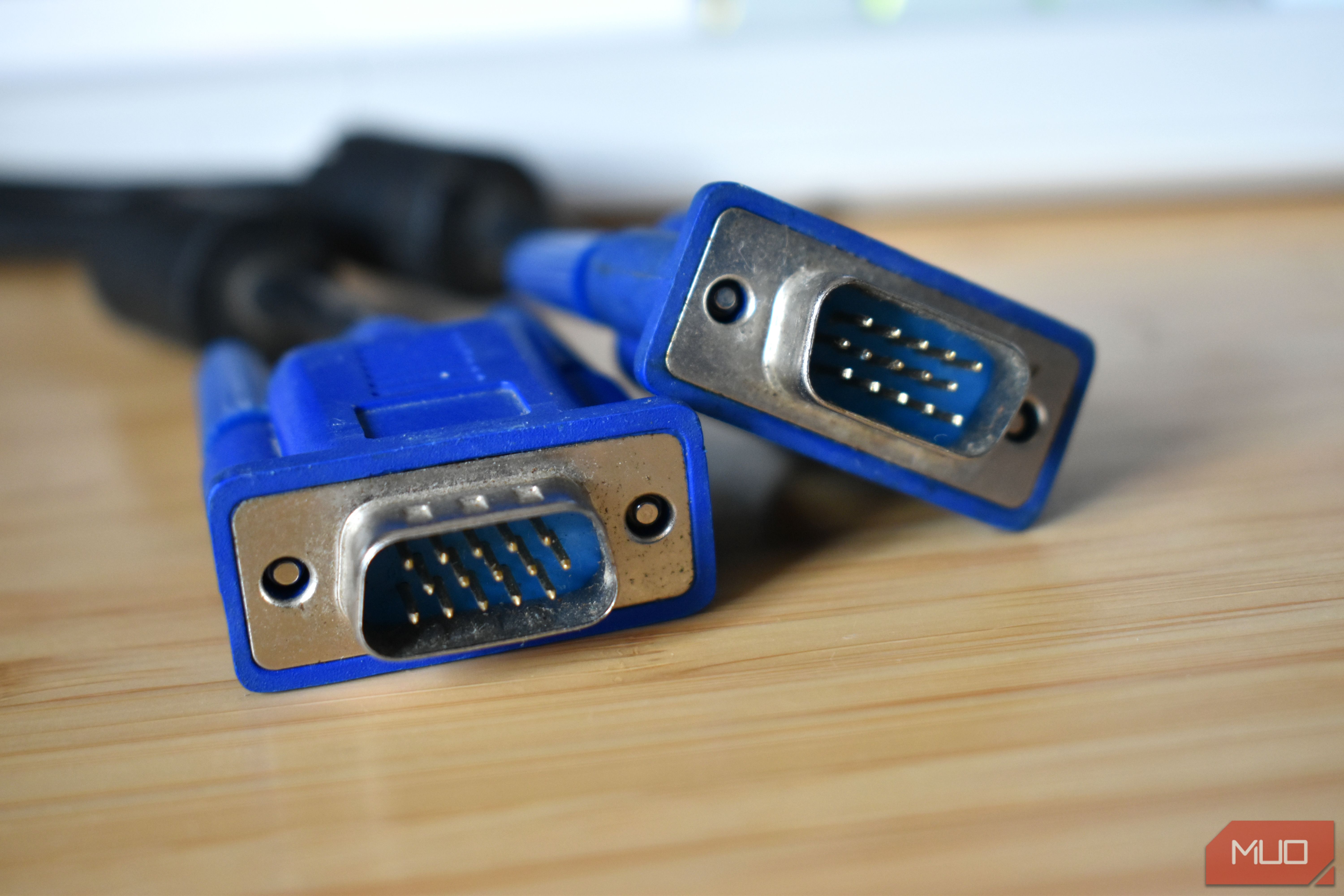
Tech moves fast. We throw out yesterday's hardware before the thermal paste has even dried, chasing higher refresh rates, narrower bezels, and digital perfection. Yet, buried under the desks of factory floors, server rooms, and budget conference spaces all over the world, you will still find a blue 15-pin plug fastened with tiny thumb-screws. The VGA connector was introduced back in 1987 by IBM. It should be dead. Instead, it has outlived generations of sleek, proprietary replacements that promised the world and delivered driver hell.
Why has it stuck around? Because it was built right. By keeping things analog and completely open – free from the parasitic grip of royalties, arbitrary handshakes, and licensing gates – IBM accidentally engineered the most resilient display standard in computing history. You plug it in, and it just works. No HDCP freakouts. No weird EDID negotiation failures refusing to recognize your secondary monitor. It simply maps the RGB signals across separate lines and gets straight to work, scaling way past its original 640x480 specification to handle 1080p without breaking a sweat.

Then came the digital parade of progress. DVI landed with a confusing mess of splintered variants – digital, analog, integrated – turning a simple cable choice into a guessing game of pinouts and adapters. HDMI and DisplayPort brought undeniable pixel sharpness, but they also introduced digital rights management shackles and endless protocol revisions. Each shiny new standard traded frictionless compatibility for feature creep, forgetting that sometimes engineers just want a wire that hooks things up without demanding a secret handshake first.
We could learn a lot from that stubborn blue plug today. Modern software and hardware ecosystems are drowning in over-engineered complexity, where every minor feature requires a subscription, an SDK, or a cloud dependency. We complicate our tooling because it feels sophisticated, ignoring the timeless elegance of doing one simple job exceptionally well. Long after today's fragile protocols are deprecated and forgotten, some old monitor will probably still be glowing softly via a VGA cable. Craftsmanship leaves a mark.









