The AI Inference Revolution Is Here, and It Changes Everything for Builders
Training massive models used to dominate the conversation. Now, the real engineering challenge is the sheer, relentless weight of inference....

For the last few years, the tech world has been entirely obsessed with scale. Quietly, we watched in awe as AI labs poured billions of dollars into training gargantuan models, bragging about parameter counts that ballooned from millions to trillions while ignoring the staggering energy bills and base nightmares that came right along with them. Training was the ultimate status symbol, the shiny object that captured every headline, every venture capital pitch, and each keynote presentation from Silicon Valley to Shenzhen.
That era is well over. Today, the AI inference revolution is here, and it is reshaping the entire hardware and software field from the ground up because people are actually using these tools to build real things. When models stopped being expensive party tricks and started doing actual heavy lifting, the math fundamentally changed. Suddenly, CIOs and engineering leads stopped asking about training runs and started panic-buying compute for the real-time execution phase.
Part of this comes down to how modern models actually work. They are no longer spitting out the first token that pops into their statistical heads; instead, they are running multi-step reasoning loops, burning through twenty times more compute per query just to think before they speak, while autonomous agents spin in the background around the clock chasing complex goals.
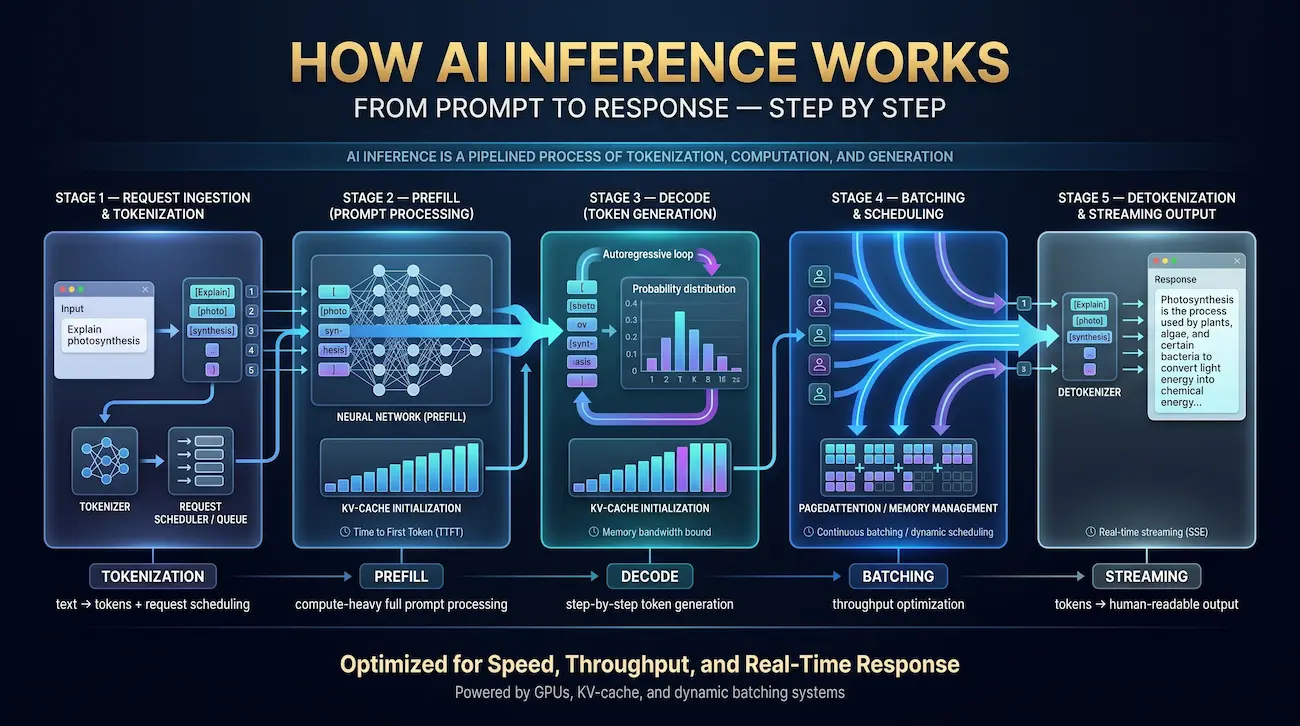
The hardware scramble that followed is nothing short of fascinating. Dinner-plate-sized wafer-scale engines, frantic multi-billion-dollar talent acquisitions. Bizarre alliances between sworn cloud competitors are now standard operating procedure as everyone tries to survive the tsunami of token generation. Training was about accumulating knowledge, but inference is about delivery. Also, delivery requires an entirely different breed of engineering.
Ultimately, this shift is a massive win for practical craft over raw hype. When the dust settles on this chaotic hardware gold rush, the teams that succeed won't be the ones hoarding the most training data, but the ones figuring out how to build fast, lean, and economically viable systems that can handle the endless, grinding demands of inference at scale without breaking the bank.









