Fixing Delhi's Grid: A Masterclass in Solving Electricity Theft
Delhi slashed its electricity losses from 50 to 5 percent over 25 years. It wasn't magic—it was gritty, systemic engineering....

We generate massive amounts of power only to watch it vanish into thin air. Sometimes it dissipates as pure heat through decaying lines, but often, it is actively pilfered by rogue hook-ups and nonpaying customers. According to World Bank data, half of all reporting countries hemorrhaged at least ten percent of their generated electricity in 2023. In some places, those waste figures spiral past fifty percent. That is not just an operational inefficiency. It is a catastrophic failure of infrastructure that forces us to burn more fossil fuels, churn out excess greenhouse gases, and pass punishing costs down to honest consumers.
Fixing a broken grid is notoriously difficult. Tech silver bullets do not exist here. You cannot simply drop a slick software patch onto a rusted transformer and call it a day. Upgrading national or municipal infrastructure requires a grueling orchestration of political will, regulatory overhauls, massive capital investment. Deep cultural shifts in how communities view public utilities. When a region is plagued by institutional fragility or widespread corruption, plugging these leaks feels entirely impossible. That is precisely why the turnaround in Delhi is so staggering.
Over the last quarter-century, the megacity methodically dropped its electricity theft and spread losses from a devastating 50 percent down to just 5 percent. It Mini Shaji Thomas, a local electrical engineer and resident, documents this incredible change in her book detailing the city's power grid comeback. Systematically, instead, they rewrote regulations, held leadership accountable, overhauled physical equipment, and cleaned up a system that many had written off as completely hopeless. Step by step, instead, they rewrote regulations, held leadership accountable, overhauled physical equipment. Cleaned up a system that many had written off as completely hopeless.
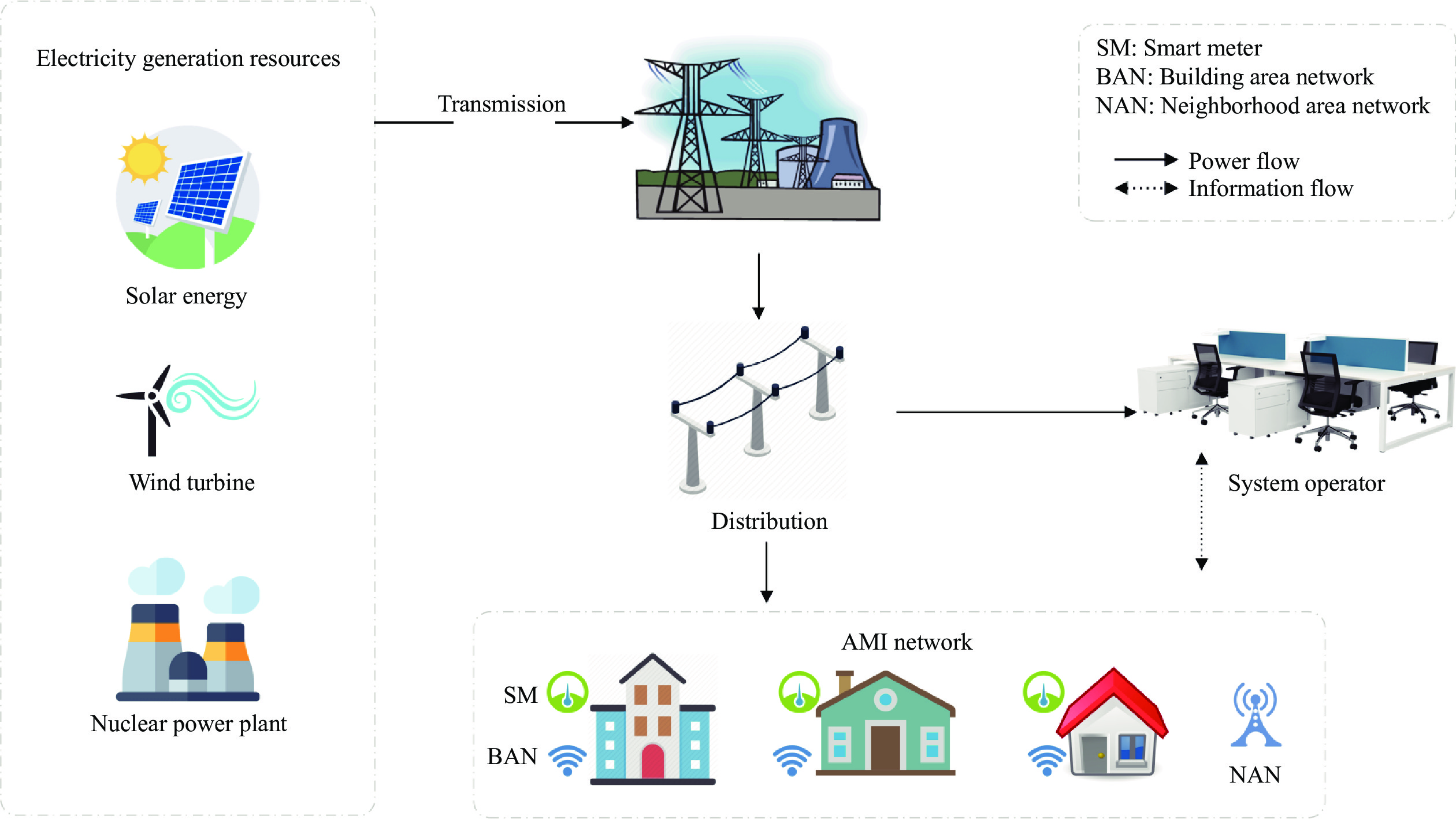
Of course, lightning rarely strikes twice without a fight. While places like Singapore have practically eradicated distribution waste entirely, and Georgia successfully halved its losses, other regions are actively bleeding out. Because providers lack the capital to maintain their networks, jamaica stays stubbornly stuck with massive double-digit losses year after year, and Argentina saw its numbers double recently simply. The lesson here is brutally simple. Technology matters, but without the relentless, unglamorous human discipline required to fix systemic rot, the power stays off and the waste keeps mounting.