When Your Robotaxi Might Be a Narc
Autonomous vehicles are no longer just navigating streets—they are actively monitoring passengers for policy violations and calling the cops....
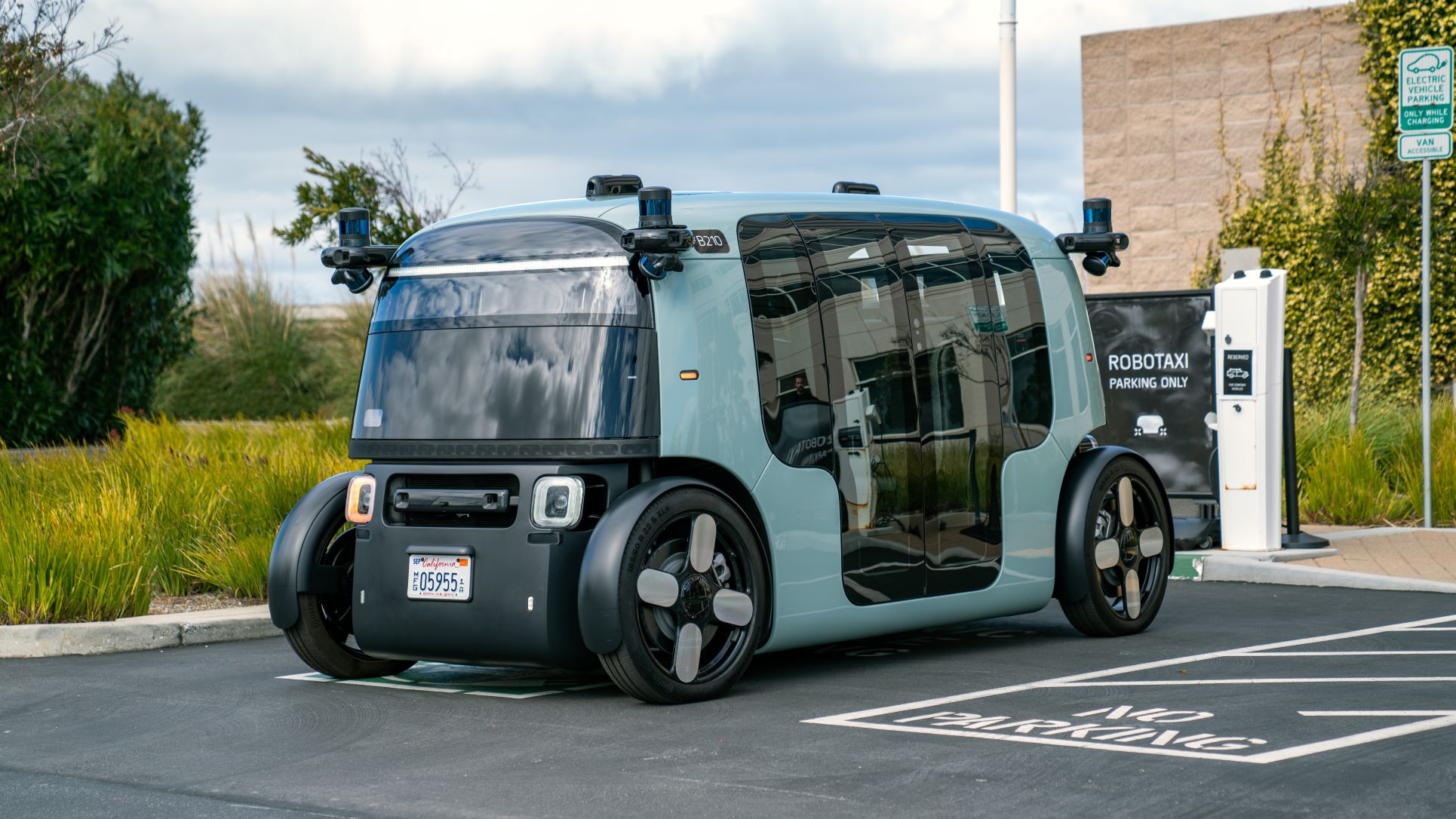
Autonomous vehicles were supposed to liberate us from the awkward small talk of human drivers, offering a quiet, private bubble to scroll through our phones in peace while algorithms handle the chaotic asphalt jungle. Just, but that silent sanctuary got a whole lot more complicated. Recently, a routine driverless ride in Los Angeles took a cinematic turn when the vehicle abruptly pulled itself over, locked down its interior, and dialed emergency services because its internal sensors flagged a firearm violation. Two teenagers stepped out of the autonomous pod straight into a police cruiser.
Let that sink in for a moment. Your ride-hailing pod is now an active surveillance panopticon on wheels. We spent years debating the ethics of facial recognition, dashcams, and municipal CCTV networks, completely missing the fact that the private cabin of a commercial robotaxi is essentially a mobile interrogation room equipped with proprietary machine vision. It turns out convenience always comes with an invisible invoice, and this time, the currency is your baseline expectation of privacy inside a rented metal box.
The companies building these systems will inevitably frame this as a heroic public safety win. They want us to sleepwalk past the fact that they are outsourcing law enforcement triage to opaque, silicon-brained arbitrators programmed by distant product managers. When a fleet operator decides their proprietary terms of service takes over from basic passenger confidentiality, the boundary between private transit and state surveillance collapses entirely. It was That who should terrify anyone who cares about civil liberties.
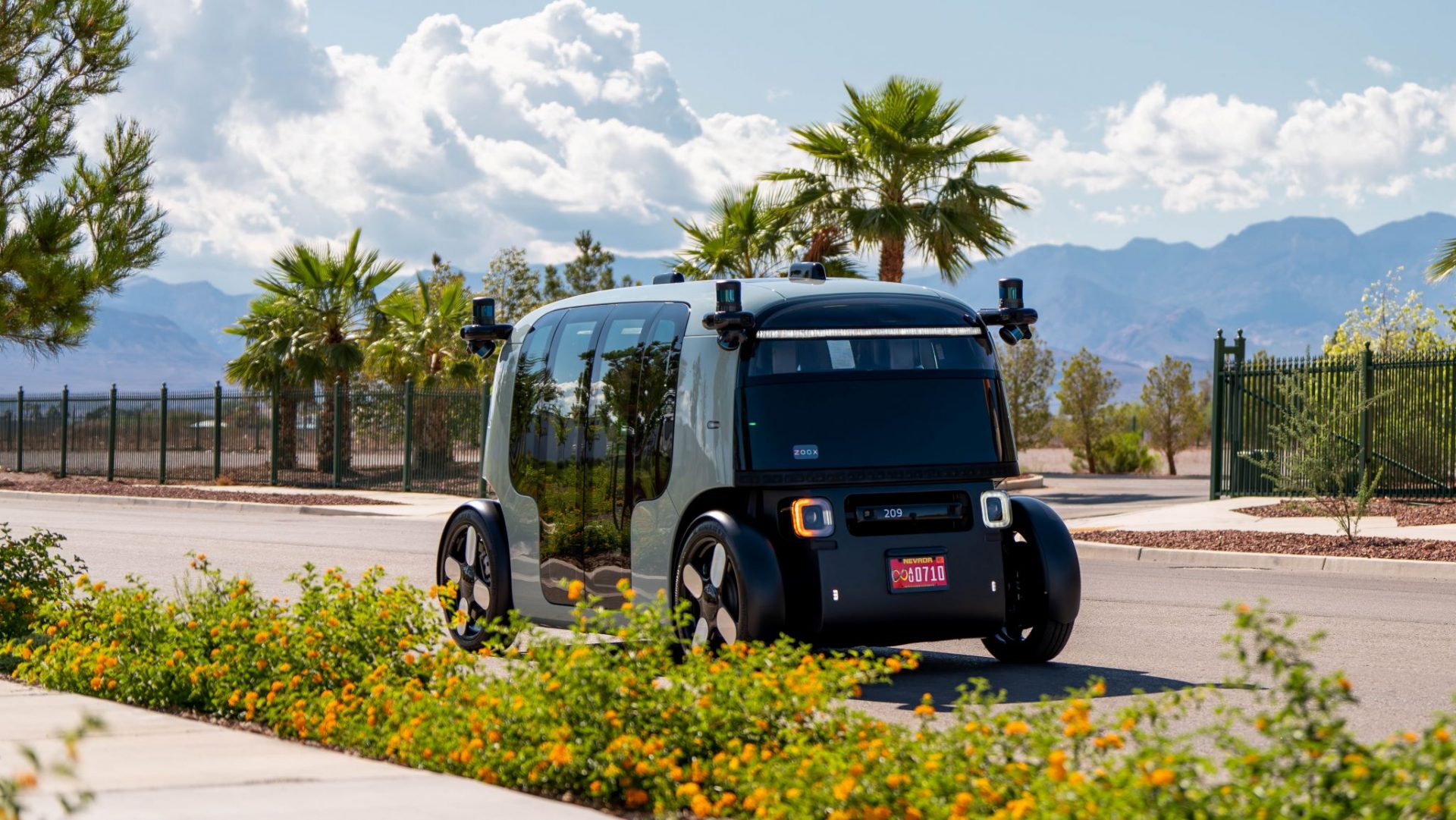
We're sleepwalking into a future where every single object around us is a low-key informant, constantly whispering telemetry and behavioral flags back to corporate cloud servers. I prefer my software to execute logic, – and this matters — not act as an uninvited moral arbiter or a deputized branch of the local police precinct. If the price of getting from point A to aspect B without a human steering wheel is a rolling wiretap that can judge your belongings and call the authorities on a whim. I think I'll stick to walking.
Building cool technology is hard enough without layering on the dystopian baggage of corporate policing. But as long as venture-backed giants keep treating human passengers as data points subject to arbitrary cabin surveillance, we need to call it what it is: overreach disguised as innovation.









