Why AstaBrief Matters for Local Scientific Report Generation
Open-sourcing AstaBrief proves that small, fine-tuned models can beat lumbering giants at specific domain tasks—especially when local privacy and raw speed are non-negotiable....
Most frontier AI models are engineered to be hyper-generalists. They try to write poetry, debug code, and analyze legal briefs all at once, which usually leaves them bloated and expensive to run. But science has no patience for Jack-of-all-trades hallucinations. When researchers ask an LLM to blend literature, they need strict citation grounding and zero drift into creative fiction. That's why I sat up straight when I saw the team behind Asta drop AstaBrief 8B into the wild.
Instead of leaning entirely on sluggish proprietary behemoths, they built a compact model explicitly tailored for scientific report generation. The secret wasn't just raw parameter scaling. They curated tens of thousands of real research queries, applied rigorous citation filters, and completely re-architected the generation pipeline to draft full reports in a single pass rather than crawling along section by section. The outcome is astonishing. Generation times plunged nearly tenfold compared to standard reasoning models, slashing waiting periods from minutes down to seconds while keeping evidence strictly anchored where it belongs.
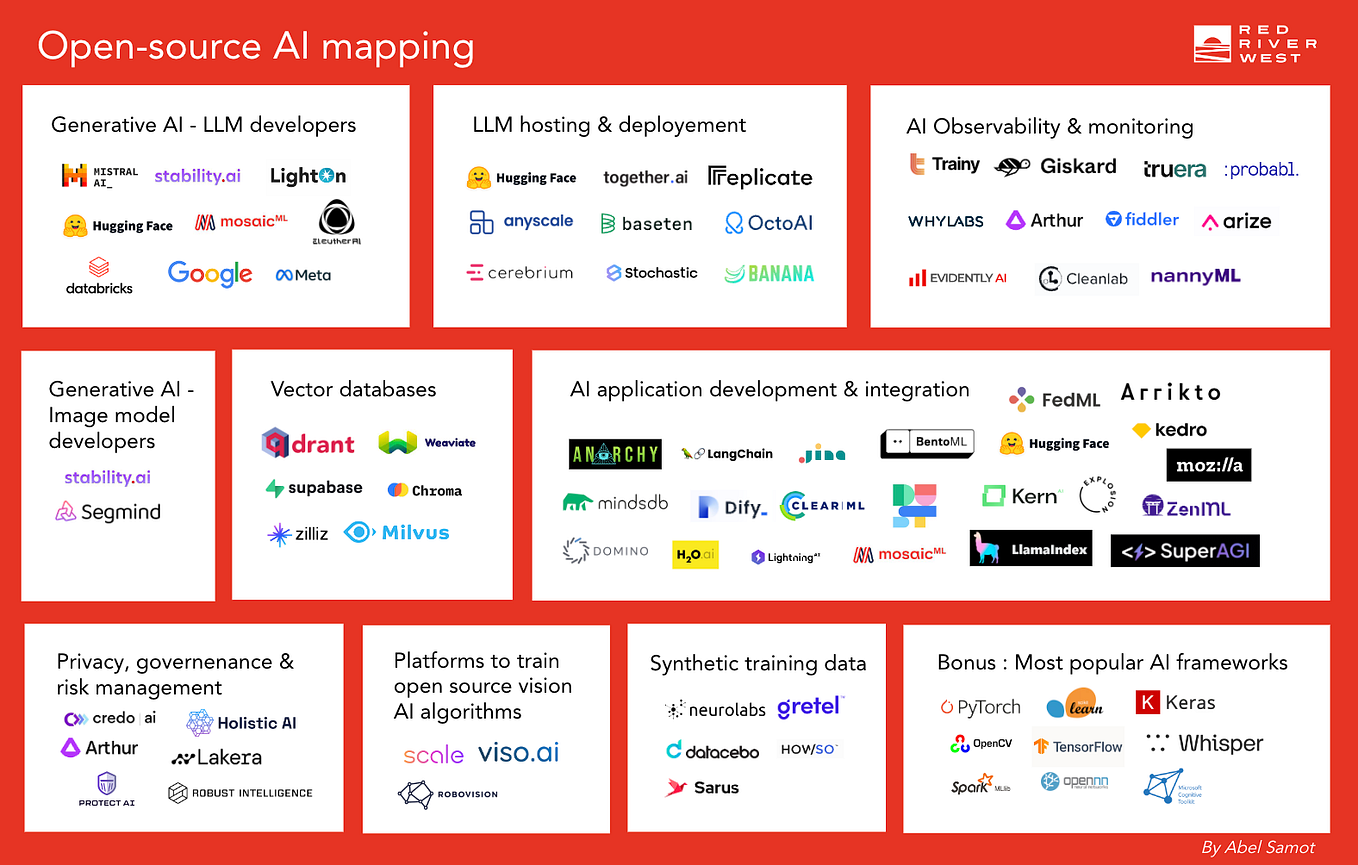
Also key is the decision to open-source the weights and training data! This too many AI labs lock their proprietary steps behind API paywalls, treating user privacy as an afterthought. But is it really that simple? For academic institutions and corporate R&D teams — oddly — handling sensitive, unpublished data, sending proprietary queries to a third-party cloud endpoint is a non-starter. Roughly speaking, dropping an 8B model that can run locally changes the calculus entirely. You keep your data actually own your tooling, on your own iron, and cut — no, wait, your inference costs — in a way.
This is the exact kind of pragmatic engineering I love to see in the ML space. We do not need another trillion-parameter model that can hallucinate a Shakespearean sonnet faster. We need sharp, specialized, open tools that solve real bottlenecks for people doing actual work.