The FAA's New AI Air Traffic Tool Is a High-Stakes Bet Worth Watching
The FAA is quietly deploying an AI traffic tool above Washington, DC. It is a massive engineering test where failure isn't an option....
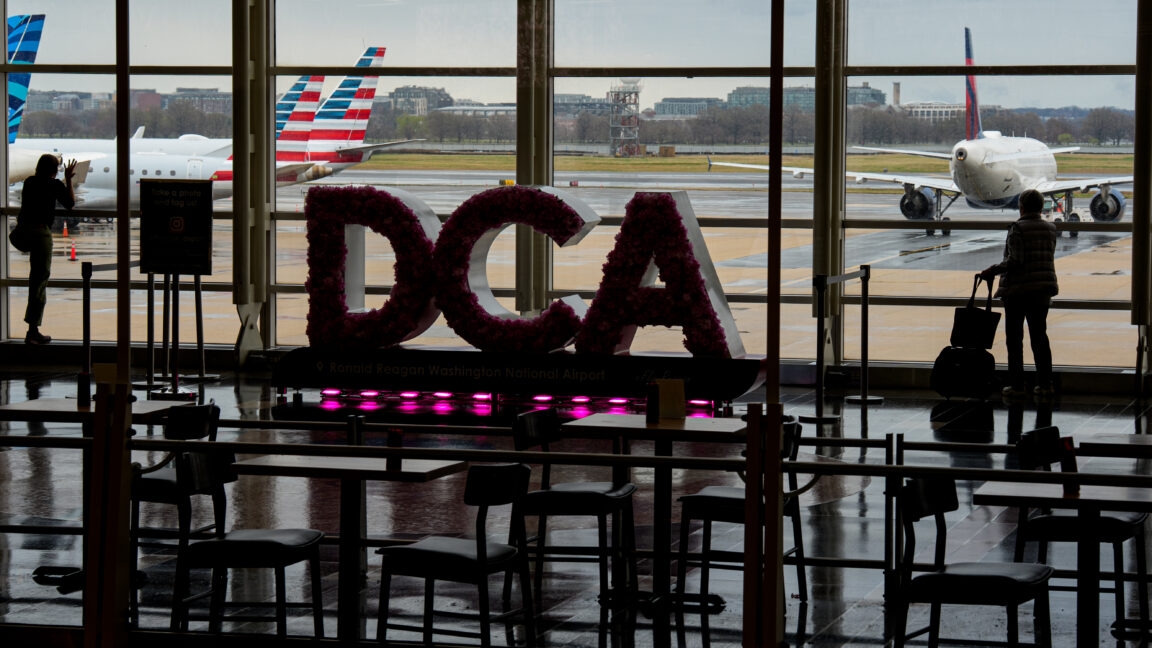
Software eats the world, and now it's climbing into the skies. The Federal Aviation Administration is quietly preparing to drop an artificial intelligence system called SMART into the fiercely congested airspace surrounding Washington. DC. If this limited rollout goes well, it enables a nationwide deployment touching every single corner of American skies. That's a staggering amount of scale for a brand-new, predictive tech stack.
Let us be honest about the stakes here. Aviation software has zero room for casual debugging or move-fast-and-break-things recklessness. When an enterprise app crashes, someone refreshes a browser. When critical air traffic control infrastructure miscalculates, lives are on the line. Yet, the pitch for this new tool sounds reasonable on paper: crunch massive streams of weather data, airline schedules, and airport capacities to help humans spot bottlenecks before they cascade into system-wide meltdowns.
Smart scoping is what keeps me cautiously optimistic about this deployment. Former FAA insiders have rightly pointed out that tackling the DC corridor first – instead of attempting a messy, overnight continental rollout – drastically shrinks the unknown variables. Building complex systems means respecting boundaries, isolating failure domains, and testing against reality in controlled bursts.

Naturally, the rollout hasn't been frictionless. Airlines reportedly spent weeks scratching their heads, worrying that mysterious algorithms might spontaneously alter flight procedures without warning. Relief only arrived when regulators clarified a key boundary: the software merely suggests alternative routes through existing channels rather than seizing the wheel. It is an advisor, not an autopilot.
Rather, we need more of this practical engineering mindset in modern tech – systems designed to assist human operators than replace their judgment outright. Honestly, the real test begins the moment this software faces its first severe thunderstorm season over the capital. When the pressure spikes, closely, I'll be (interestingly) watching to see if the setup holds up.









