When Military AI Targeting Systems Turn Bureaucratic Errors Into War Crimes
The Pentagon's recent admission exposes the grim reality of military AI targeting systems: they don't need consciousness to destroy lives, just stale data and blind human trust....

We need to talk about what happens when Silicon Valley's favorite buzzword meets the brutal calculus of modern warfare. For months, reports have surfaced detailing how the United States military integrates machine learning into its combat operations. Now, a devastating Pentagon investigation into a February airstrike that obliterated an Iranian girls' school and killed over 120 children reveals a terrifying truth. It wasn't a rogue machine waking up with malice in its code. It was something far more mundane, and infinitely more dangerous.
According to leaked findings, that massacre was the horrific product of outdated intelligence combined with an over-reliance on an automated targeting apparatus. Military investigators described a cascade of minor clerical failures. Dusty data fed into a black box. Yet instead of catching these discrepancies, operators outsourced their skepticism to the algorithm. The software fast-tracked a missile strike because the system said go, smoothing over human doubt with the sleek veneer of data certainty.
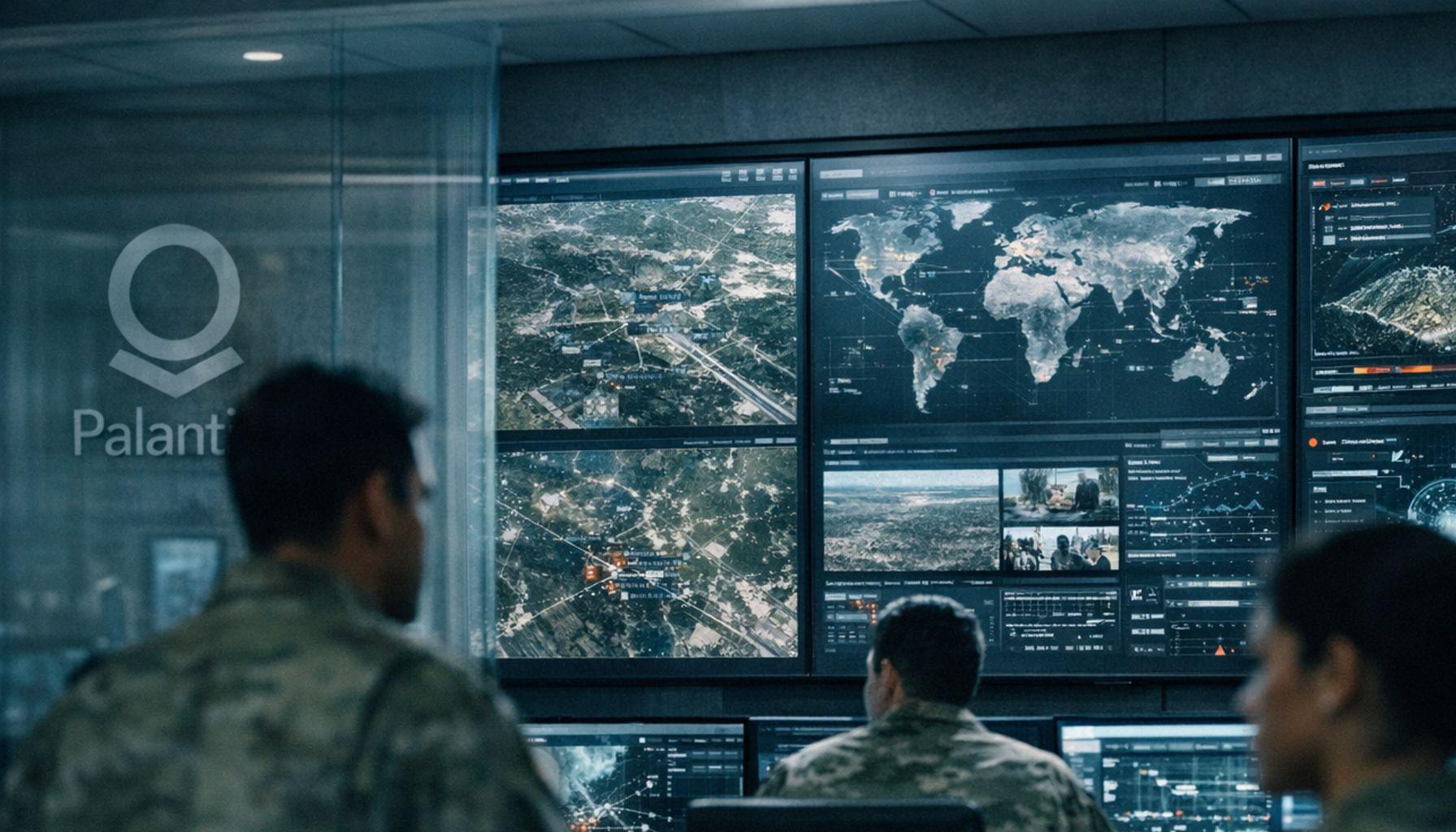
This is the myth of neutral technology colliding with reality in the bloodiest way possible. When leaders treat software outputs as infallible truth, automation becomes a laundering machine for human negligence. [IMAGE]
We are told that algorithms bring precision to chaos. They supposedly eliminate human bias and reduce collateral damage through cold, mathematical efficiency. But garbage in still means slaughter out. When you feed stagnant intelligence into a system designed to optimize destruction, you aren't upgrading your military capability – you are simply accelerating how fast you can make catastrophic mistakes.
The most chilling part isn't that the software failed. It's that the architecture worked exactly as intended, processing inputs and generating lethal directives without ever pausing to ask if the school grounds it targeted were actually a legitimate threat. Until we stop hiding our accountability behind lines of code, these systems will keep doing what they were built to do, one tragic error at a time.