Why Most Corporate AI Adoption Fails—And How One Law Firm Got It Right
Forget mandatory quotas and generic training. True enterprise AI adoption happens when leadership actually rolls up their sleeves and proves the tools work....
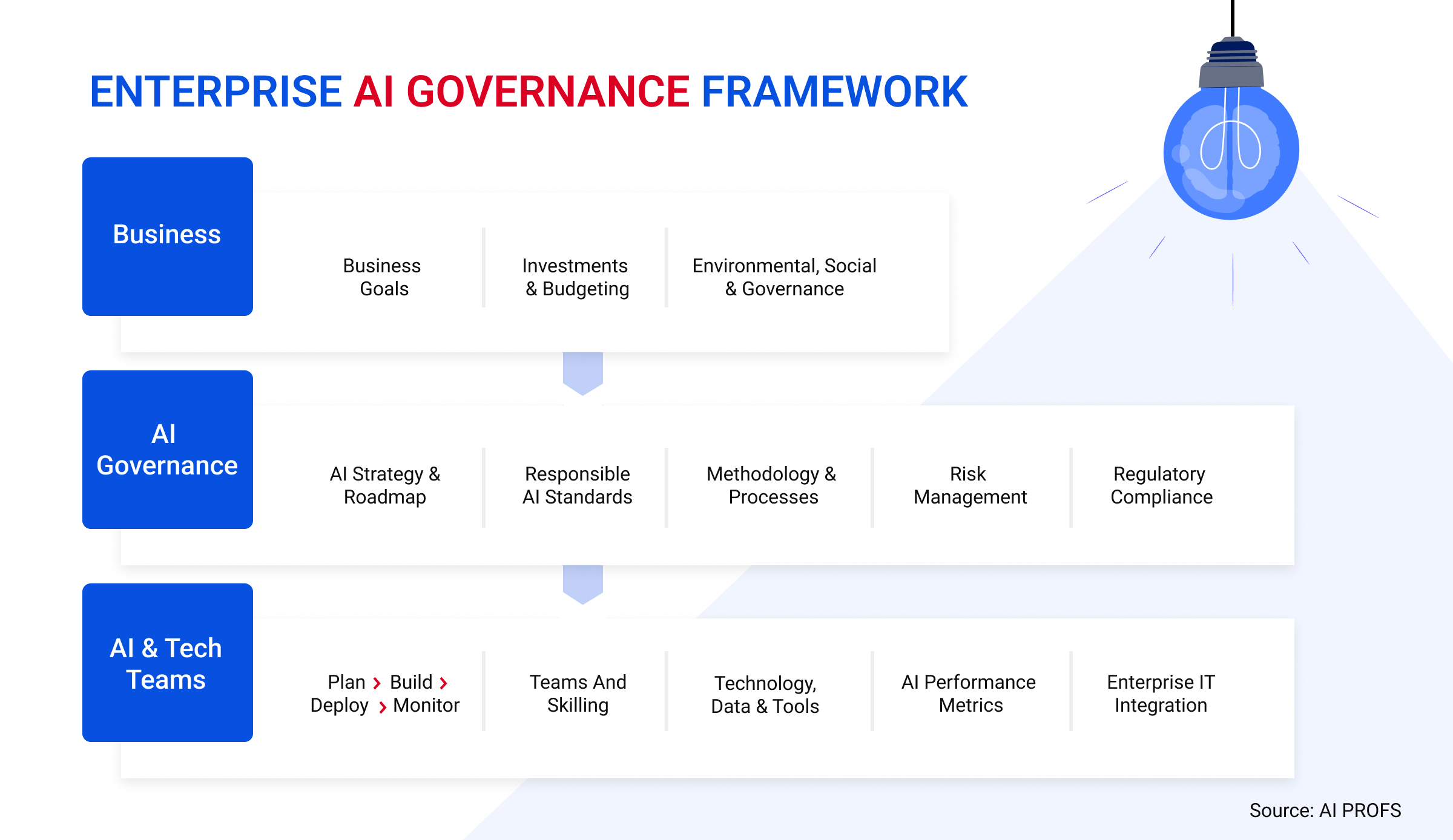
Most enterprise AI rollouts are dead on arrival. Leadership buys a thousand seats, drops a generic Slack announcement about innovation, and waits for miracles. Spoiler alert: they get crickets. Employees treat the new software like yet another bureaucratic checkbox, adoption charts flatline, and executives eventually blame the technology instead of their own uninspired strategy. It is a predictable cycle of wasted capital.
Then you look at what corporate law firm Gilbert + Tobin pulled off with OpenAI. They managed to hit an astonishing 87% active usage rate across enabled seats. The that's more than double what they typically see for any standard internal software. How did they pull it off? They refused to treat generative AI as a magic bullet, focusing instead on practical workflow acceleration.
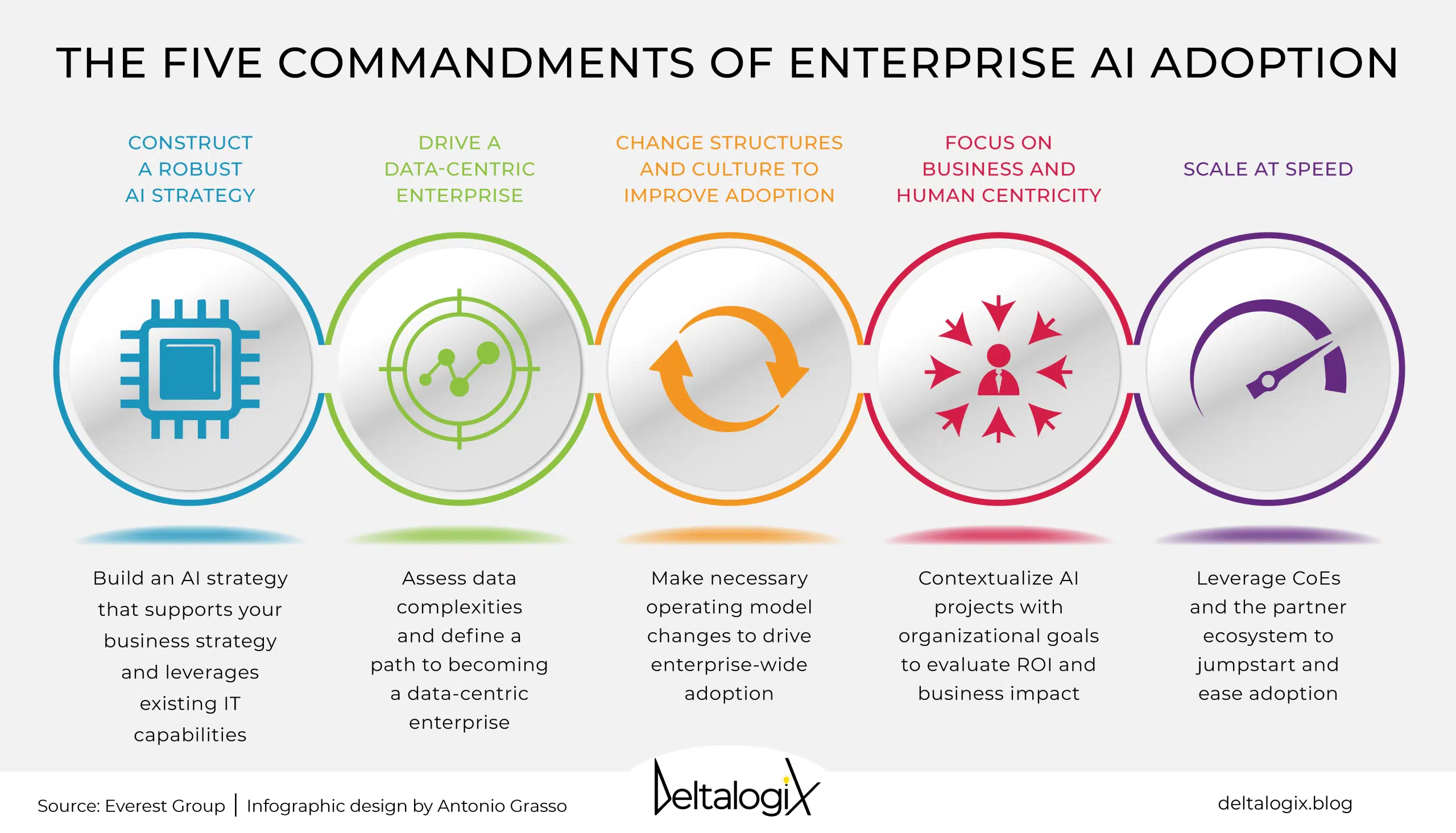
Instead of forcing top-down mandates, their CEO Sam Nickless simply showed up and proved the utility himself. He used ChatGPT openly for his own daily tasks, explicitly telling his staff that using these models isn't cheating. It is just another tool to sharpen human judgment. That distinction matters. When leadership normalizes experimentation rather than threatening displacement, people stop fearing the software and start finding clever ways to make their lives easier.
They also skipped the boring slide decks. The business transformation team embedded themselves directly into departmental meetings, building custom workflows for recruitment, finance, and marketing right there on the spot. They shaved hours off compliance checks and audit prep. By respecting the craft and keeping humans firmly accountable for the final output, they built something rare in the modern corporate field: genuine, ground-up enthusiasm for new tech.









