Meta's Camera-Free Smart Glasses Can't Hide the Real Problem
Meta is reportedly dropping a camera-free version of its smart glasses after a brutal privacy backlash. But losing the lens doesn't fix the underlying issue....
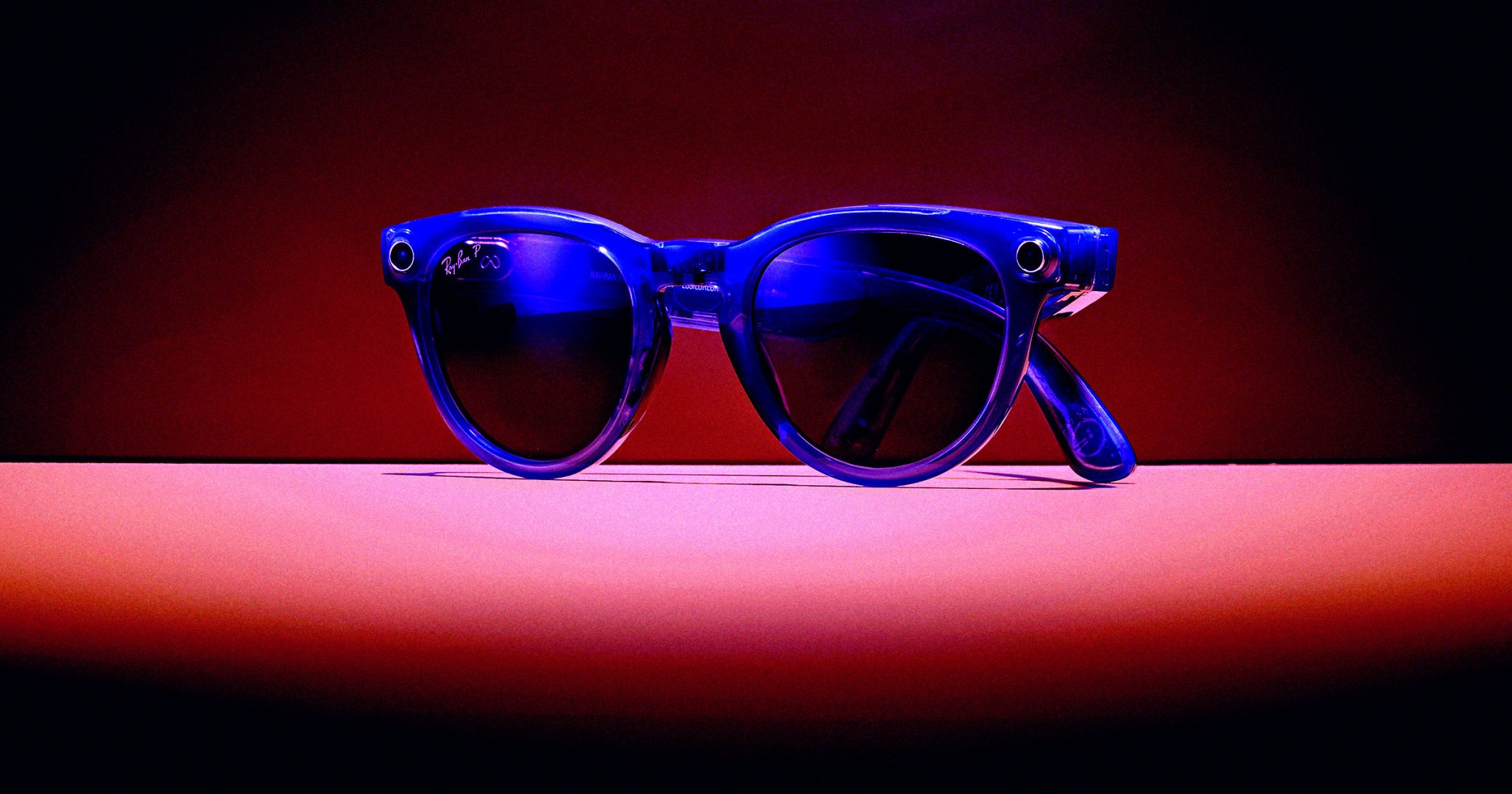
It turns out that building ubiquitous, discreet surveillance hardware and handing it to the general public comes with a few social friction points. Who could have possibly predicted this? For a minute there, Meta’s camera-equipped smart spectacles were flying off the retail shelves and basking in glowing tech reviews. Then reality set in. The hardware quickly earned a rather toxic reputation as a preferred tool for creeps and abusers, culminating in a severe public relations nightmare that left normal owners too embarrassed to wear them outside.
Now, according to recent leaks, Zuckerberg and company are pivoting hard. They are reportedly prepping a camera-free variant codenamed Luna for a debut at their upcoming Connect conference. Meta is scrambling. They are desperately trying to дистанцироваться from the fallout, even resorting to remotely bricking the devices of notorious influencers who turned the glasses into instruments of harassment. But stripping out the camera lens feels less like a bold hardware evolution and more like a panicked tactical retreat.
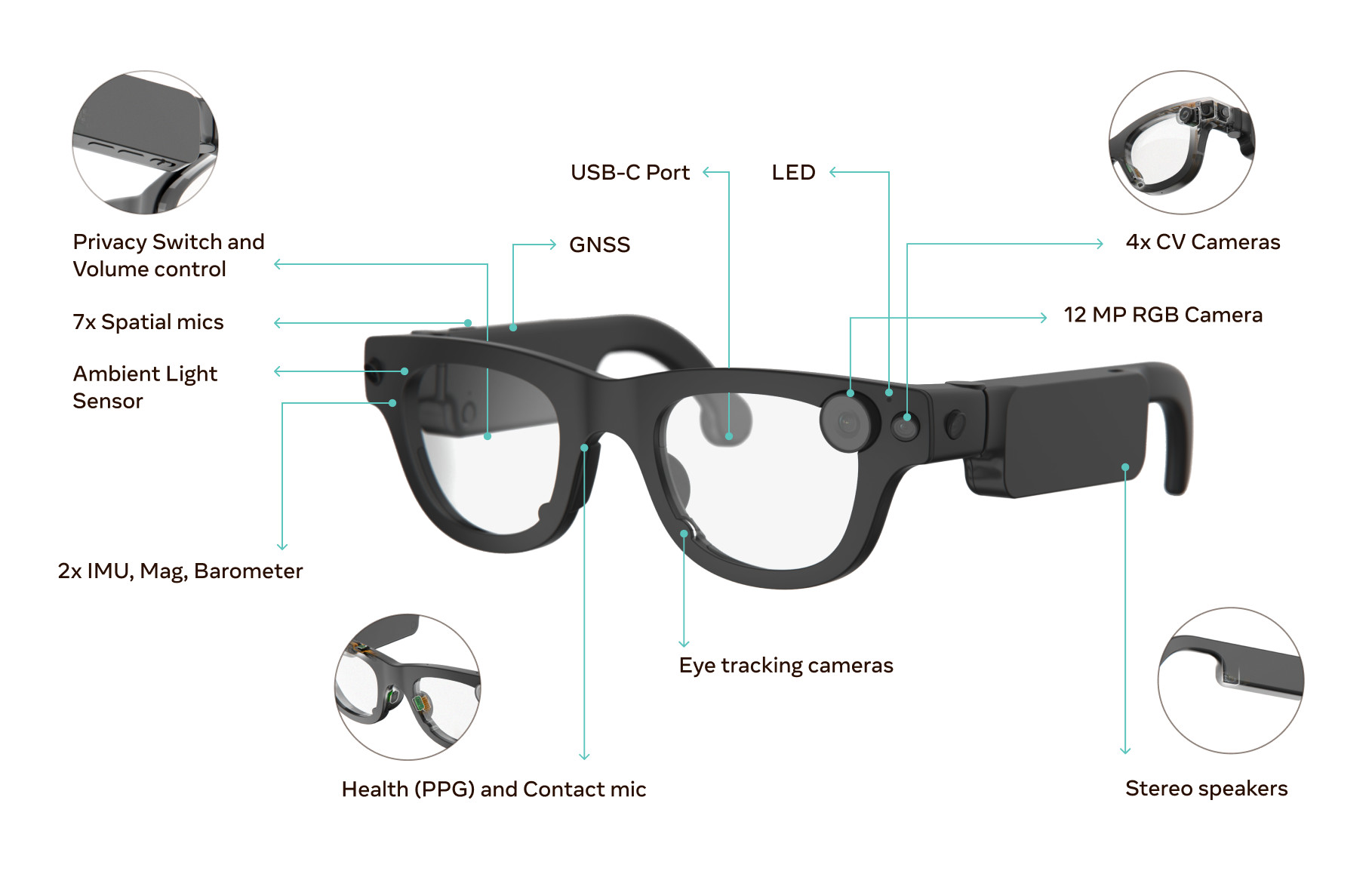
Let's be completely honest for a second. The removal of the camera is a superficial fix designed to dodge the firing line of public opinion, because Project Luna is still packed with six microphones engineered to feed Meta’s aggressive AI ambitions. [IMAGE]
Think about that for a moment. You are walking down the street, sitting in a coffee shop, or minding your own business on public transit, and someone nearby is casually chatting with an always-on ambient recording device. Bystanders rarely consent to being audio-mined by a trillion-dollar data broker's machine learning model. Trading a visible camera for a cluster of hidden mics doesn't magically restore user trust. It just trades optical voyeurism for passive eavesdropping.
We are watching a desperate collision between hype-driven product design and basic human boundaries. When hardware ships without proper forethought regarding consent, dignity, and privacy, the market eventually bites back. Meta is about to run a very expensive experiment to find out if anyone actually wants to buy an expensive piece of face-computer strictly to talk to a half-baked chatbot. My bet? The silence will be deafening.