Why Google's free Pixel VPN won't replace my real subscription
Google built a free VPN into modern Pixel devices, but artificial hardware limits and missing power-user features mean I'm keeping my paid subscription....
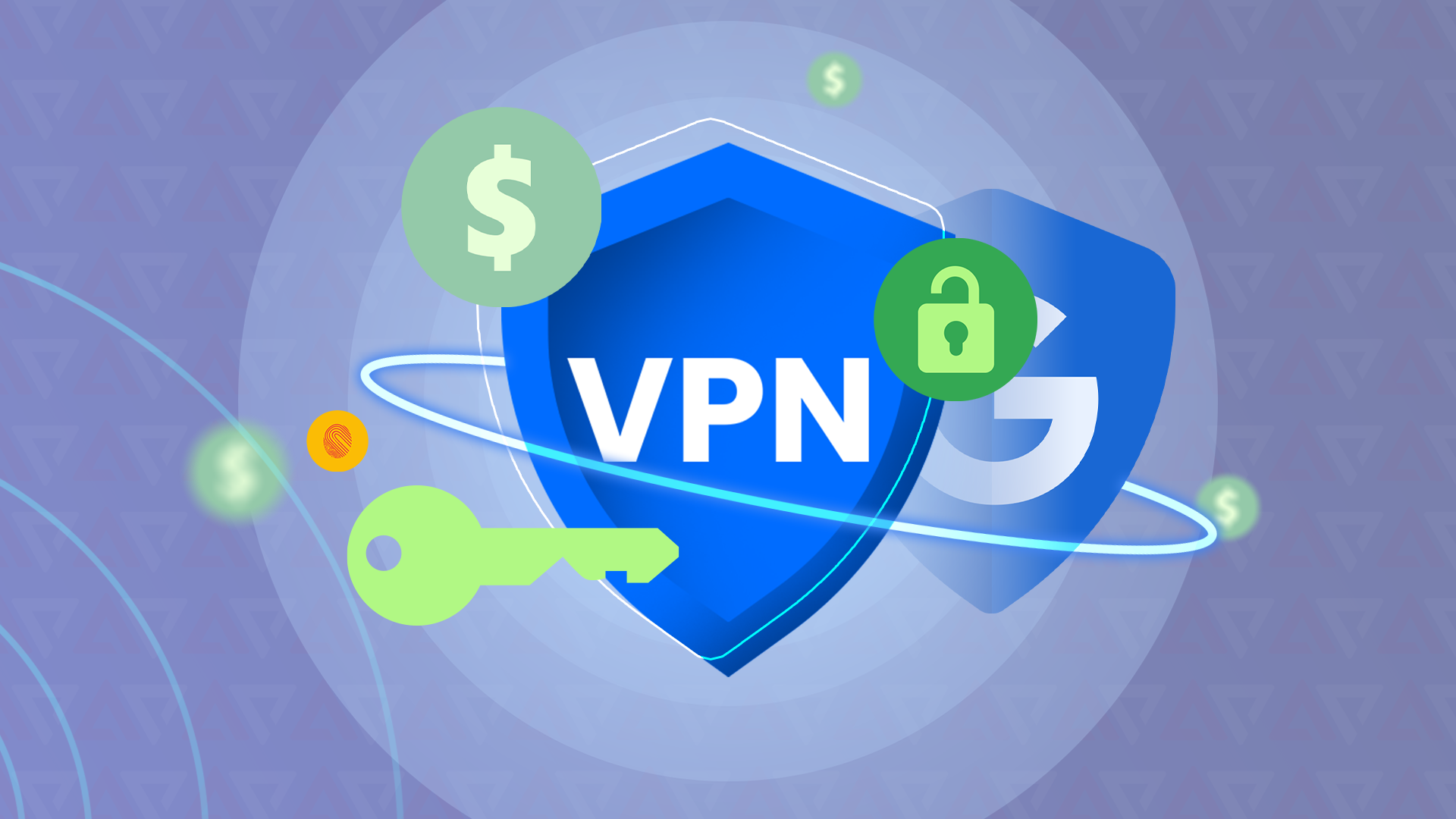
Tech giants love bundling "free" security features into hardware, hoping you will mistake a shiny convenience for a solid utility. When I picked up my Pixel 8, I immediately tested the built-in VPN by Google to see if it could finally displace my paid provider. It encrypts traffic on public Wi-Fi, sure. It even uses clever cryptographic tricks like blind signing to keep the mothership from tying your browsing habits directly to your personal Google account. But let's be entirely honest about what this service actually is: a walled-garden gimmick engineered to lock you deeper into a specific ecosystem rather than a serious tool for digital privacy.
The basic problem hits you the — oddly — moment you step outside the carefully curated confines of Google's hardware lineup. Look, the if you own an older phone, a laptop, or an iPad, you're completely out of luck. There is no desktop app, no router blend! The so what changed? Still, certainly no support for rival Android manufacturers. A real VPN protects your entire digital footprint across every machine you touch, everywhere you go. Plus, i think, strictly, google — oddly — ' s iteration is tethered to your phone. Demanding newer hardware while completely ignoring the multi-device reality of modern computing.
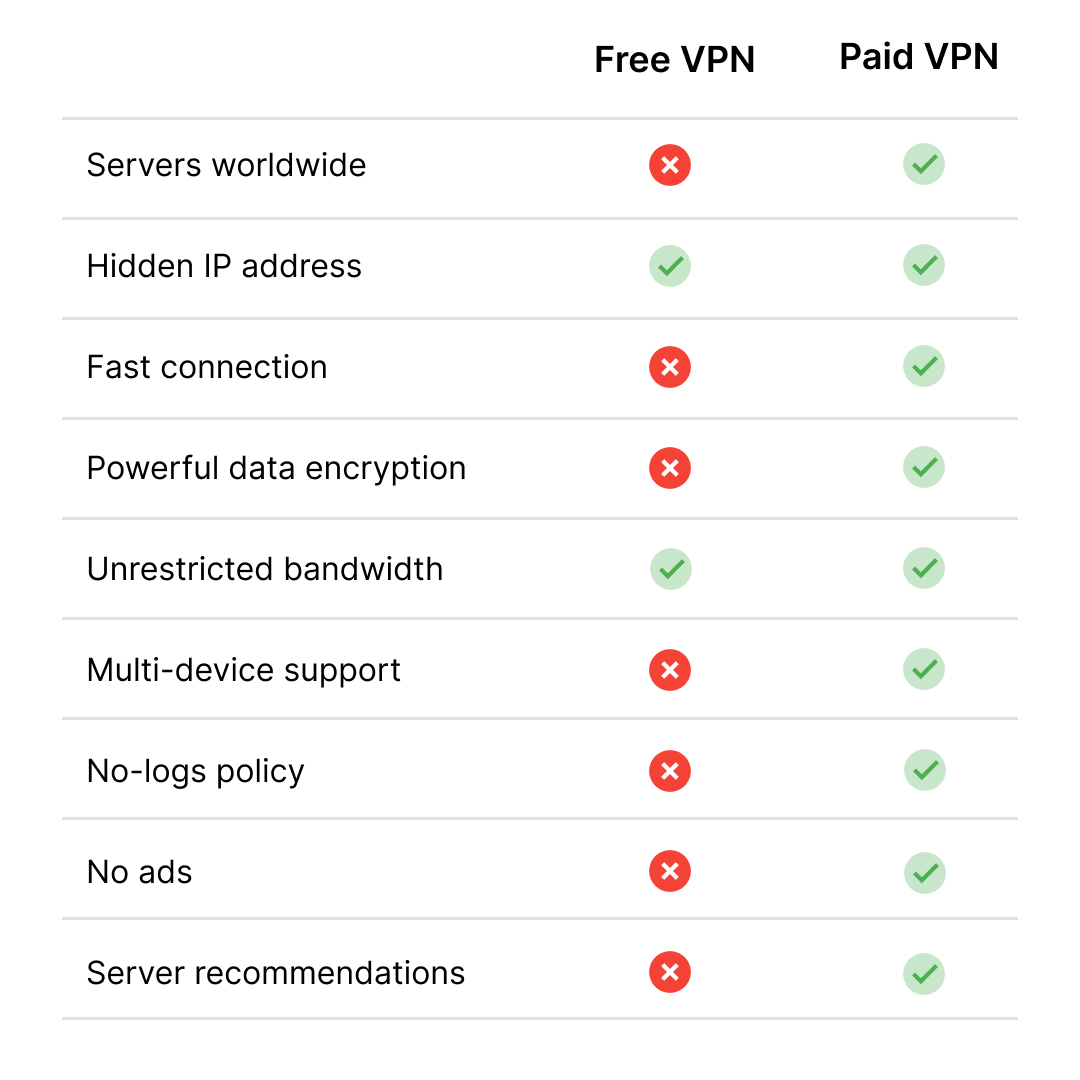
Then there is the glaring absence of basic power-user controls that anyone who actually travels or works remotely relies on daily. You cannot pick a specific exit node or country to bypass geo-blocks, meaning international streaming and region-hopping tasks are dead on arrival. It functions as a blunt instrument. It scrambles your data packets between point A and point B, but offers zero flexibility beyond that baseline encryption.
Convenience is fine, but true digital sovereignty requires actual control. Until big tech starts building privacy tools that respect an open web and cross-platform workflows, I will gladly keep paying for a dedicated subscription that does the job right.