Claude Opus vs Gemini Pro: Which AI Model Deserves Your Monthly Subscription?
I tested Claude Opus against Gemini Pro on everyday developer tasks. The winner made me cancel one of my recurring AI subscriptions....
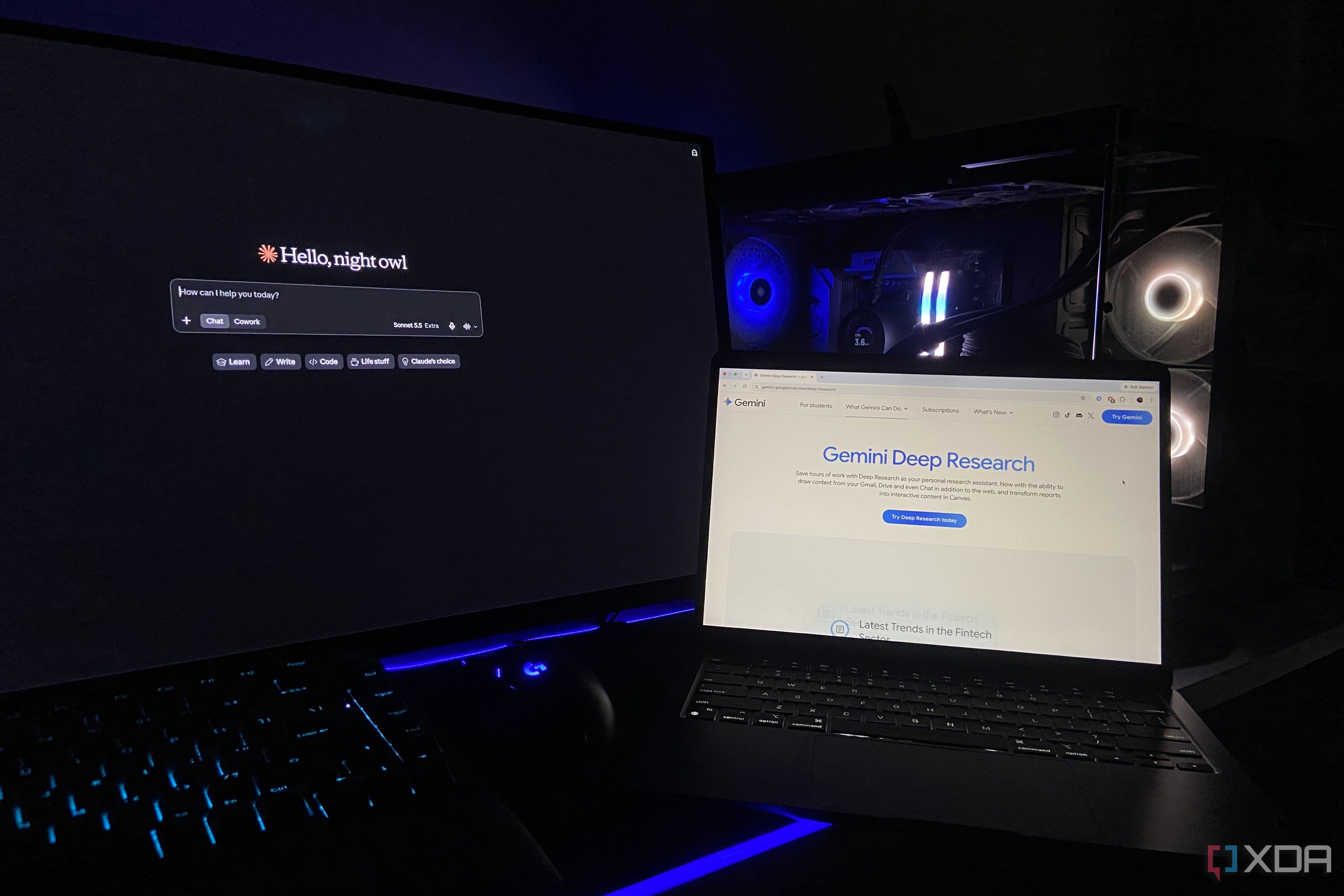
Most of us practice software landlordism without realizing it. We punch our credit cards into an AI ecosystem and stay put purely out of sheer inertia, ignoring the quiet tax it levies on our daily output. Migration fatigue is real. Moving context windows, relearning prompt quirks, and exporting chat histories feels uncomfortably like moving apartments in the middle of a brutal heatwave. And exporting chat histories feels uncomfortably like moving apartments in the middle of a brutal heatwave. Yet, absolute loyalty to a single tech stack can blind you to stagnation. When major cloud providers constantly leapfrog each other with heavier reasoning engines and better coding assistants, sitting still means you are quietly falling behind. That realization hit me hard last week when I finally decided to run a brutal, zero-shot test between Anthropic's flagship Claude and Google's Gemini using everyday prompts.
Synthetic benchmarks are useless. Contrived math puzzles do not reflect reality. I wanted to see how they handled the messy, underspecified tasks we throw at them daily – the kind of work where you hand over a vague brief and pray the model fills in the structural blanks intelligently.
Take web development, for instance. I asked both systems to build a landing page for a local field business using only basic HTML and a few adjectives. A seasoned human designer knows that words like trustworthy carry heavy psychological weight backed by decades of established UX research, demanding obvious calls to action, clear visual hierarchy, and immediate, reassuring upfront disclosures.
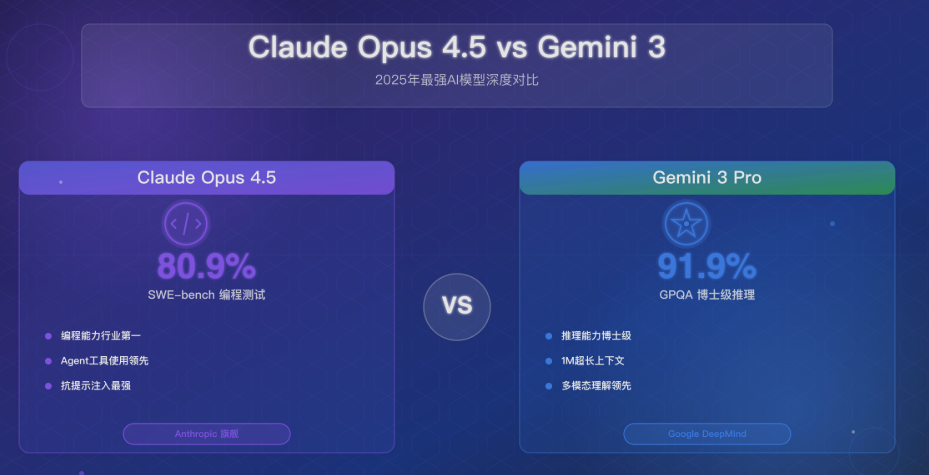
Opus understood the assignment immediately. It didn't just spit out a sterile wall of generic text; instead, it structured a compelling visual narrative with rich pictorial cues and thoughtful layout architecture that looked suspiciously like it took a human front-end engineer half a morning to craft. Gemini played it aggressively safe. It handed me a flat, minimalist skeleton that technically met the literal prompt criteria while completely missing the point. Soul was missing entirely.
Google leans into literal compliance. Anthropic builds for subtle human psychology, and stop paying for multiple AI tools out of sheer habit. Run your own real-world tests against actual workflows today. Cut the dead weight and keep only the system that truly respects your time.