India's New Spam Rules Force Truecaller to Hand Over Data to Telcos
India is forcing caller-ID apps to feed crowdsourced spam reports straight to telecom operators, triggering a major turf war over data and control....
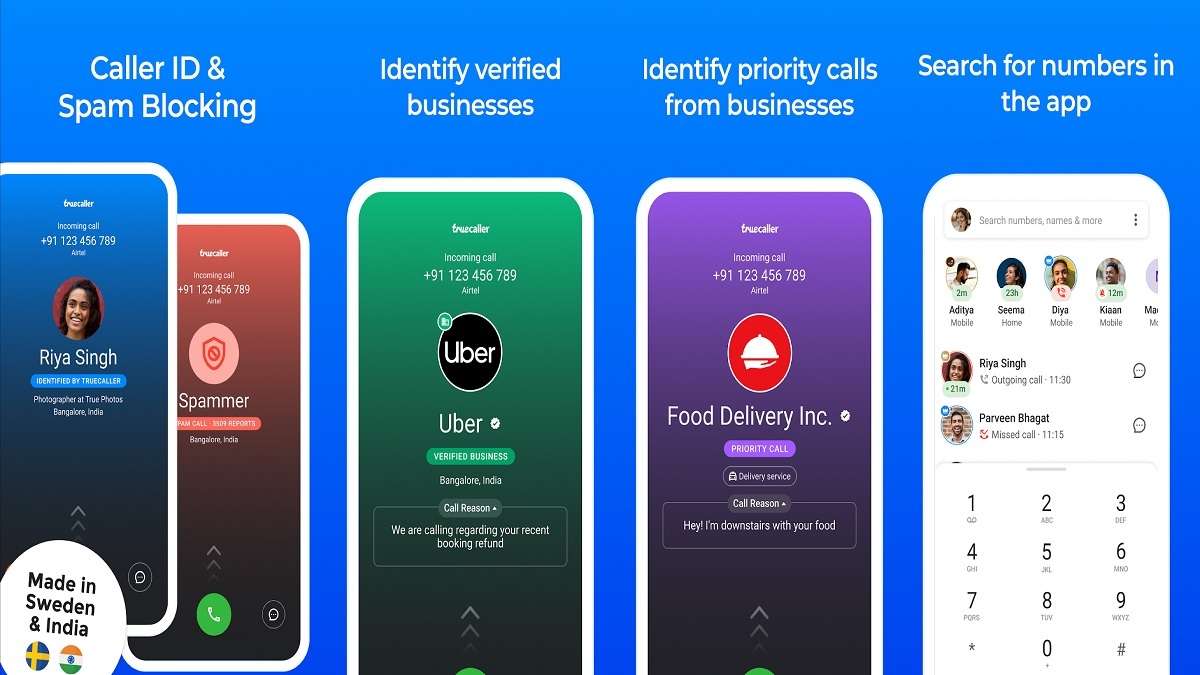
India just redrew the battle lines in the war against spam, and third-party apps are taking the hit. Under new mandates from the Telecom Regulatory Authority of India, any app handling call management or caller identification must now funnel user-generated spam reports directly into a blockchain ledger managed by national telecom carriers. This isn't just about cleaning up junk calls. It is a forcible bridge between private software layers and state-level telecom infrastructure.
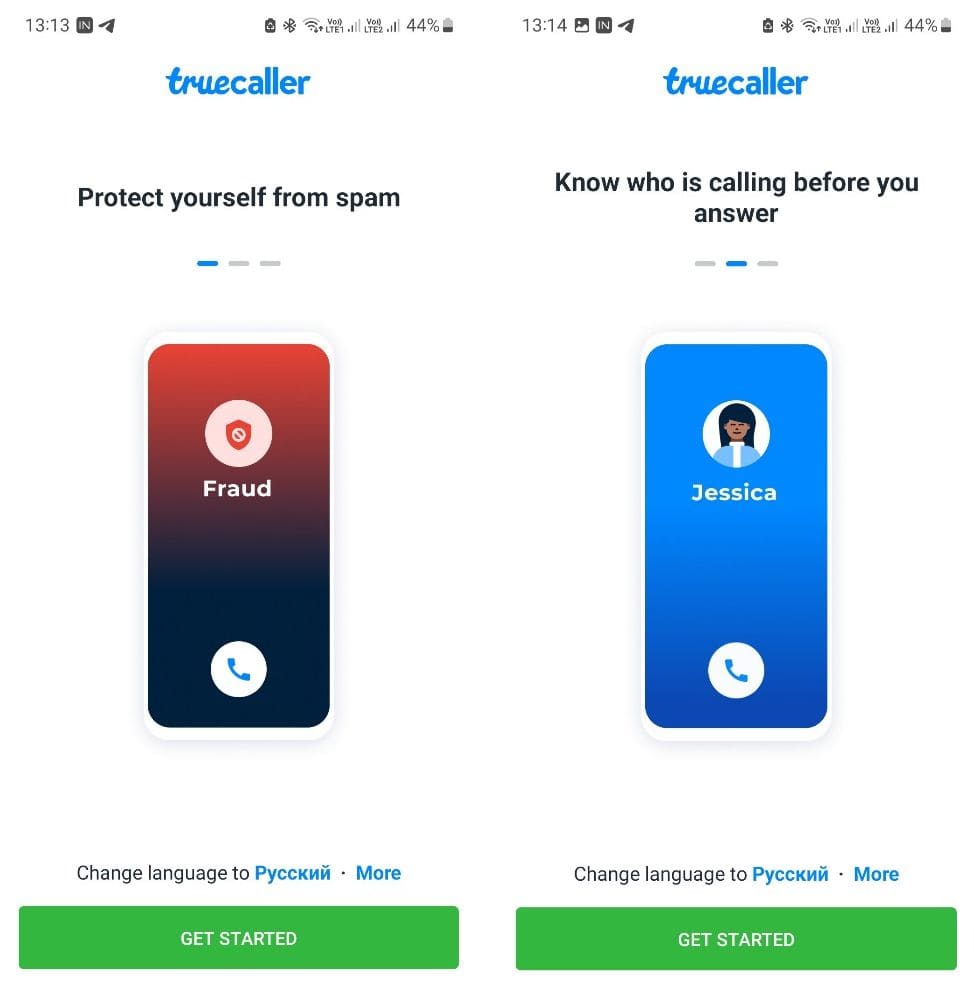
Truecaller — which counts hundreds of millions of users across the region, isn't hiding its frustration! This they are calling the move anti-competitive. See the pattern? Oddly enough have a point. For years, these apps built proprietary moats using group intellect, heuristic signals, which – or rather, massive user trust to filter out noise. Now, regulations demand that they hand over commercially sensitive intelligence to the very telecom networks that failed to stop the spam epidemic in the first place.
This creates an awkward marriage between base monopolies and nimble use layers! The telcos control the pipes. In a way, what's the catch? Then again, apps like Truecaller actually understand human behavior on the screen. Proprietary, by forcing a one-way data dump, regulators are well taking insights built by private engineering teams, which redistributing them to legacy carriers. Entirely, meanwhile, controversial exemptions protecting specific commercial number — oddly – series remain untouched, leaving users vulnerable even as apps are forced to share their best data.
Data ownership is getting messy. When public policy dictates who gets to keep proprietary intelligence, innovation stalls. Builders rely on clear boundaries between platform infrastructure and application value, but India's latest regulatory swing blurs those lines completely, setting a dangerous global precedent for how governments handle digital turf wars.