AI’s Trillion-Dollar Gamble Is Coming Due
Wall Street is finally asking hard questions about AI’s trillion-dollar gamble, and the answers won't comfort Silicon Valley's believers....

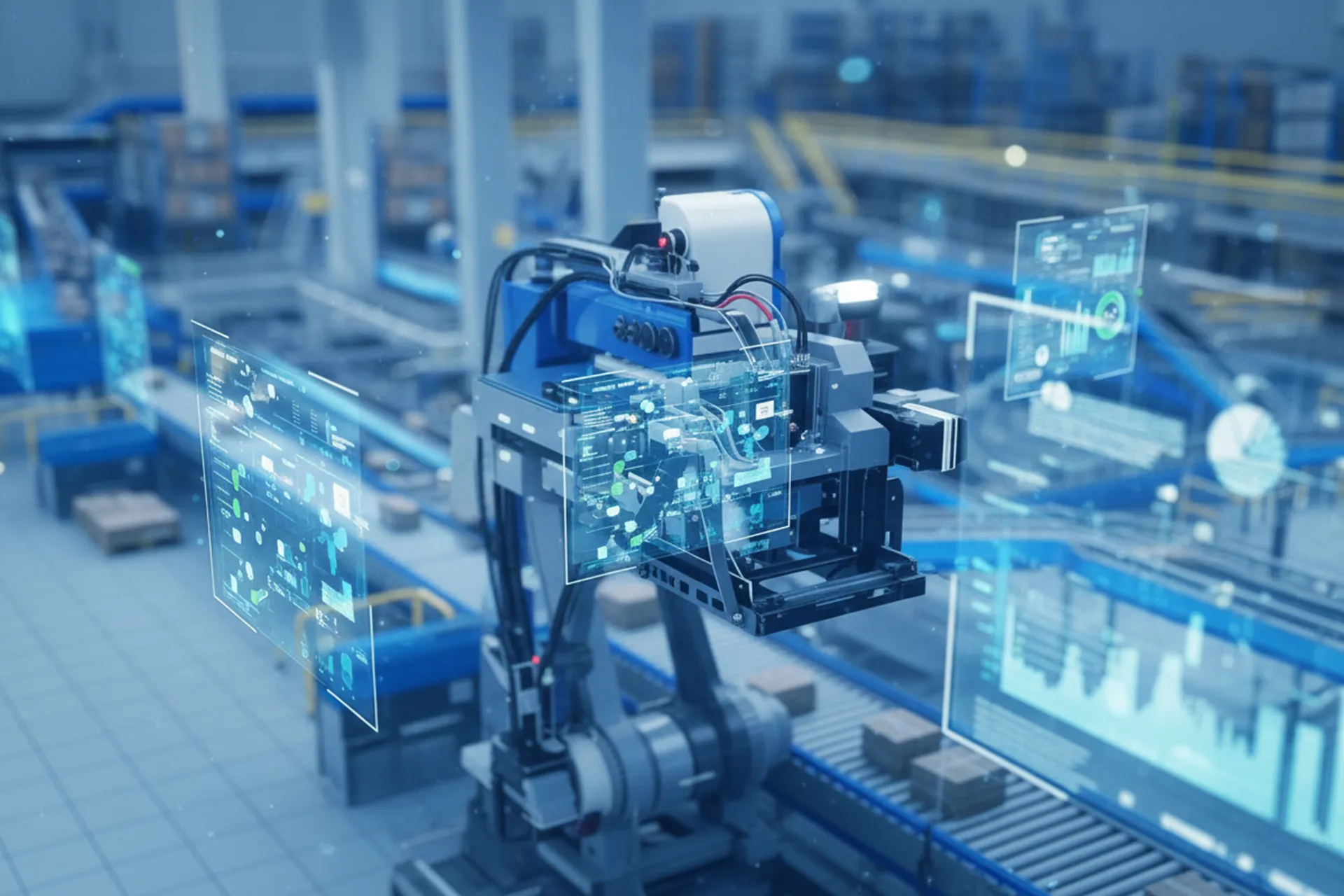
Everybody loves a gold rush until the shovel bills arrive. Right now, the tech industry is barreling headfirst into AI's trillion-dollar gamble, pouring capital into massive base projects with the frantic energy of a gambler chasing a losing streak on a loaded roulette wheel. Economists and finance professors are trying to model the fallout, but let's be honest: standard market models were never built for a speculative bubble of this sheer scale. It's a staggering amount of money to spend on technology that is still trying to figure out how to reliably count the fingers on a human hand.
Away, strip the glossy keynote presentations and venture capitalist sermons! This you're left with a sobering reality — or so it seems. This the setup cost required to train; and, run these enormous models is astronomical. See the pattern? But, the actual output gains for everyday businesses remain patchy at best. Because they're terrified of being depart behind, not because the underlying unit economics make actual sense, we are watching companies pivot entire corporate strategies toward a technology. Now, it's hype masquerading as destiny, funded by cheap credit. Also, burning through electricity grids like wildfire.

In the meantime, the heavy hitters are frantically looking for new frontiers to justify the spending spree. The with OpenAI recently pivoting hard into proprietary biology data! Maybe you can sell molecular shortcuts to pharmaceutical giants if you can't monetize chatbots selling subpar poems. See the pattern? I mean, it's a fascinating pivot. It also exposes the underlying desperation — at least for now. You have to start buying up wetware and biological datasets just to keep the valuation flywheel spinning. When software alone stops yielding jaw-dropping growth.
At some point, the music has to stop. Real builders know that sustainable technology is built on solving actual, gnarly user problems, not on burning through small-country GDPs to generate slightly better autocomplete text. The companies that survive the inevitable hangover won't be the ones shouting the loudest about artificial general intelligence. They will be the quiet operators who set up something durable while everyone else was busy betting the farm on a trillion-dollar pipe dream.