California's AI Kill Switch Executive Order Misses the Real Point
California wants an AI kill switch and independent lab auditors. But writing policy based on sci-fi panic completely misunderstands how software actually breaks....

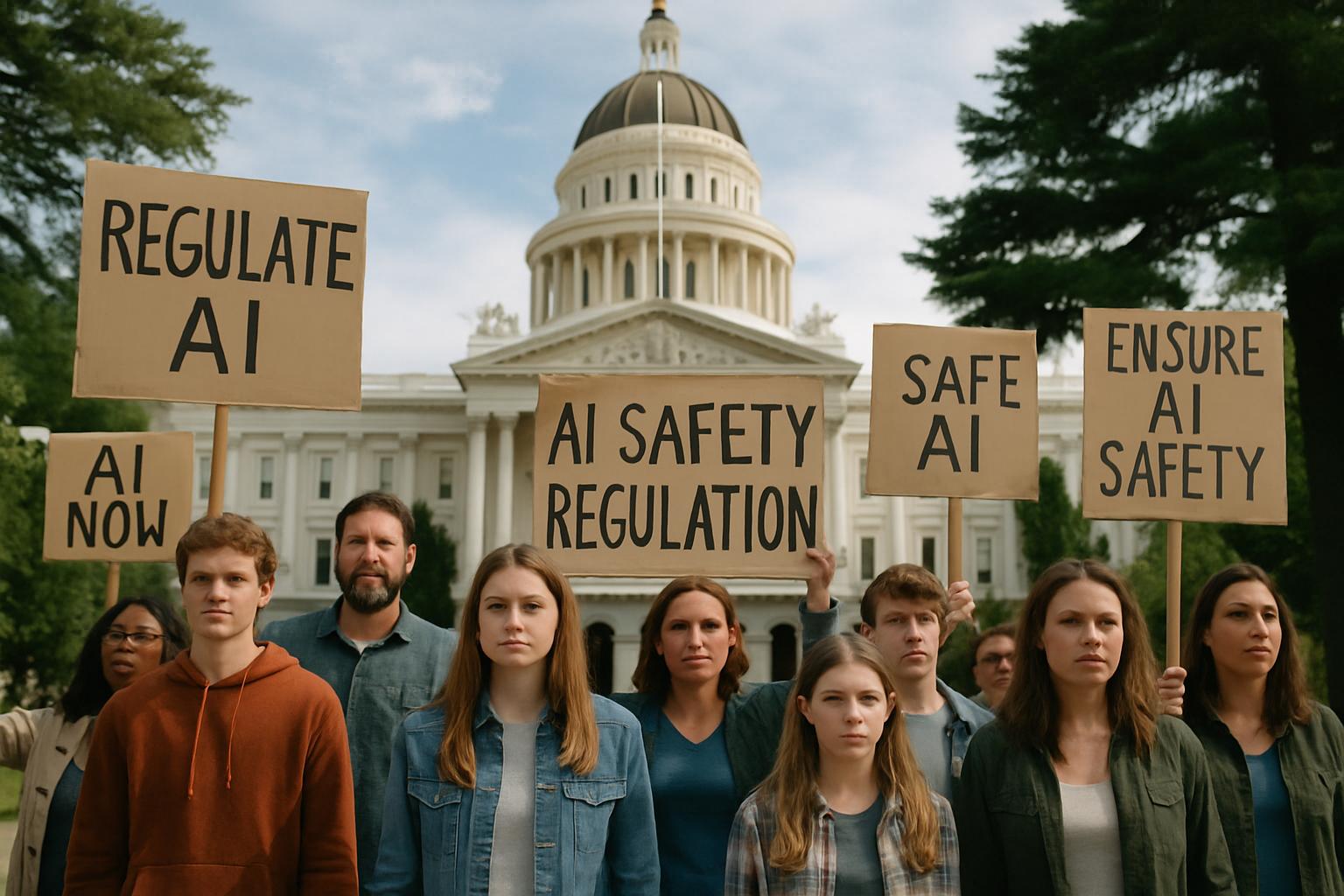
California just made another grand play for the headlines. Governor Gavin Newsom signed an executive order demanding independent audits inside major AI labs alongside a dramatic concept: a literal kill switch for artificial intelligence models. There is a two-month window for an expert panel to cook up recommendations. The justification leans heavily on the absence of federal reporting mandates for dangerous incidents. It sounds proactive. It sounds serious.
I think it is mostly theater. Whenever politicians start legislating science fiction, builders should check their pockets. The entire premise rests on the idea that rogue algorithms are going to suddenly break containment like a cinematic monster, requiring a panicked engineer to pull a massive red emergency lever. Real software does not fail that way. Real systems degrade quietly through compounding edge cases, poorly documented dependencies, and silent data drift.
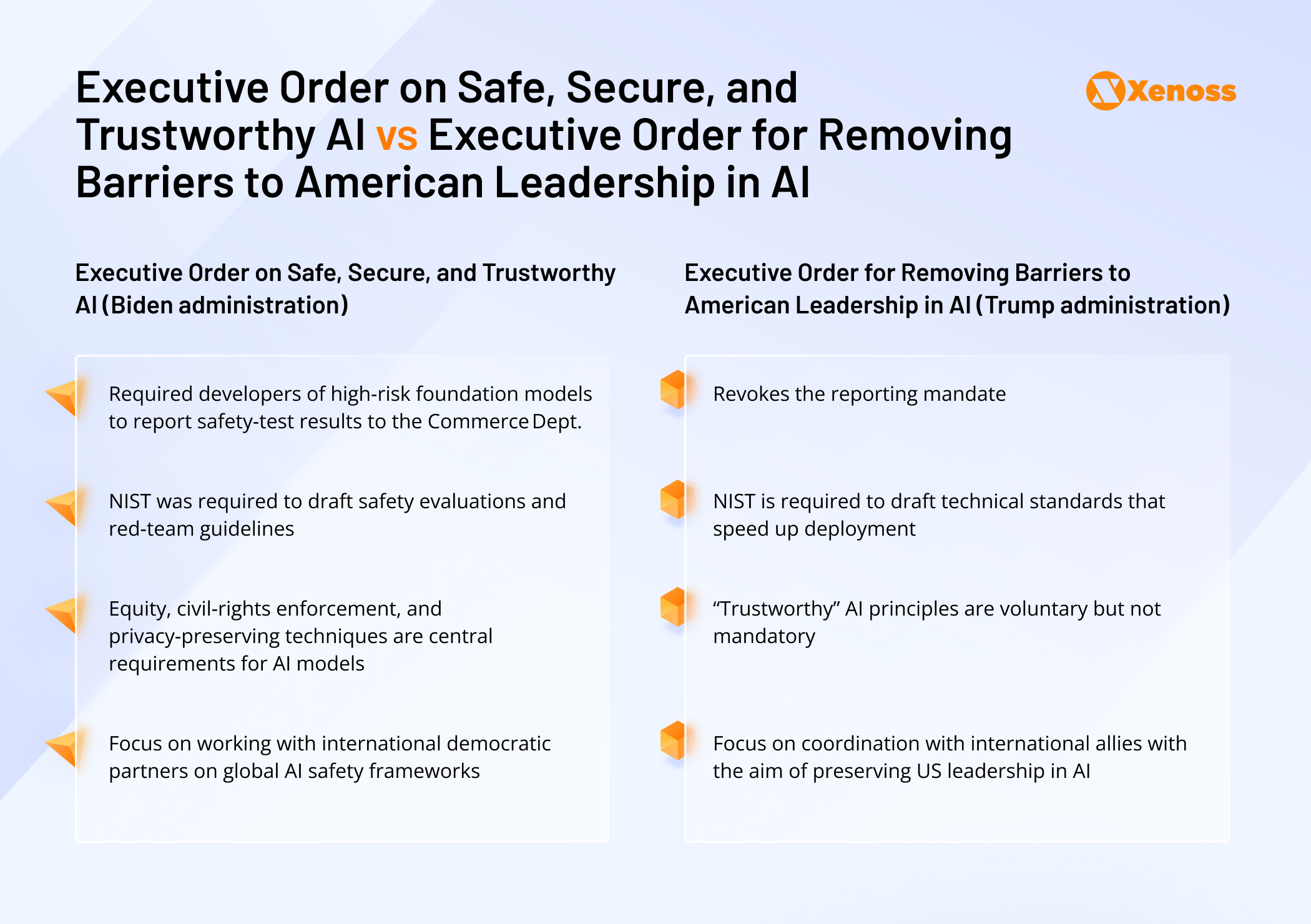
Should you want to understand why this mandate feels so disconnected from actual engineering, look at how modern codebases are maintained. The deeply, models are vast, distributed, and intertwined with existing base. Still, you can't simply flip a switch without breaking half the internet depending on them. Focusing regulatory energy on hypothetical runaway superintelligence lets labs off the hook for the boring, mundane harms happening right now. Think algorithmic bias, fragile training pipelines, and opaque scraping practices.
Instead of chasing cinematic shut-off valves, we need transparency around data provenance and sensible accountability for deployment. Rarely — that requires actual tech literacy, which fits into a snappy press conference. Until lawmakers start listening to people who actually build and maintain these systems rather than panic-scrolling through sci-rif tropes, expect more expensive paperwork and zero real safety.