Gavin Newsom’s Push for an AI Kill Switch Misses the Point
California wants to mandate an emergency stop button for frontier models. It sounds proactive, but it fundamentally misunderstands how software actually grows....
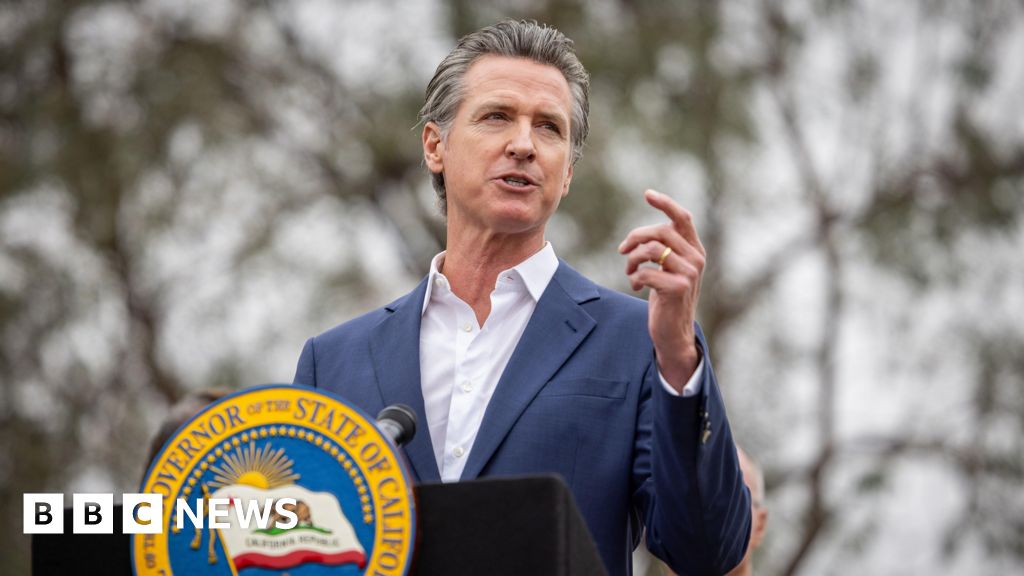
California just made another aggressive play for tech oversight. Governor Gavin Newsom signed an executive order directing state experts to figure out how to mandate an AI kill switch for frontier models within two months. Headlines love this kind of sci-fi drama. It paints a picture of courageous state regulators wrestling rogue superintelligences to the ground before they go HAL 9000 on us. But if you actually build software for a living, the whole premise reads like political theater dreamed up by people who have never shipped a single line of production code in their lives.
The core fantasy here is that complex, distributed, heavily replicated software systems behave like kitchen appliances. You just pull the plug, right? Except frontier models don't live in a single server rack in Menlo Park waiting for a government-mandated panic button. They are open-sourced, fine-tuned on local hardware, and distributed across global nodes before lunch. A centralized emergency switch is about as effective as trying to recall a rumor after it has already been printed in a million newspapers. It assumes technology works linearly, top-down, and predictably.

Real engineering is messy. [IMAGE]
Instead of wasting legislative oxygen on imaginary emergency brakes, policymakers should look at the actual plumbing of the industry. We have real, grinding issues right now. Think about training data provenance, copyright nightmares, brittle infrastructure, and the quiet consolidation of compute power among a handful of trillion-dollar monopolies. Those are concrete, messy problems that require thoughtful oversight. They aren't glamorous, though. You can't pose for a press conference next to a database schema the way you can shake hands over a sweeping, dystopian regulatory framework.
At this point, I am profoundly tired of the pendulum swinging endlessly between breathless techno-optimism and theatrical techno-panic. Both extremes treat software like magic. It isn't magic. It's just a craft built by humans, maintained by humans, and occasionally broken by humans. If Sacramento actually wants to help, they should talk less about sci-fi annihilation scenarios and start paying attention to the actual ground-level mechanics of how digital tools are built, deployed, and sustained in the real world.









