Why GPU Cluster Configuration Finally Has a Reality Check
NVIDIA's AICR v1.0 brings sanity to the nightmare of GPU-accelerated Kubernetes, replacing tribal knowledge with version-locked reality....

Anyone who has ever tried to spin up a GPU-accelerated Kubernetes cluster knows the unique, soul-crushing pain of the dependency matrix – a fragile house of cards where host kernels, rogue driver versions. Stubborn container runtimes, and varied workload models all dance to their own chaotic release cadences, meaning a single innocent upgrade can silently detonate your entire base stack on a random Tuesday afternoon.
For years, debugging these silent failures felt like forensic archaeology because you spent hours digging through logs just to discover that a minor version mismatch between your device plugin and your storage layer was the real culprit, forcing us to rely on messy internal deployment scripts and tribal knowledge that inevitably walked out the door whenever a senior platform engineer finally burned out. Why do we accept this chaos? NVIDIA AI Cluster Runtime v1.0 caught my attention precisely because it replaces guesswork with version-locked recipes that actually guarantee compatibility through cryptographic proof of validation directly from the exact hardware setups tested in the lab.
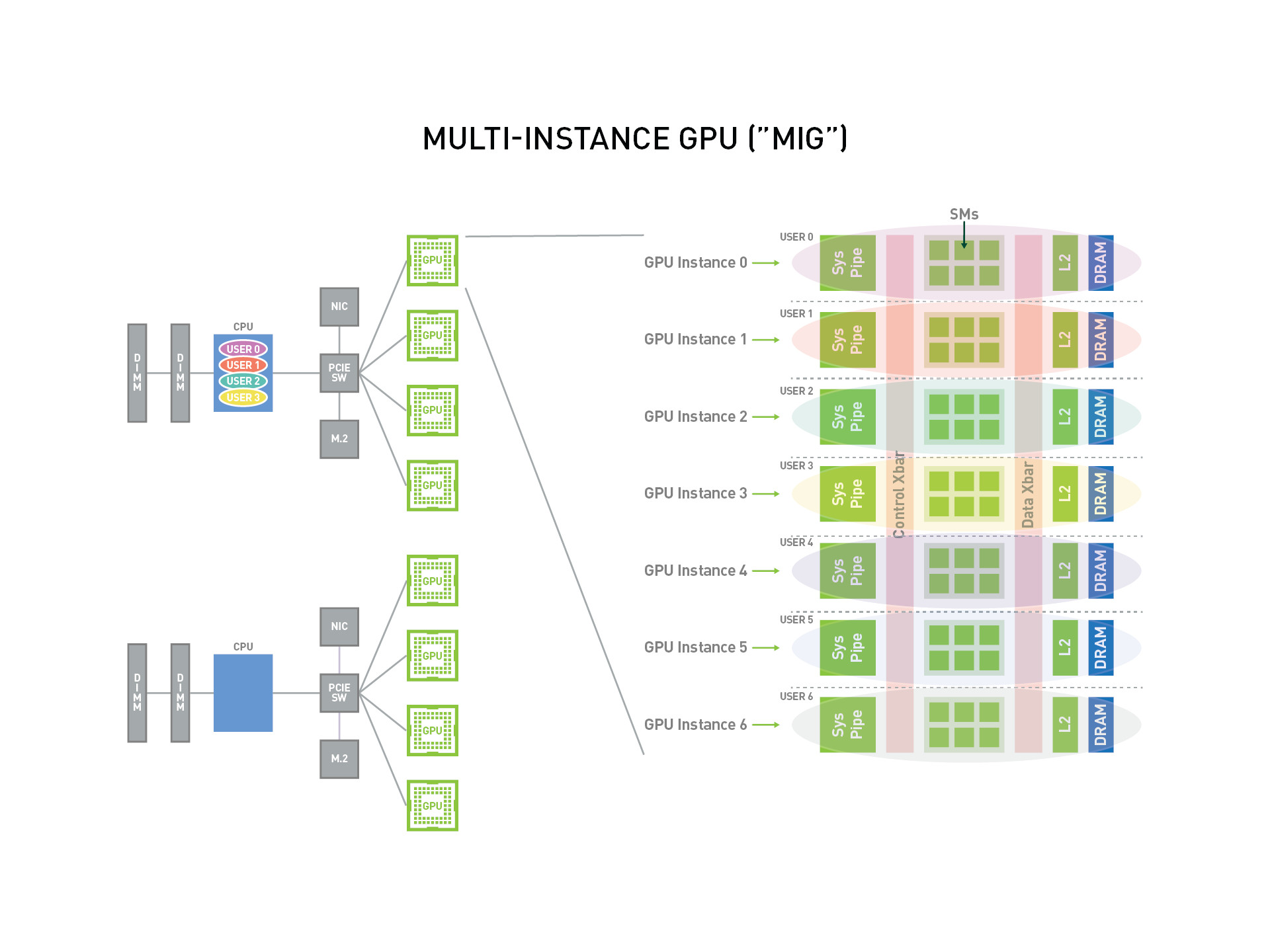
Stability matters. When tooling stops shifting beneath your feet, you can finally build reliable automation without fearing the next update, and Pulumi is already embedding these recipes into their own IaC stacks to prove the wider ecosystem is hungry for a standardized way to describe what a healthy GPU node concretely looks like under the hood.
Good engineering isn't about heroics during an outage. We still have a long way to go, but treating cluster setups as verifiable, reproducible code rather than tribal lore is a massive step forward in eliminating the silly variables that break our systems.