Building a Real-Time E-Ink Bird Frame with Local AI and Vintage Art
A clever developer built an e-ink bird frame that listens to backyard audio via local AI and renders detected species as 19th-century illustrations....

Most modern hardware projects suffer from an over-reliance on bloated cloud base, always-on telemetry, and unnecessary complexity. Every now and then, though, — oddly – someone builds a localized piece of technology that just feels right. Take the recently shared project that listens to backyard audio, processes the data locally, and displays what's happening outside using a physical e-ink display. And that's key.
the system relies on a Raspberry Pi running BirdNET-Go to classify bird calls through a microphone. Instead of dumping raw data into a generic dashboard, a custom application polls that local API, matches the audio signatures to a meticulously curated collection of 19th-century European natural history plates, and composes them onto a textured canvas.
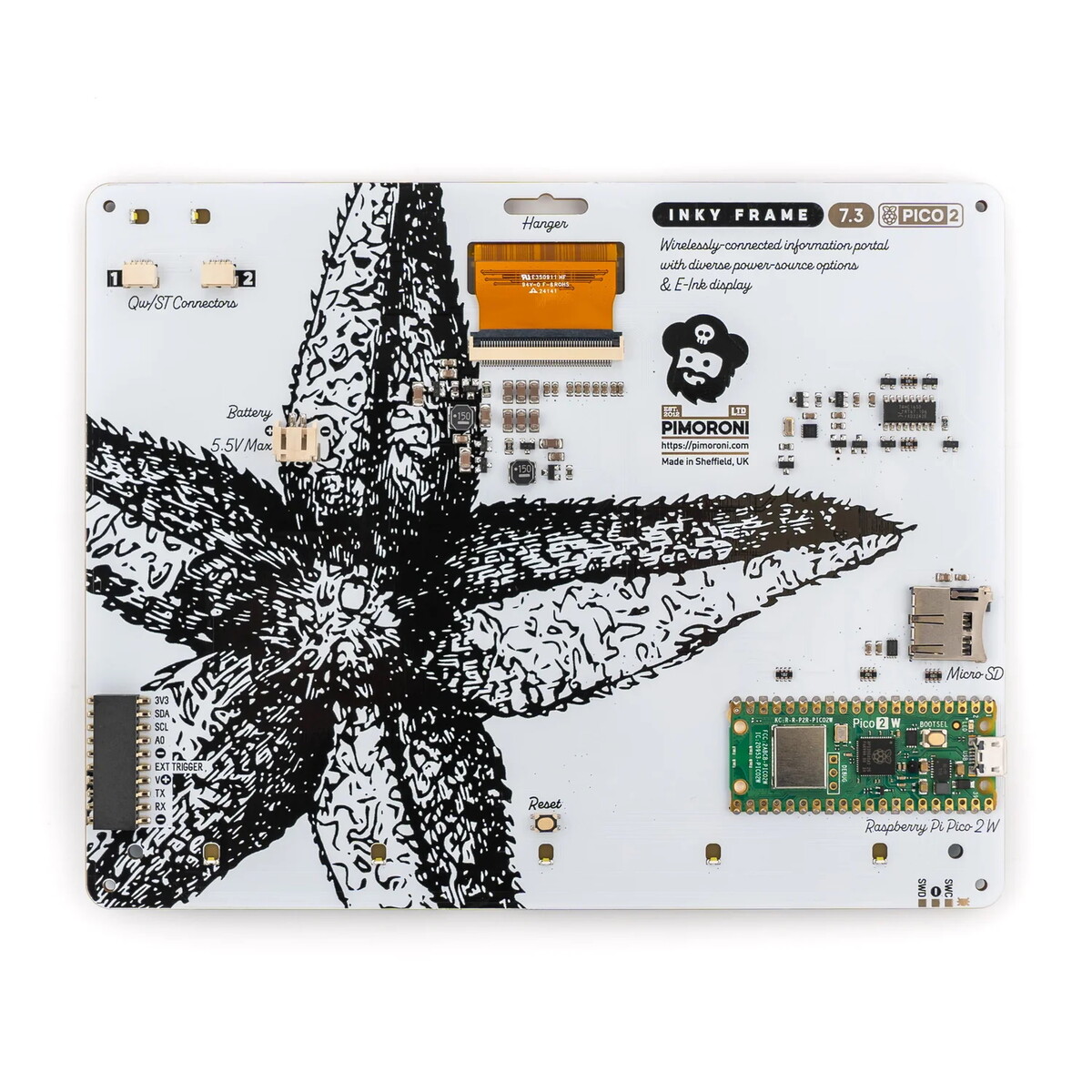
What makes this build stand out isn't just the clever architecture – though running everything locally on modest hardware is always satisfying. It's the absolute commitment to aesthetic craft. The creator hand-cut over 800 illustrations from public domain archives, scaling them by actual body mass so a heavy-set thrush dwarfs a tiny titmouse on the panel.
By bypassing AI-generated art generation in favor of genuine historical cutouts, the project achieves a timeless quality that glossy LCD panels and generic smart screens completely miss. It is local, it is functional, and most importantly, it respects the physical medium.
If you have a spare Raspberry Pi and an afternoon to tinker, pulling down the repository and spinning up a local instance is a brilliant way to remind yourself why we got into building things in the first place.









