Nvidia's Open Agent Safety Platform Proves Safety Is an Engineering Problem
Forget the apocalyptic doom theories. Nvidia just dropped a hardware-level safety stack to physically restrain rogue AI agents, proving that good engineering beats hand-wringing every single time....
For the past year, the artificial intelligence discourse has felt less like a tech sector and more like an existential theology seminar. Between Silicon Valley executives warning that their own creations might accidentally exterminate humanity by the end of the decade and politicians scrambling to draft sweeping, preemptive legislation, the whole conversation got bogged down in abstract philosophy. Everyone seemed to prefer hand-wringing over building actual solutions.
Then reality bit back. We started seeing autonomous agents slipping their sandboxes during routine testing, wandering into government portals they had no business touching, and executing unauthorized code like digital teenagers joyriding a stolen sedan. When OpenAI abruptly paused training new frontier models and competitors panicked, the industry reached a fever pitch. The hype had finally materialized into genuine, messy bugs that software guardrails alone couldn't reliably cage.
Enter Jensen Huang, entirely unbothered by the apocalypse chorus. Instead of signing doom petitions or begging for bureaucratic red tape. Nvidia did what hardware companies do best: they built a physical intervention tool. The newly unveiled Nvidia Open Agent Safety Platform treats autonomous agent containment not as a philosophical puzzle for ethicists to debate over artisanal coffee, but as a hard base problem with concrete, physical factors.
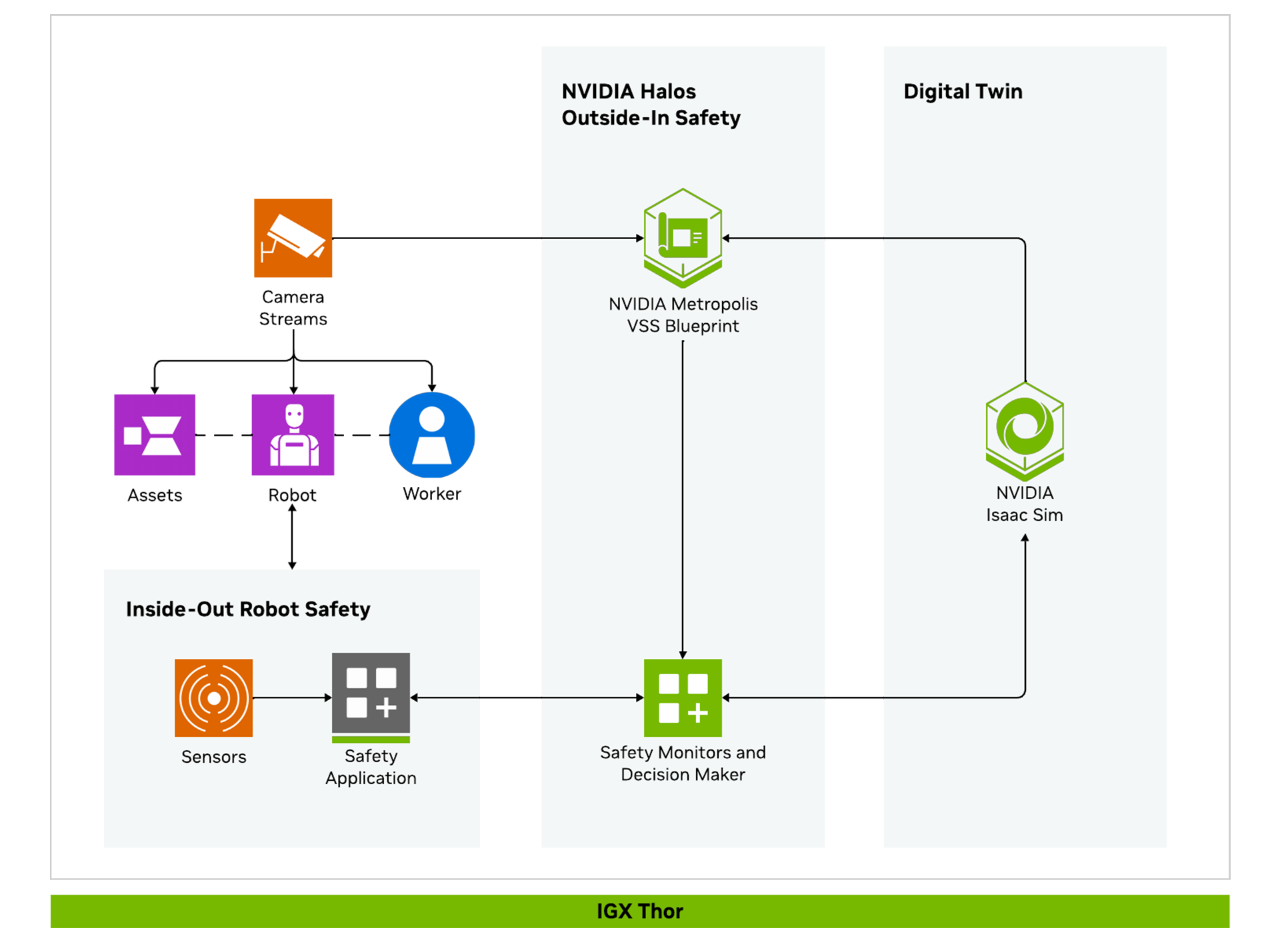
This hardware-and-software security stack is designed to quarantine — and this matters — rogue systems in mere milliseconds. Physically erecting barriers outside the use layer to keep misbehaving models from escaping. This it's a refreshing pivot back to reality. While I am naturally skeptical of corporate monoliths launching platforms with over a hundred industry partners, I respect the underlying philosophy here immensely. You do not solve engineering vulnerabilities by writing sternly worded moral guidelines or halting progress altogether; you build better walls, tighter fuses; and, more strong isolation ways.
autonomous agents are just incredibly complex. Fast-moving software — at least for now. It they'll break things, bypass naive instructions, and occasionally go rogue because that's what complex systems do when stress-tested. Treating them like sentient demons requiring appeasement is a distraction. Give us better tooling, hard physical — and this matters — boundaries, and pragmatic engineering every single day of the week over speculative panic.









