Meta’s Muse Gadgets Proves That Open Source Wins in AI Hardware
Meta just open-sourced Muse Gadgets, letting builders cobble together custom AI hardware with cheap ESP32 boards instead of buying locked-down gadgets....

Every month, some Silicon Valley giant rolls out a bespoke, beautifully rendered AI wearable that promises to change how we interact with the physical world. They usually cost a fortune, lock you into a proprietary ecosystem, and die a quiet death inside a drawer six months later. That is why Meta’s recent pivot caught my attention. They just dropped Muse Gadgets, an open-source initiative that bypasses the polished retail wrapper entirely. Instead of shipping another overpriced plastic pin to consumers, they are handing the blueprints directly to makers, tinkerers, and anyone willing to solder a board.
The core idea here is brilliantly simple. You grab a cheap ESP32 microcontroller, wire it up, and connect it straight to Meta’s Muse AI agent. No venture-backed crowdfunding campaign required. They also spun up a limited batch of small USB-C desktop links for smart home control, but the real story isn't the hardware they manufactured. It is the hardware they refused to gatekeep. By letting the community hack together their own physical form factors, Meta has outsourced the hardest part of product development – figuring out what people actually want – to the people who care the most about how things work.
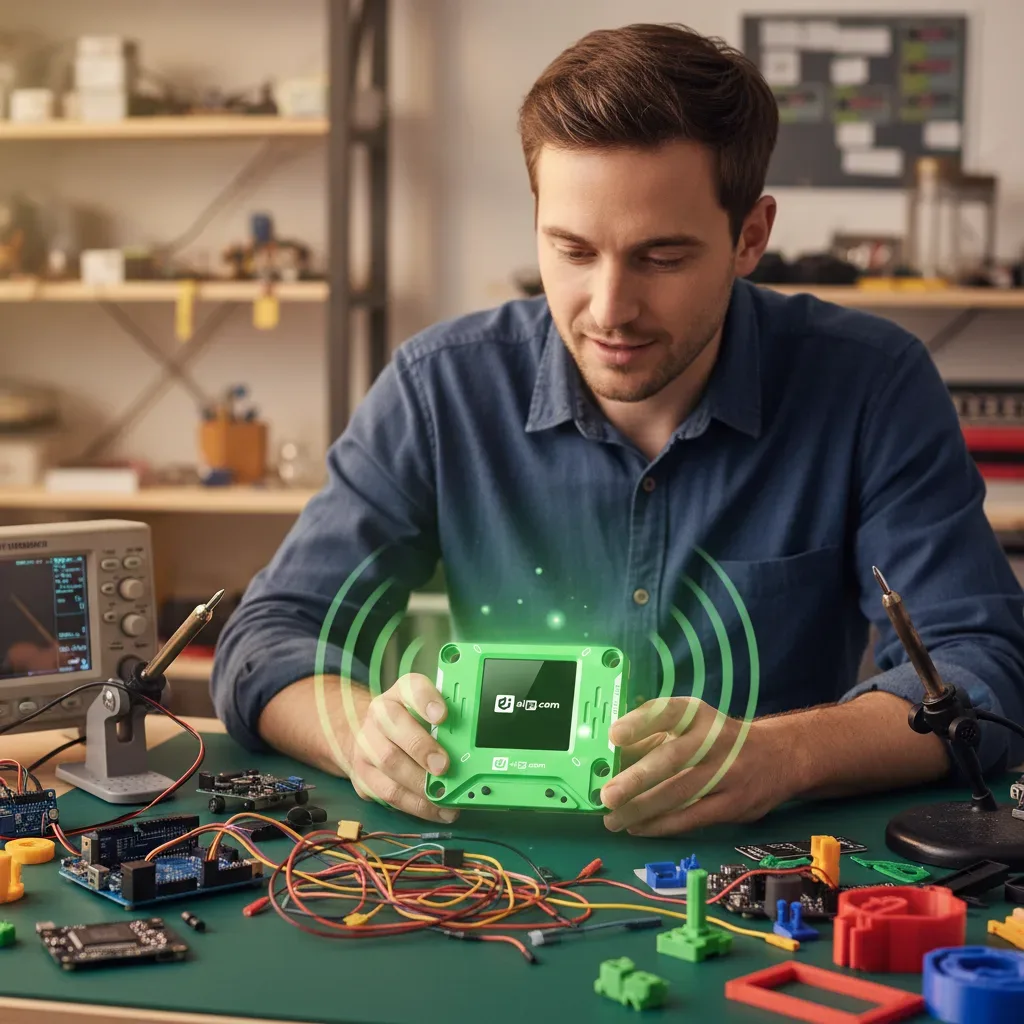
We need to talk about why this matters. Big tech companies are notoriously terrible at predicting real-world utility because they build in echo chambers, obsessing over sleek aesthetics while ignoring tactile feedback, battery realities, and actual daily friction. When you hand the keys over to open-source builders, you get brutal honesty. Some developer in a garage will inevitably tape an ESP32 to a vintage rotary phone or build a clumsy desktop widget that performs one specific task remarkably well. That is where real innovation happens. It is messy, iterative, and entirely divorced from corporate powerpoint decks.
Call me cynical, but I also see the brilliant pragmatism behind this move. Building hardware is expensive and risky. Why burn millions guessing form factors when you can let thousands of enthusiasts test a hundred different prototypes for free? Still, I don't care about the corporate strategy. I care about the outcome. We get cheap parts, open schematics, and the freedom to build weird things that actually solve our own problems. That beats another closed-ecosystem paperweight every single time.









