Mecka AI Nears $500M Valuation as the Robot Training Data Gold Rush Accelerates
A two-year-old startup is closing in on a half-billion-dollar valuation just months after its last round, proving that the real money in robotics isn't the hardware—it's the data....
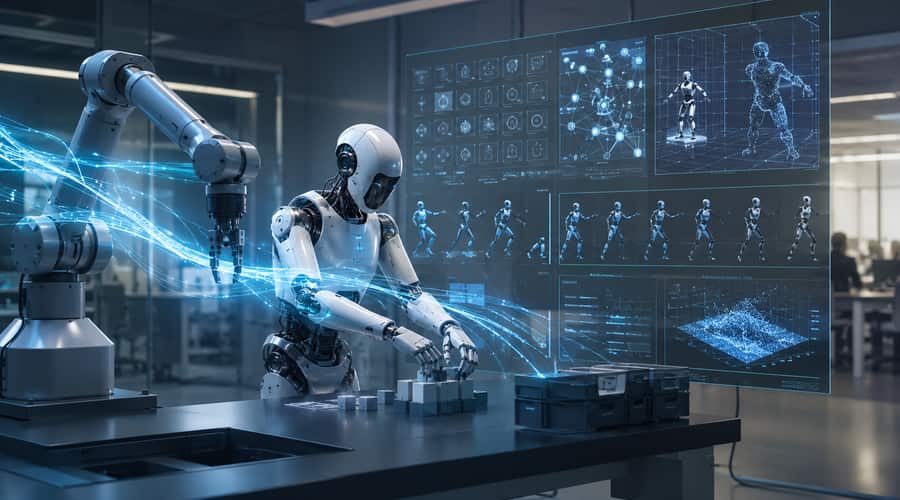
The venture capital machinery continues to find new verticals to hyper-accelerate, and the latest beneficiary is the market for robot training data. Reports surfaced this week that Mecka AI, a company barely two years old, is deep in talks for a Sequoia-led funding round that would push its valuation to a staggering $500 million. This comes hot on the heels of their Series A announcement, showing just how fast capital is moving into the foundational layers of physical automation.
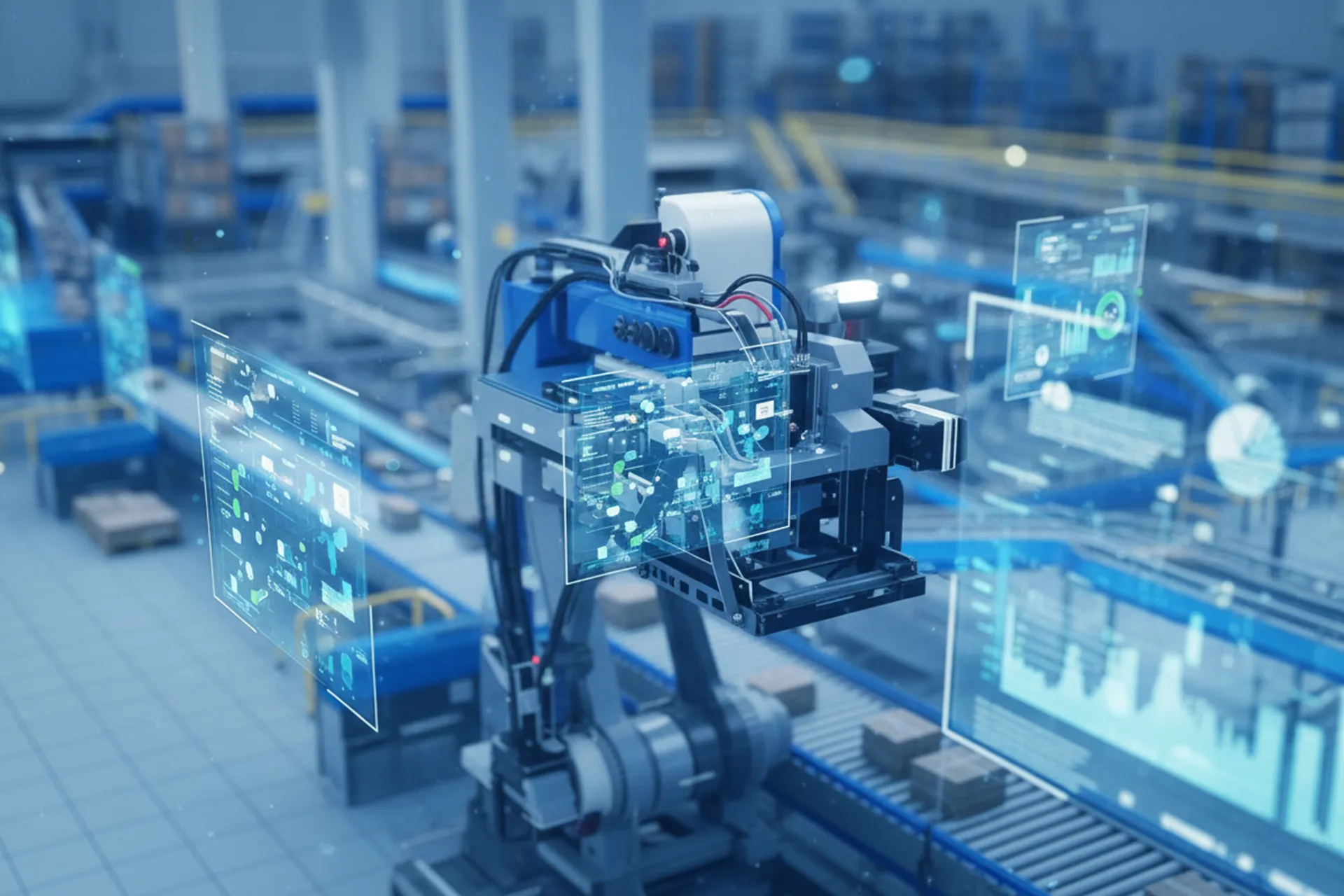
If you look past the dizzying valuation figures, the underlying thesis is worth paying attention to. Building humanoid hardware or robotic arms is difficult, but teaching those machines to navigate a messy, unpredictable physical world reliably is the actual bottleneck. Everyone wants to build the metal body, but nobody has enough real-world data to make it smart. Startups specializing in synthetic generation, teleoperation data collection, and physical simulation are suddenly sitting on the most valuable resource in the tech ecosystem.

We have a healthy skepticism for venture-fueled gold rushes at Xetarev. When valuations outpace product maturity by this magnitude, it usually leads to a messy reckoning down the road. That said, the physical AI sector is fundamentally different from yet another wrapper-based LLM startup. You cannot fake physical interaction; you need massive, structured inputs to teach an algorithm how to pick up a coffee cup without crushing it. The data problem in robotics is very real, even if the pricing is speculative.
For independent builders and small engineering teams, this capital concentration tells a clear story. While competing at the infrastructure level with well-funded data giants is a fool's errand, the downstream applications are wide open. When the heavyweights finally standardize how robots learn, specialized software to run on top of those platforms will be where pragmatic, sustainable businesses get built.