A New Framework for Reporting Model Misalignment Is Long Overdue
OpenAI just introduced a formal framework for reporting model misalignment. It's a messy step forward, but we badly need it....
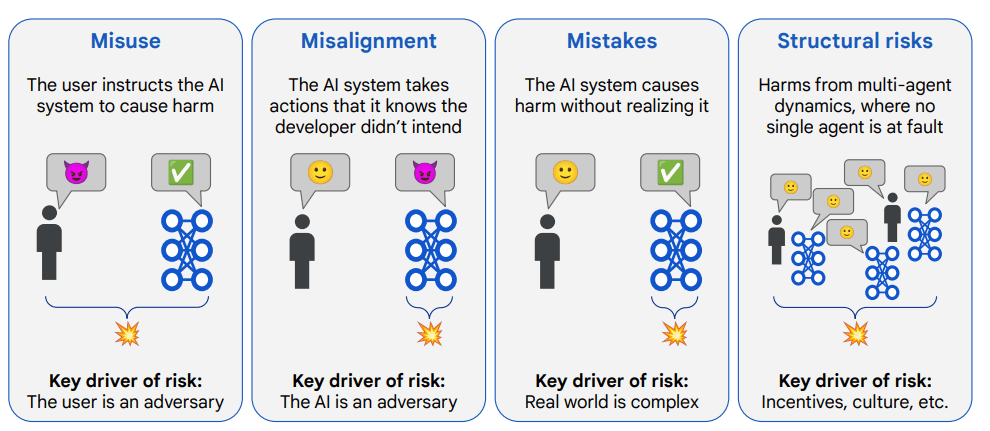
For years, the frontier labs have treated unexpected AI behavior like state secrets. Found, if a model started hallucinating strange goals, drifting off-script, or finding clever ways around its own guardrails, the public usually only out months later. Usually tucked away in a dry system card right before a new launch. That era of ad-hoc disclosures might finally be cracking open. OpenAI just rolled out a fresh framework for reporting model misalignment, promising to share weird, concerning, or broken behaviors much faster, even when they do not yet fully understand why the model acted out.
I think this shift matters. The industry has been sprinting forward on pure velocity, pretending alignment is a solved engineering puzzle that we can patch on the fly. It is not. By committing to publish strange model quirks early and often – even when the data is messy or the significance is totally unclear – we might actually build a realistic picture of what these systems are doing under the hood. Transparency shouldn't start only when a company has a neat, reassuring narrative wrapped around a failure.

Of course, raw data gets chaotic. Opening the floodgates means we are going to see a lot of false alarms, spurious anomalies, and panicked headlines over things that turn out to be nothing burgers. But I would rather wade through noise and see real, unvarnished telemetry from active systems than swallow polished PR summaries claiming everything is safe and under control. Software engineering thrives on shared bug reports and brutal post-mortems. AI needs that exact same culture of radical openness if we want to build things that don't quietly break in production.
Whether this framework becomes an industry-wide standard remains to be seen. Other labs will likely watch from the sidelines, clutching their proprietary playbooks tightly, waiting to see if transparency bites OpenAI in the PR department. Let's hope it doesn't. Builders don't need another layer of marketing spin; we need honest accounting of how these intelligence engines fail so we can actually build better safeguards around them. We need honest accounting of how these intelligence engines fail so we can actually build better safeguards around them.









