Why the Android of Robotics is Finally Leaving the Lab
Forget the multi-decade wait for general intelligence. The smartest robotics play right now is modular, open, and actually shipping....
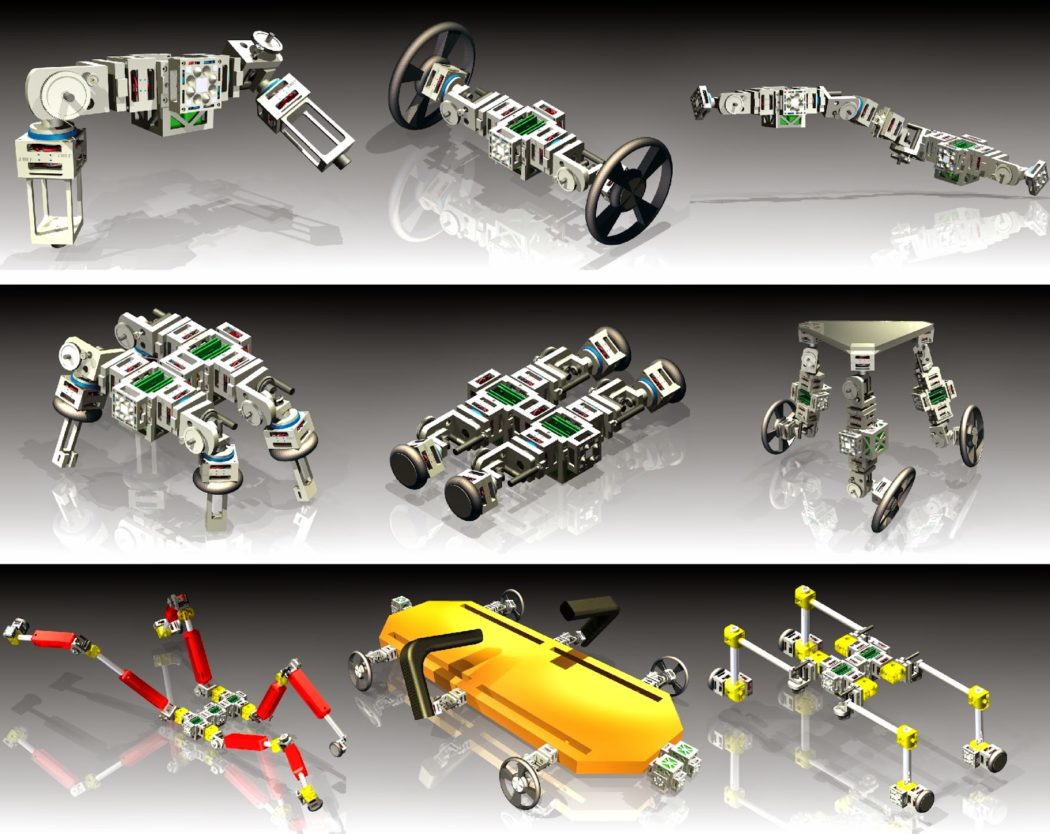
Everyone in tech is waiting for the big breakthrough. You know the narrative. We are supposedly just months away from a sentient hunk of metal folding our laundry and doing our taxes. But step away from the glossy keynotes for a second and look at reality. The so-called ChatGPT moment for physical hardware hasn't arrived. Founders and investors keep arguing over timelines, splitting hairs about whether we are five years or fifty seasons away from true general-purpose autonomy. I think that entire debate is a massive distraction.
While the giants burn billions trying to build both a magical neural network and a proprietary carbon-fiber body from scratch, a leaner playbook is quietly winning. Look at how real platforms actually scale. Apple didn't start by inventing the internet; Nvidia didn't conquer AI by building every single end-user application on earth. They built tools. They provided foundations. Now, a startup called Feather is trying to become the Android of robotics by taking that exact philosophy and applying it to modular, customizable hardware that developers can actually buy, hack, and deploy today.

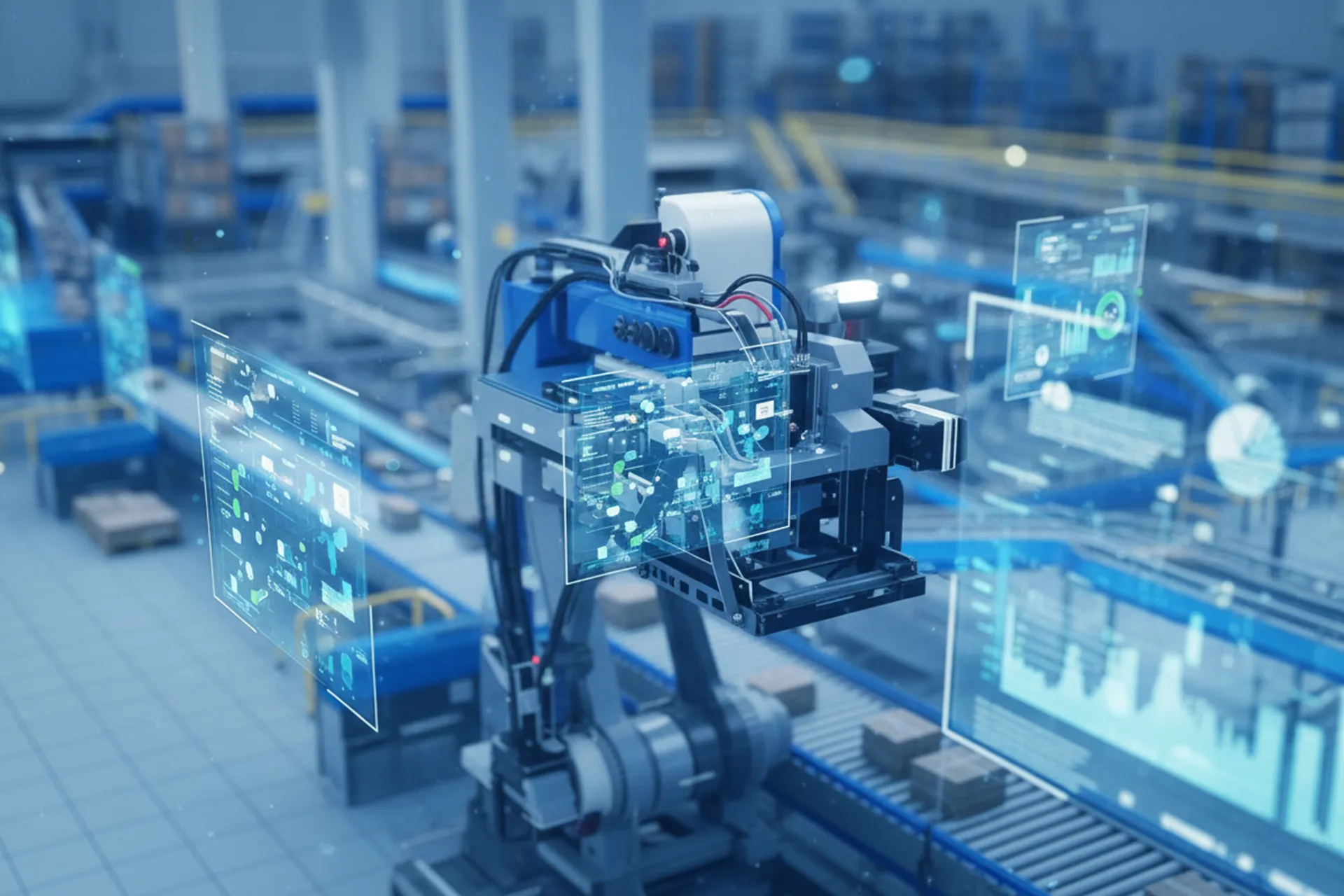
Founded by industry veterans who understand what it takes to ship under pressure. As far as I know, the company bypassed the trap of endless research and growth cycles. They built a $30,000 modular humanoid platform that runs whatever AI brain you feed it, whether that comes from Nvidia, Skild, or Physical Intelligence. [IMAGE]
Already, these machines are quietly flipping burgers in commercial kitchens and tidying up sterile science labs! It in, they're clearing seven — and this matters — figures in revenue while the vertical-blend purists are still drowning architectural roadmaps. See, why does this matter? By keeping the hardware open and cheap enough to actually justify the capital expenditure, they sidestepped the biggest bottleneck in automation. If you ask me treating robotics like an academic philosophy experiment was stopped by they. Started treating it like a developer ecosystem.
There is a lesson here for builders everywhere, regardless of whether you write code for screens or steel. Hype is loud, but utility pays the bills. While the behemoths chase the horizon with impossible promises, the real progress belongs to the people shipping modular tools that solve actual problems right now.