Why AI Video Editing and Color Grading Needs More Than Just Hype
OpenAI's latest model claims a massive leap in video color grading. But beneath the marketing spin, what does this actually mean for creative work?...
Every time a major lab drops a measure claiming exponential speedups. My immediate reaction is a heavy sigh — if that makes sense. The we're always drowning in announcements that promise — oddly. To revolutionize creative pipelines by tomorrow (worth noting) morning, usually relying on cherry-picked metrics and breathless PR copy. Yet, looking past the usual promo gloss, some updates actually catch my attention because they target the grueling. But is it really that simple? The repetitive bottlenecks that filmmakers and editors battle daily! Take the recent wave of — oddly — automated color grading — or more precisely, upgrades rolling out via GPT-6 Astra. Funny enough, Take the recent wave of — oddly — automated color grading upgrades rolling out via GPT-6 Astra. Which supposedly triples success rates on complex grading tasks.
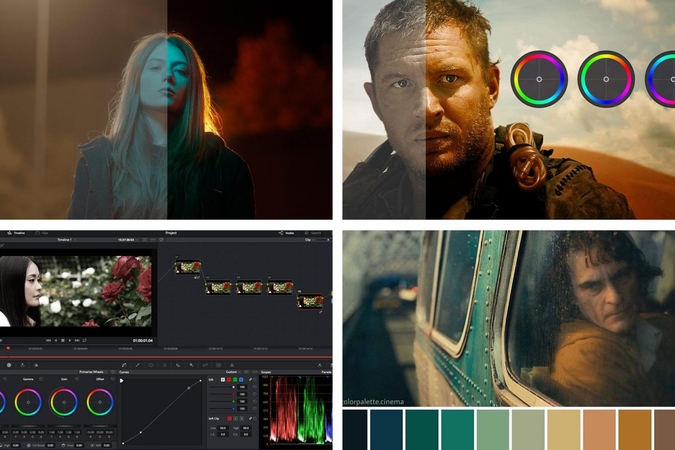
Color work is genuinely hard. It is not just about slapping a LUT on footage and calling it a day. It requires a delicate balance of tracking skin tones across messy lighting changes, isolating moving subjects, and matching contrast profiles between disparate camera angles shot under entirely different conditions. Historically, asking an AI to handle this meant watching it hallucinate bizarre color shifts or completely wipe out the mood of a scene. If a model can actually reason through these steps without losing the plot, that moves the needle from a cute parlor trick to a legitimate utility.
The real test of any creative tool isn't whether it can generate fifty custom effects in twenty-four hours. But whether are actually usable or just digital clutter. It code generation for video effects sounds impressive on paper. Editors don't need more junk clogging up their timelines. They wanted precise control, predictable behavior. And tools that respect their taste.

We need to stop framing artificial intelligence as a replacement for human craft and start viewing it as a way to claw back our weekends from tedious frame-by-frame chores. When an agent manages to plan a complex edit with fewer reasoning steps and lower token overhead, it simply means the underlying architecture is getting smarter about context windows and tool selection. That is good engineering. I will happily cheer for better engineering every single day of the week, provided the human at the keyboard stays firmly in the director's chair.