Making Sense of the Atmosphere: NVIDIA Earth-2 and AI Data Assimilation
Local weather data is piling up, but turning those raw observations into timely decisions has always been a messy engineering problem. Here is how modern diffusion tools are changing the math....

Weather data is everywhere now. We have wind sensors on turbine blades, solar array monitors feeding live telemetry, dense local radar sweeps, and satellites staring down at the planet twenty-four hours a day. Energy grids, logistics networks, and agricultural operations live and die by this information. Yet, collecting the data is the easy part. The real bottleneck has always been figuring out how to mash all these disparate, messy, real-time observations into a forecasting model without breaking the entire pipeline.
Traditionally, crunching this volume of incoming atmospheric telemetry meant wrestling with massive, compute-heavy numerical weather prediction systems that simply weren't built for modern speeds. Enter NVIDIA Earth-2 and its AI data assimilation toolkit. Instead of discarding local anomalies or waiting hours for batch runs, engineers can now process observations efficiently. You can plug in proprietary datasets, tighten up regional forecasts, and actually keep your operational estimates aligned with what is happening outside right now. It is a pragmatic shift toward smarter modeling.
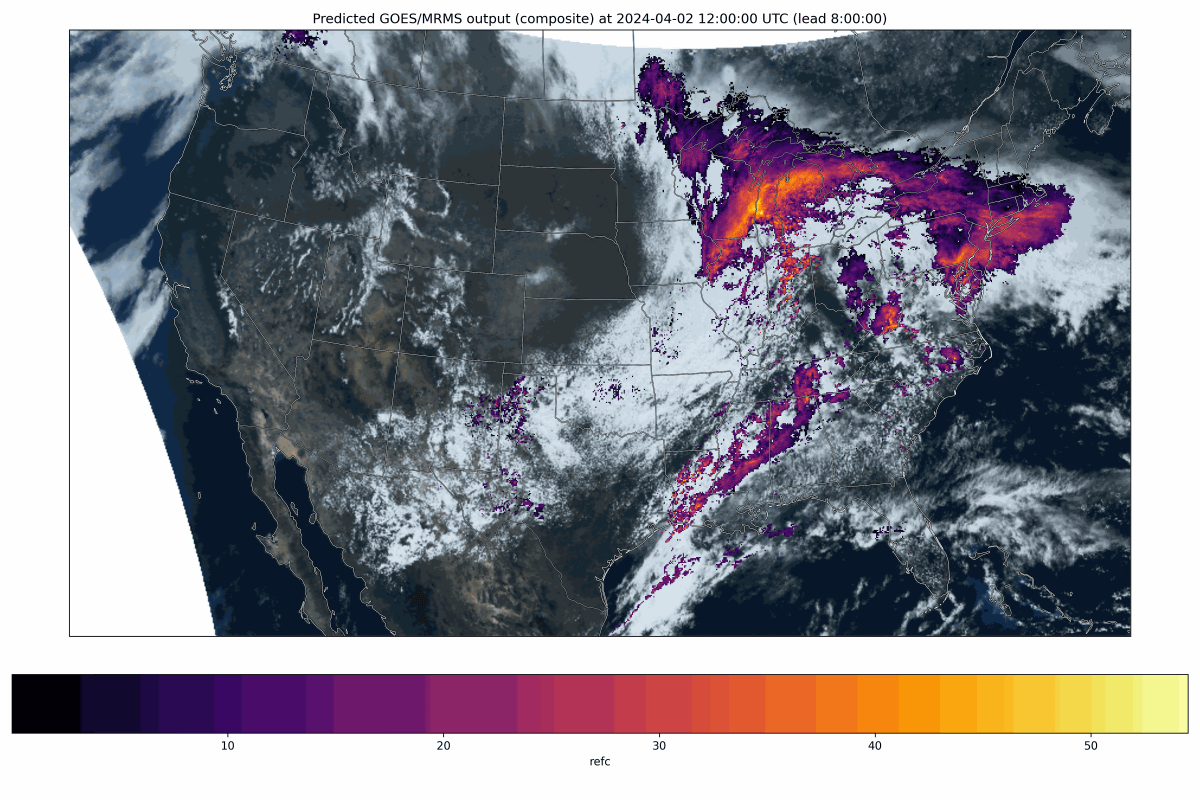
The tutorials coming out of the ecosystem right now focus on two distinct angles: constraining diffusion models using point observations for regional accuracy, and blending totally disparate datasets into a single, coherent global state. If you run a regional energy pipeline, Score-Based Data Assimilation – or SDA – lets you force diffusion-based downscaling models like CorrDiff to respect local reality. The best part? You don't have to spend a week retraining the underlying model from scratch.
Under the hood, SDA acts — and this matters — like a quiet editor during the model's denoising steps! It compares intermediate bets against your actual ground sensors and gently nudges the output back toward the truth. Why does this matter? Then again, the resulting probabilistic forecast – to be fair – tightens up right where you've physical sensors planted. Seems like, while gracefully expanding uncertainty further out where you're flying blind. When the sky turns gray, that's — oddly — how practical engineering should work: respect the data, constrain the hallucinations. Realistically, build tools that help small teams make better calls.









