Stop Buying N100 Mini PCs: The N150 Home Lab Era Is Here
The beloved budget mini PC chip has lost its price advantage. If you're building a home lab today, it's time to move on....
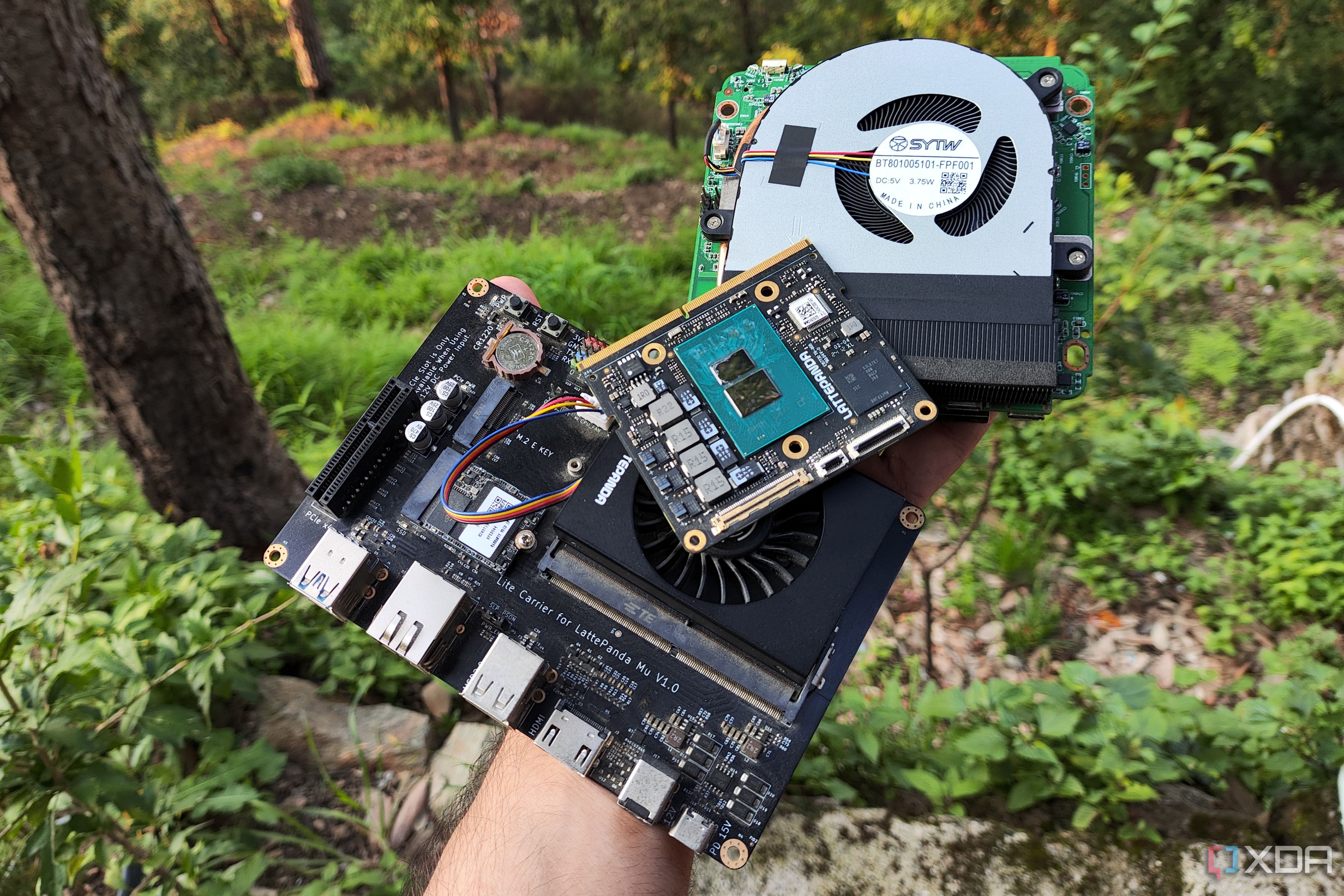
Let’s be honest about the N100 mini PC. For the last couple of years, it has been the undisputed king of budget home labs, a low-wattage darling that let us run Proxmox nodes, Pi-hole instances, and media servers without sending our electricity bills straight into the stratosphere. It earned every bit of that praise. But the tech field moves fast, and retail realities move even faster, meaning the math behind that automatic recommendation has finally broken down entirely.
The core issue isn't raw capability. It's pricing. When the silicon launched, you could pick up a well-specced machine for chump change. Turning it into an irresistible impulse buy for anyone wanting to tinker with containers over the weekend. Lately, however, supply chain quirks and sudden price inflation have pushed those older boxes up into territory where they simply don't make sense anymore. Erasing the exact margin that (interestingly) made them special in the first place.
Enter the N150. Honestly, the processor upgrade itself is nothing to write home about. We are looking at a tiny bump in turbo clocks and a slightly faster integrated graphics slice, changes you would be hard-pressed to notice even if you stared at htop metrics all day long. But silicon is only half the story.
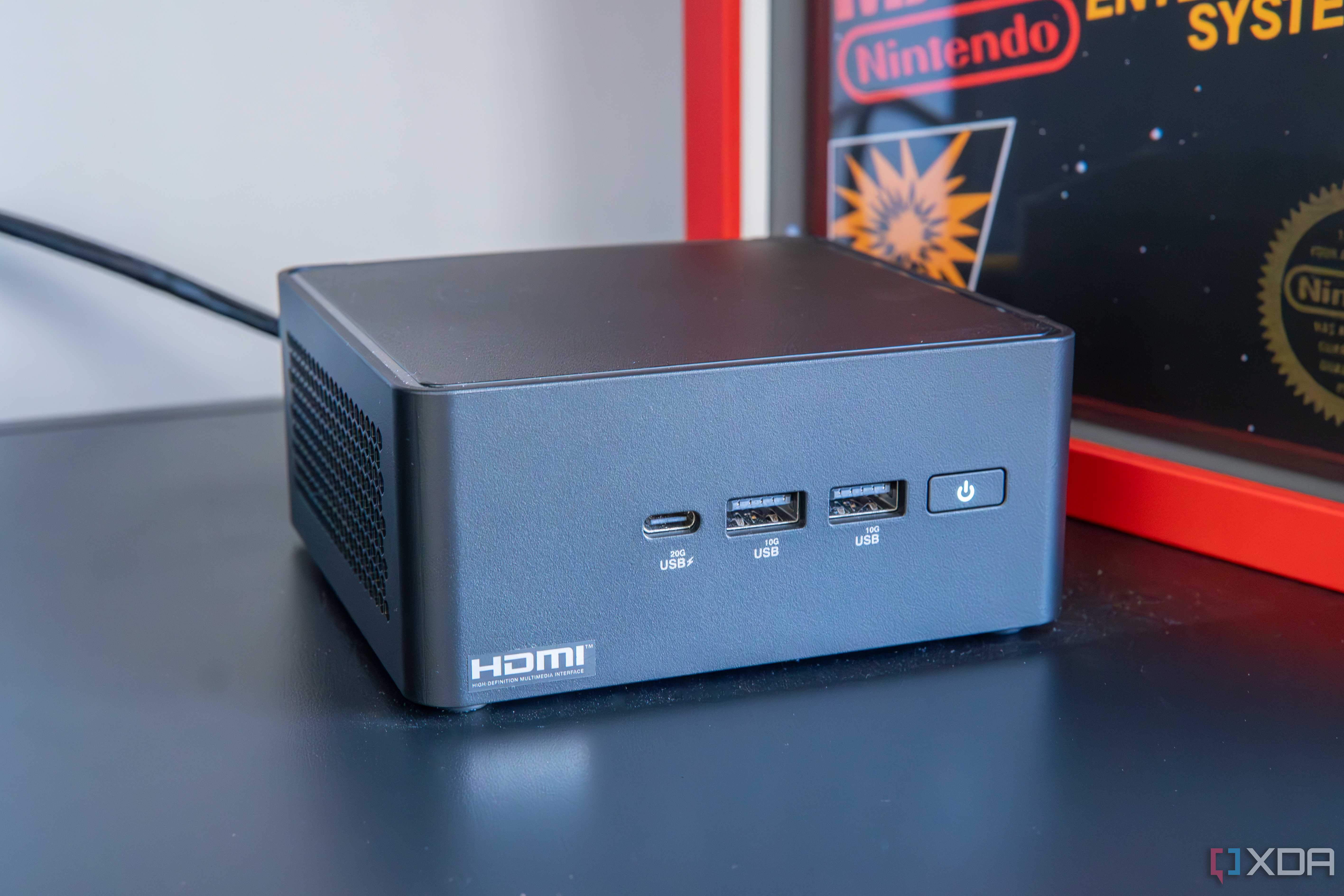
Hardware manufacturers have completely re-architected the chassis — oddly — built around this new generation, tailoring them directly to what home lab enthusiasts actually demand. We're seeing incredible layouts featuring multiple 2.5GbE network ports. And strong internal power supplies packaged neatly into tiny, silent cubes. Recommending obsolete inventory feels borderline negligent, when you can grab a heavily modernized board with proper firewall interfaces or enterprise-grade networking for the exact same cash. When you can grab a heavily modernized board with proper firewall interfaces or enterprise-grade networking for the exact same cash, recommending obsolete inventory feels borderline negligent.
None of this means your existing cluster is suddenly trash. If you already have a handful of these little nodes humming away quietly in a corner, keep them running until they die. But if you are opening your wallet for a brand-new home lab machine today, skip the aging stock and grab the hardware that matches today's pricing and port availability.









