When Silicon Scarcity Breaks Hardware: Surviving the AI Memory Shortage
As enterprise AI gobbles up silicon, indie hardware makers face a brutal reality where memory consumes sixty percent of the build cost....
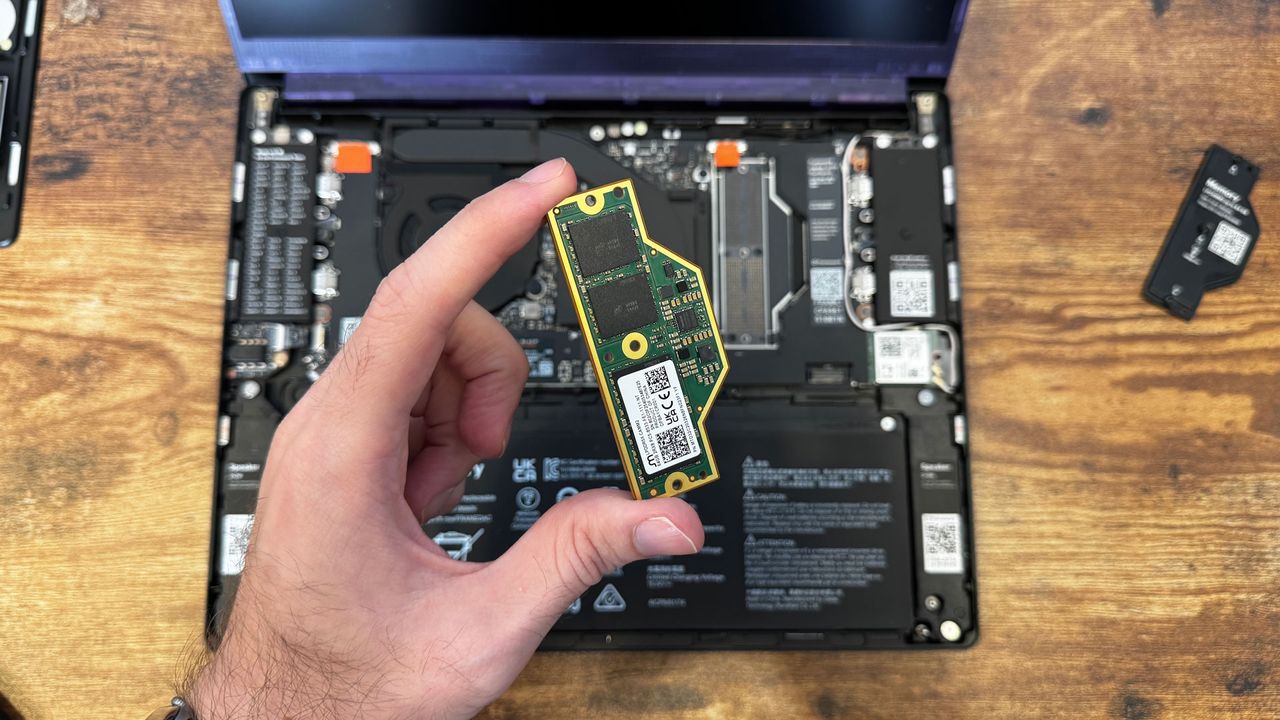
Big tech is now throwing billions at server farms to chase the latest generative hype. From what I can tell, it in the meantime, down in the trenches, independent hardware builders are drowning. If you think about it, A severe memory shortage is reshaping device making, and the fallout is brutal. When 60 percent of a budget phone's bill of materials vanishes into RAM and storage alone, classic economics completely break down.
This isn't just about paying inflated spot market prices anymore. It is about a fundamental lack of physical availability. Major foundries have pivoted their lines toward high-bandwidth memory for server-grade accelerators, leaving the rest of the supply chain scrambling for scraps. Budget laptops and mid-range phones are getting squeezed out entirely. Worse yet, shady brokers are flooding the market with recycled or outright fake chips, forcing small teams to run rigorous diagnostic protocols on every single batch that clears customs.

Look at how resilient builders are adapting. This actually, companies like Jolla are spinning multiple — and this matters — motherboard designs to pivot based on whatever components they can source week to week. Keep, framework leans hard into modularity, letting users salvage old sticks or buy second-hand modules just to machines shipping. These aren't just clever engineering hacks; they are survival strategies born from a deep respect for craft over corporate convenience.
The data centers will eventually get their fill, but the scars on the hardware ecosystem will linger for years. True. When the dust settles, the brands still standing won't be the — or rather, ones hiding behind slick marketing copy. They'll be the scrappy teams who learned how to design defensively. Test ruthlessly — and build machines meant to last in an era of scarcity.









