Cutting the Brutal Costs of Building and Running Visual AI Agents
Visual AI agents look incredible in demos, but wiring them up and feeding tokens to video models gets punishingly expensive. Here is a look at what is actually changing....
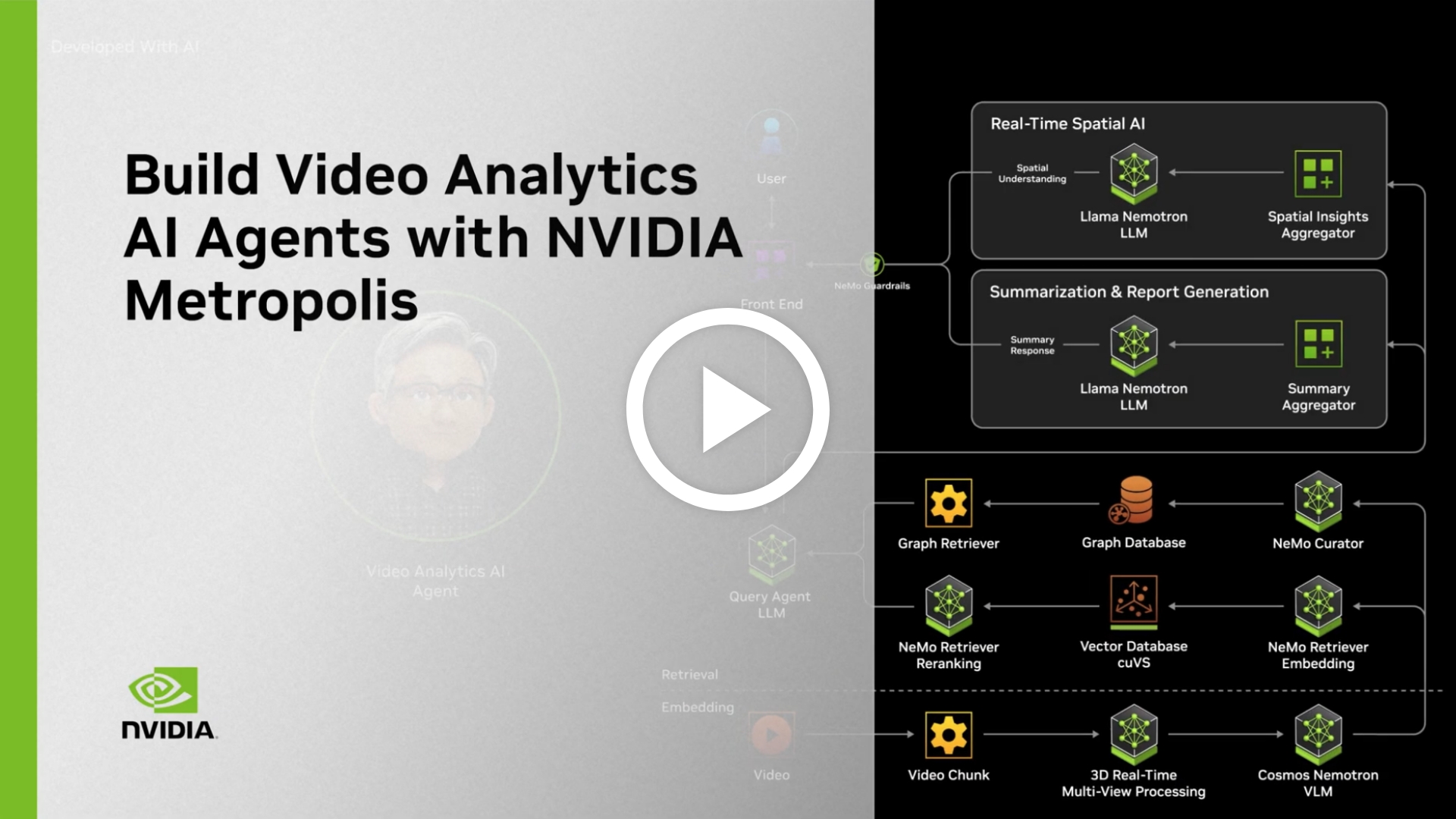
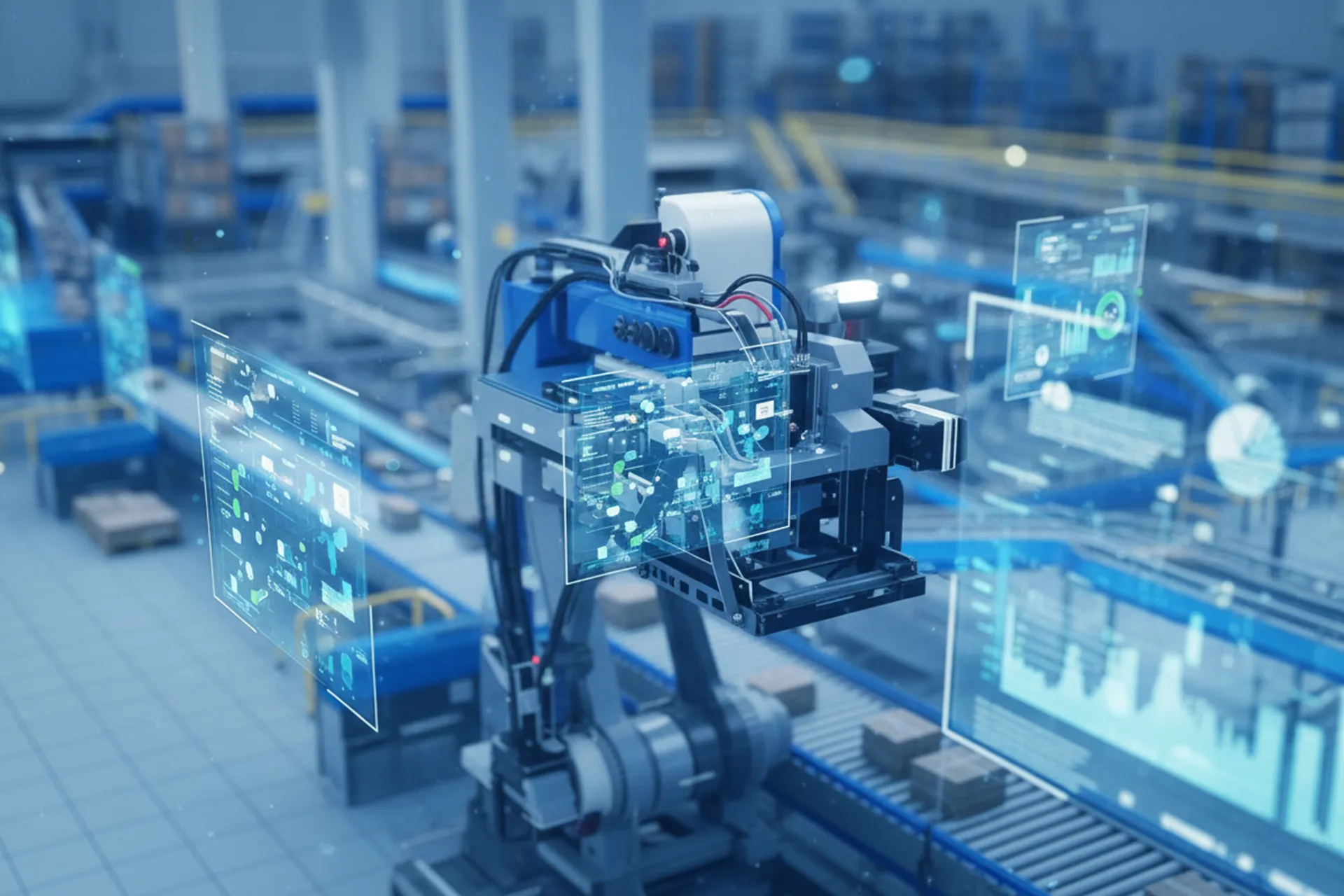
Everyone loves a good video AI demo. Point a model at a live stream, ask it what is happening, and watch it spit out natural language answers. It feels like magic. But if you have ever tried to push a system like that past a toy proof-of-concept into actual production, you know the harsh reality. Building visual AI agents means wrestling with a brutal stack of ingestion pipelines, stream processors, vector databases, and orchestrators. It is messy. It is expensive.
The real bottleneck has always lived in two places: the upfront engineering tax and the relentless runtime cost of feeding massive video feeds into vision-language models. Every extra frame window, every streaming channel — all prompt iteration bleeds GPU memory and racks up token bills. NVIDIA is trying to tackle this head-on with version 3.3 of their Video Search and Summarization Blueprint. They are aiming squarely at both sides of that cost equation. With version 3.3 of their Video Search and Summarization Blueprint. They are aiming squarely at both sides of that cost equation.
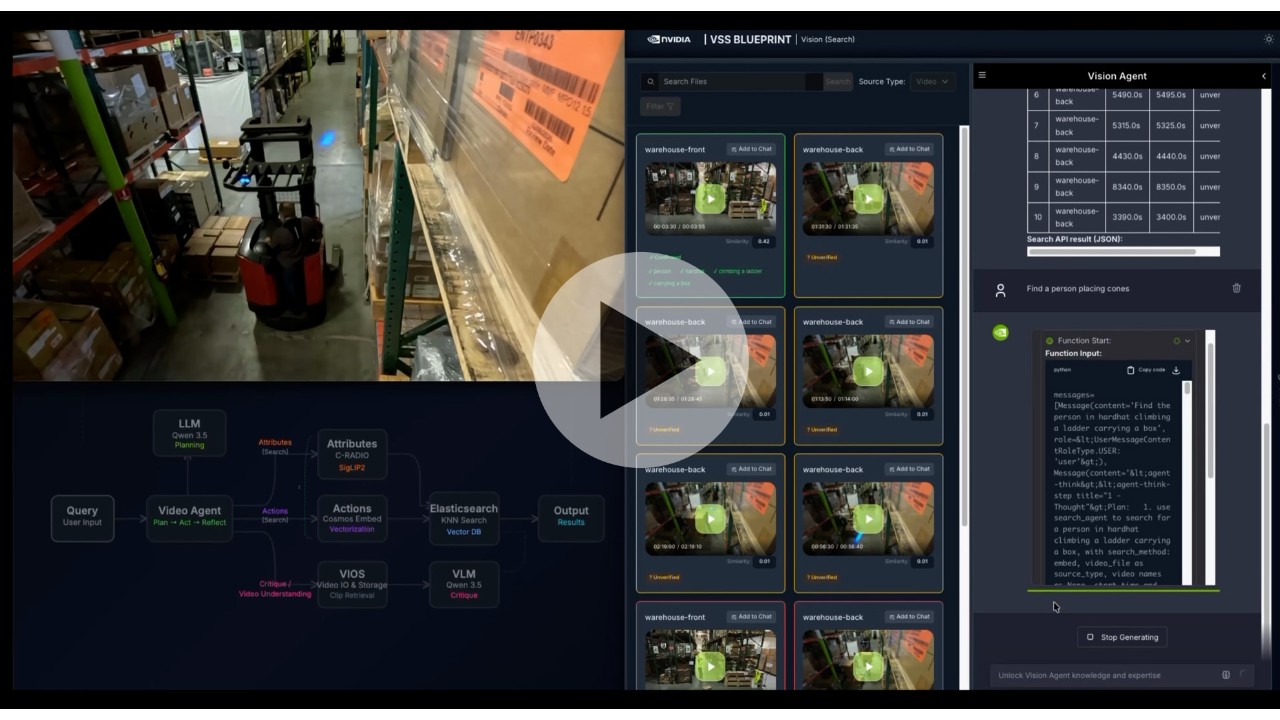
On the growth side, they're leaning into — and this matters. Honestly, coding agent skills that let you spin up complex multi-workflow systems – think alerting, search. This and automated reporting – from a single natural language prompt. Instead of manually stitching together Kafka, Redis and model endpoints for weeks. A decent coding agent can scaffold a working pipeline in under thirty minutes; that (worth noting) completely changes the math for small teams who can't afford months of base plumbing.
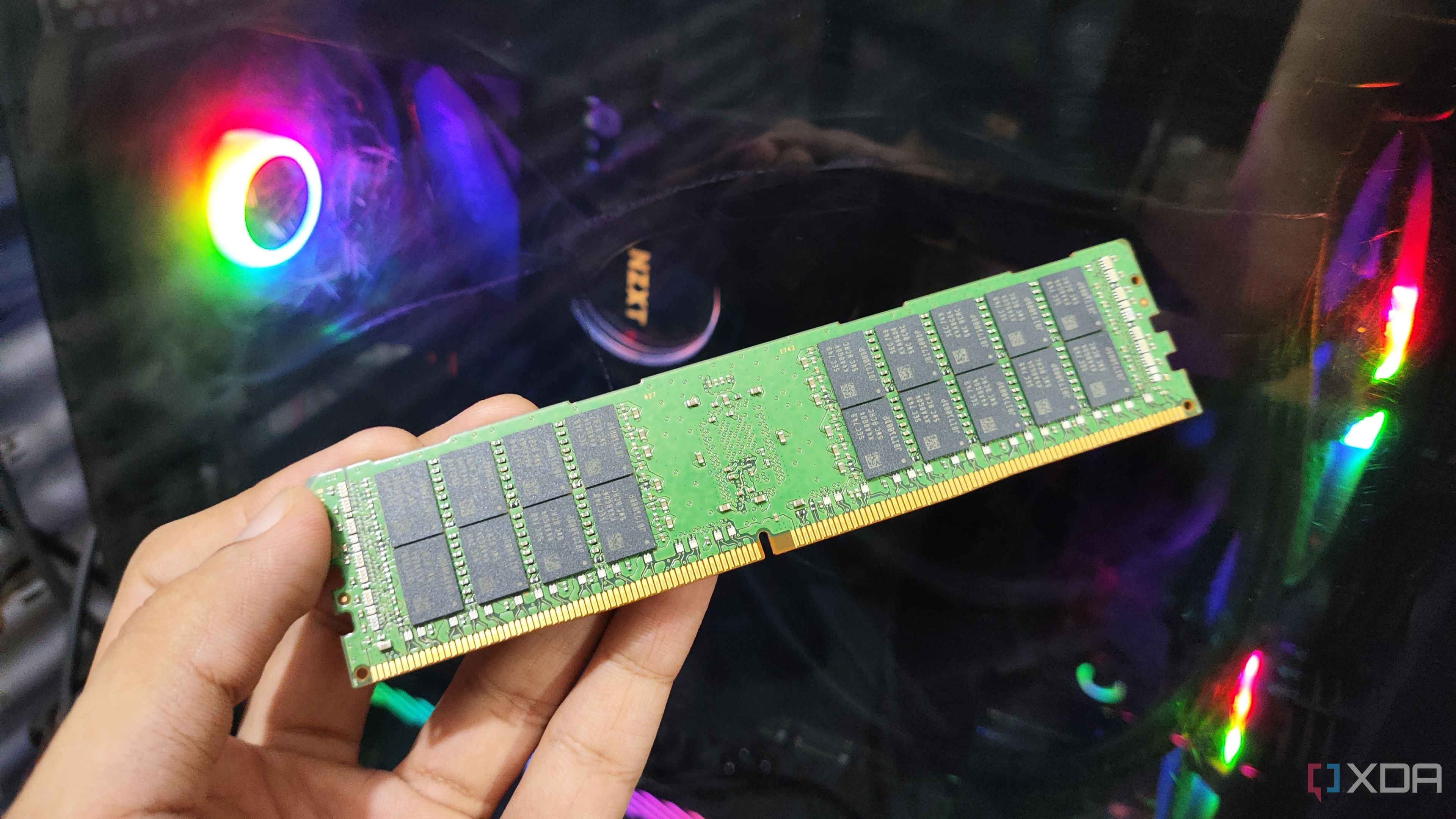
Then comes the runtime nightmare. Video processing chews through tokens like nothing else. To fix this, their latest update introduces adaptive efficient video sampling, which slashes input tokens drastically while managing to cram significantly more concurrent streams onto a single GPU. That is the kind of practical engineering optimization I respect. It is not just about making models bigger; it is about making them sustainable in the real world where margins actually matter.