Cooley, ChatGPT, and the Changing Math of IPO Work
When top-tier law firms start building custom agentic workflows on top of LLMs to handle IPOs, it tells us something profound about how complex knowledge work is actually shifting....
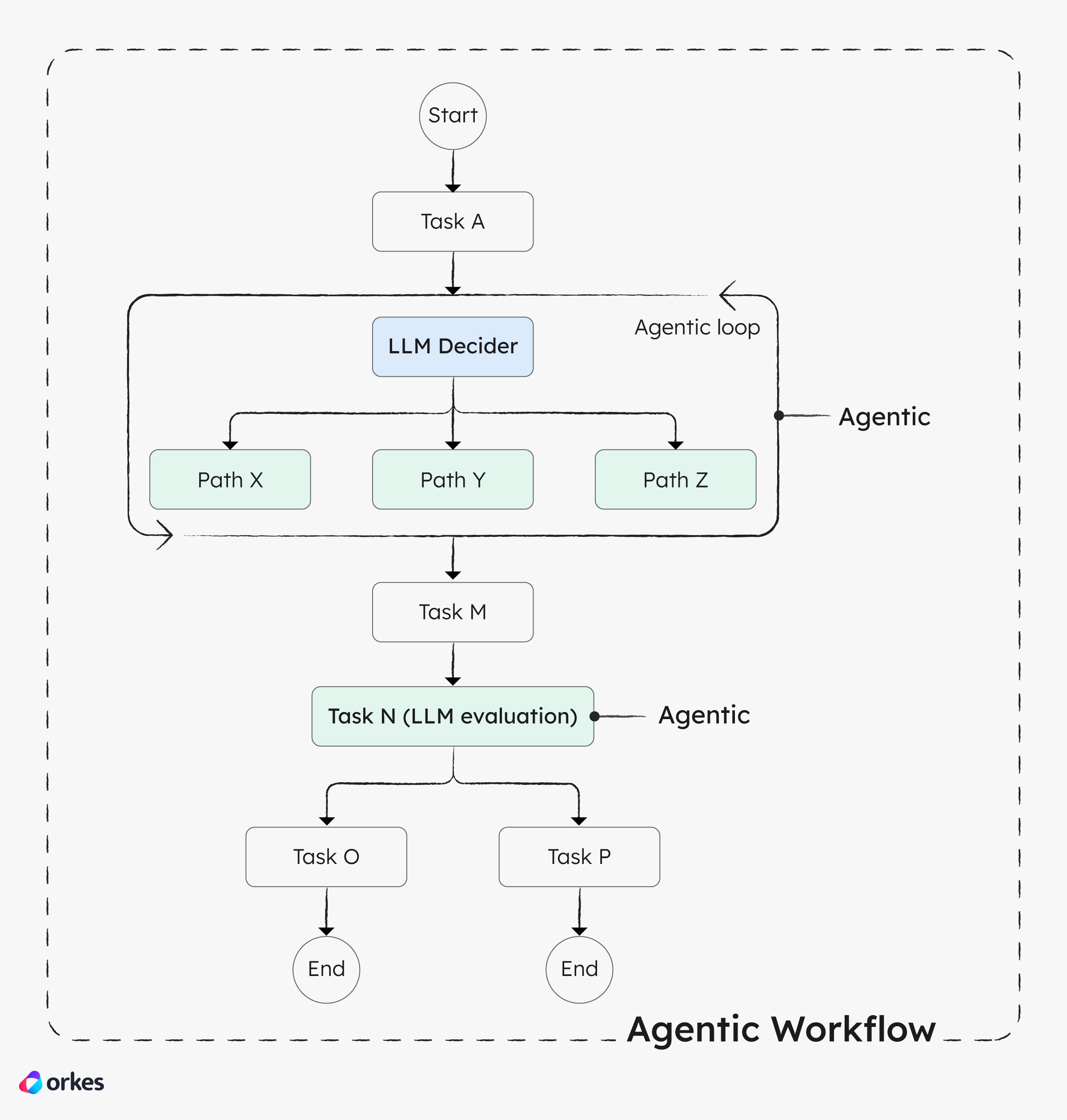
When a heavyweight international law firm like Cooley announces they have built a proprietary agentic use on top of ChatGPT Work to automate pieces of their initial public offering practice, the tech Twitterati usually responds with a predictable chorus of disruption hype. They scream that the lawyers are next, that billable hours are dead, and that robots will soon be drafting S-1s while we sleep. I think that misses the point entirely. If you dig past the press release gloss, what they actually did is much more interesting: they took decades of institutional know-how, encoded it into structured validation loops, and turned a tedious document-scouring grind into a targeted synthesis engine.
Capital markets are absolute monsters of data intake. Thousands of moving pieces, endless compliance checks, and a ticking clock where a single missed precedent can tank a multi-million-dollar valuation. Traditionally, legal teams tackled this by hunting down an old precedent from a similar company, squinting at it, and hacking it apart until it sort of fit the new client. Cooley’s new tool, GO Public, flips that script. Instead of starting with a generic template and working backward toward the client's reality, their system ingests the client's actual data alongside curated market sources to generate a tailored starting point. That is a fundamentally better use of software.
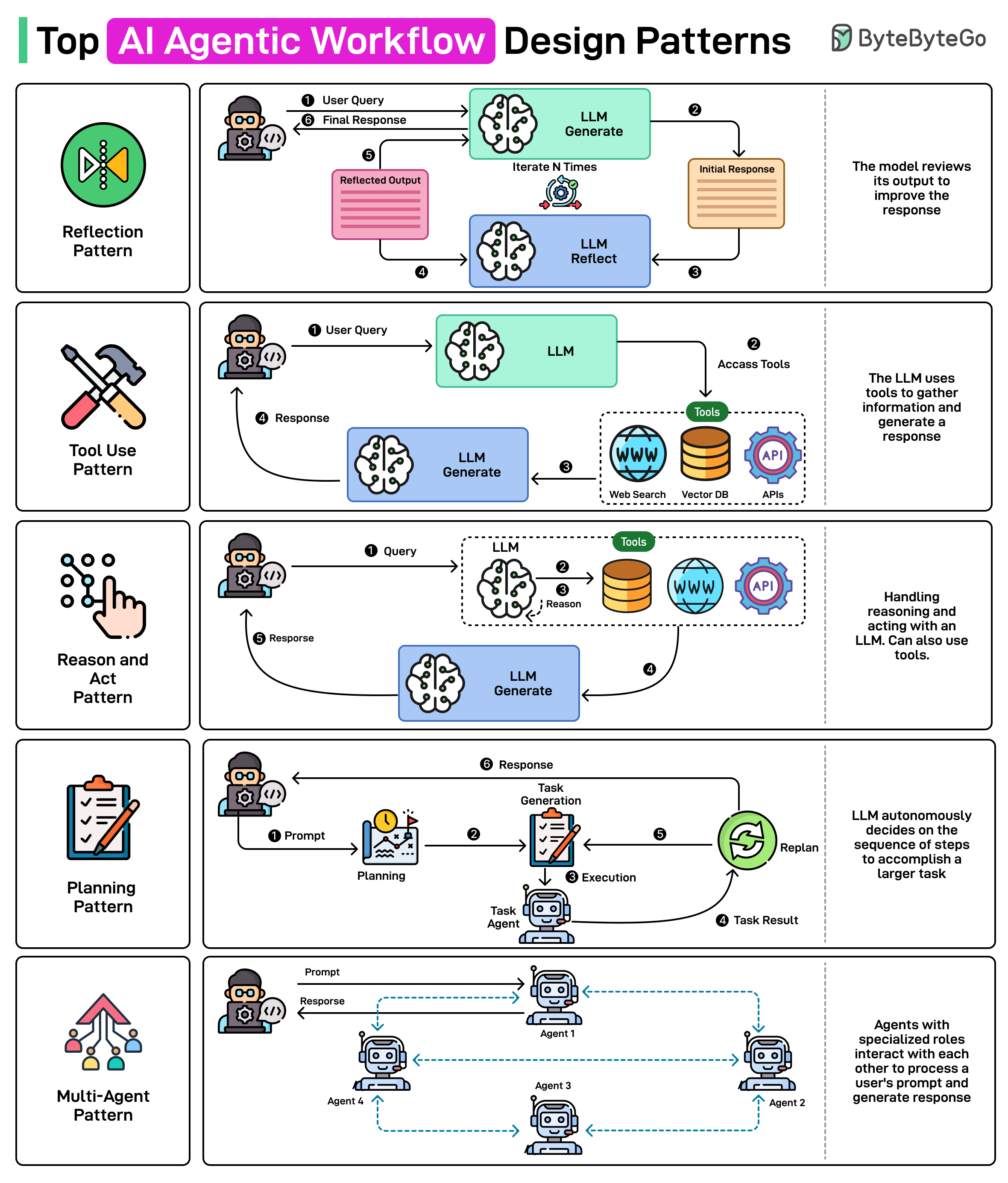
What stands out to me here is the engineering discipline. They didn't just dump a raw API key into a chat window and hope the LLM hallucinated a compliant prospectus. They built a controlled use. They mapped out exact guardrails – specifying which steps the autonomous agents can handle solo and where a human lawyer must step in to validate the logic. This is how you build AI tools for high-stakes environments. You don't aim for full replacement; you aim for merciless use. You let the machine chew through the raw inputs and surface the buried anomalies, freeing the expensive humans to focus on judgment, strategic framing, and actual risk management.
We are watching the quiet normalization of vertical AI integration across legacy industries. The firms that win won't be the ones trying to replace human expertise with prompt engineering, but the ones smart enough to codify their hardest-won processes into software. When craft meets use, everybody wins except the people still relying on manual grunt work.









