How Billions in Export-Restricted Nvidia AI Chips Still Flow Into China
A new investigation reveals the elaborate shell companies, regional integrators, and Southeast Asian drop-shipping networks moving restricted Nvidia silicon into China....
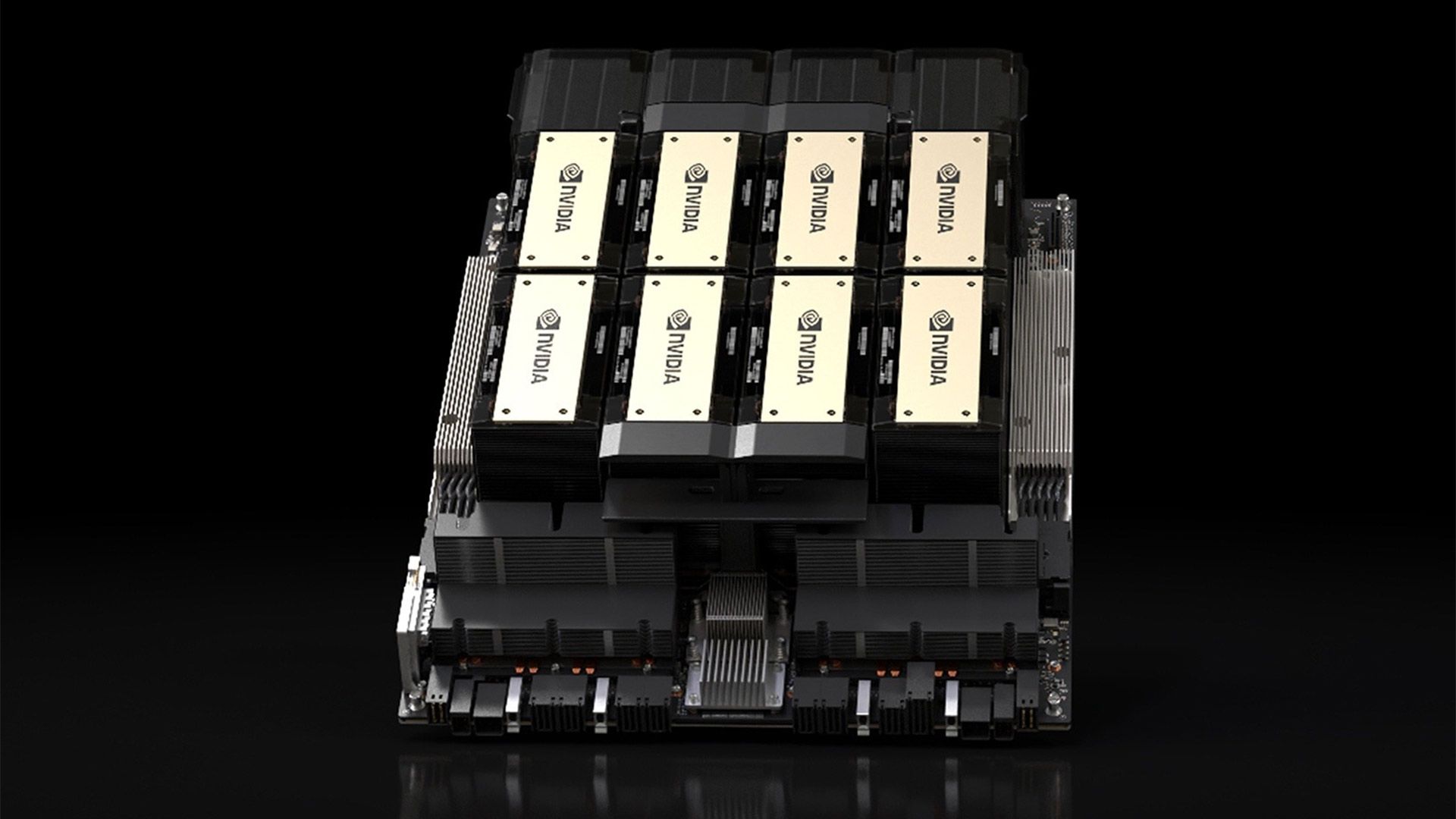
To the absolute surprise of nobody paying – oddly — attention to global hardware supply chains, export controls are leaking like a rusted sieve. This a recent investigative report from C4ADS lays bare the mechanics of how billions of dollars worth of export-restricted Nvidia AI chips routinely bypass international trade sanctions to land squarely in Chinese data centers. We live in a world where geopolitical sabre-rattling makes great television. But the messy reality of universal logistics always finds a way around a piece of paper signed in Washington. But the messy reality of universal logistics always finds a way around a piece of paper signed in Washington — at least for now.
The restrictions themselves are a tangled mess. The United States tries to throttle access to high-end accelerators like the H100 and Blackwell architectures, while Beijing officially discourages reliance on American silicon to build domestic champions like Huawei. Yet, when you look at the ground level, billions in compute power keep changing hands. Estimates suggest that up to a third of China's total AI compute relies on these smuggled GPUs. Why? Because demand for raw, reliable performance ultimately overwhelms ideological posturing, and official enforcement usually looks the other way when tech giants need training clusters.

So how does multi-billion-dollar silicon actually cross borders? The playbook involves a fascinating mix of creative paperwork and geography. First, you have institutional laundering, where restricted Nvidia hardware gets buried inside massive, multi-vendor procurement contracts managed by small regional integrators. Then there is the classic drop-shipping shuffle through Southeast Asian nations like Malaysia and Vietnam, where clean import-export paperwork masks the true destination. Finally, a dazzling array of matryoshka-doll shell companies ensures that tracing the final endpoint of a high-end server rack requires an army of forensic accountants.
Hardware moves because people want it to move, and brilliant engineering minds will always route around artificial constraints if the incentives are high enough. Export bans might slow things down or slap a tax on paranoia. But they rarely stop the flow of vital resources. When craft and capital demand compute, the borders get blurry.