Why Meta and OpenAI Are Building AI Tamagotchis
Silicon Valley giants are rushing to turn LLMs into physical gadgets, but these AI Tamagotchis might just be a terribly expensive distraction....
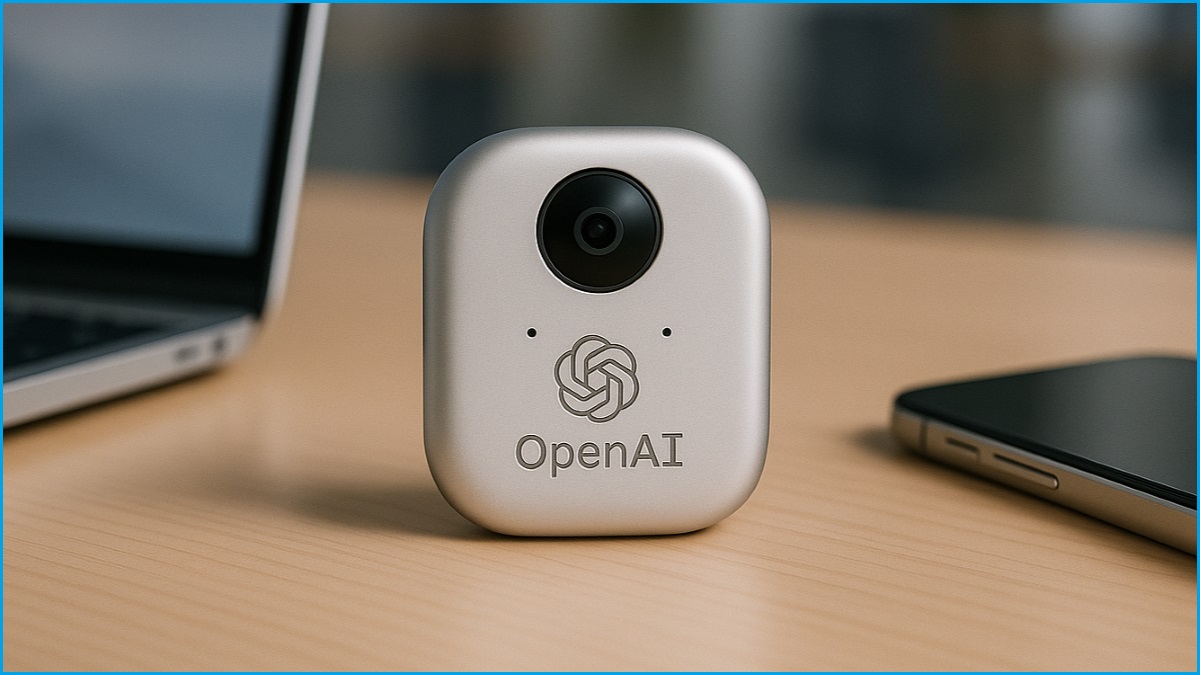
Software is messy. Hardware is brutal. Yet, the biggest names in tech keep trying to force generative models into dedicated pocket-sized gadgets, seemingly forgetting every painful lesson the industry has learned over the last decade. Meta and OpenAI are reportedly gearing up to test our appetite for physical AI hardware by leaning heavily into cutesy software agents, essentially betting that what the world really needs is an AI Tamagotchi.
Let us be entirely honest about this pivot. When phones and laptops already run these models with varying degrees of success, why on earth would anyone carry a separate trinket that does one trick? It smells less like visionary product design and more like desperation. Companies have billions in compute to burn, venture capitalists demand tangible hardware plays, and so we get shiny plastic devices designed to solve a problem that never actually existed for the end user.

Real engineering solves human friction. It builds tools that fade into the background, making complex workflows disappear beneath elegant interfaces and reliable systems. Slapping an always-listening LLM onto a keychain or a lapel pin does the exact opposite. It creates a brand-new dependency, introducing latency, battery anxiety. And privacy headaches into a daily routine running just fine without it.
We will inevitably see a wave of glossy launch events and breathlessly enthusiastic reviews for these novelties. Tech journalists will marvel at the cleverness of the animations and the conversational responsiveness of the tiny glowing screens. But novelty fades fast. Once the initial charm wears off and the battery dies for the third time in an afternoon, those little digital pets will end up in the bottom of a desk drawer, right next to the forgotten smart rings and defunct crypto wallets of yesteryear.









